
The home buying process is a structured approach that individuals often follow when seeking to purchase residential property in the United States. This process typically encompasses several sequential steps, each with unique requirements, documentation, and considerations. Buyers are encouraged to gather information, assess financial capacity, evaluate different property types, and interact with various industry professionals during these stages. While the process may appear linear, it can be influenced by individual circumstances, market conditions, and legal requirements.
Key considerations in the home buying process include evaluating personal financial stability, understanding the types of available properties, arranging suitable financing, and complying with all legal and regulatory steps. Each stage is designed to support informed decision-making, mitigate risks, and facilitate a satisfactory transaction for both buyers and sellers. External factors such as the local housing market, interest rates, and regulatory changes may also impact these steps.
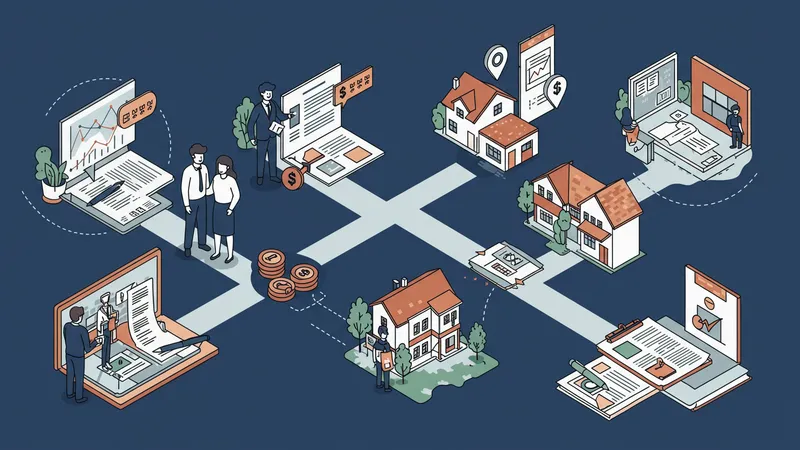
These process components are selected to represent the most commonly referenced and legally significant steps in the U.S. home buying journey; stages may be completed in varying sequences depending on region or specific buyer needs.
Financial preparation is a significant aspect, as lenders often require credit checks, employment verification, and comprehensive documentation. Different mortgage types, such as fixed-rate or adjustable-rate loans, offer various terms that can influence long-term financial commitments. Potential buyers may benefit from understanding these options in advance.
The property search phase can include research into neighborhood trends, school districts, and local amenities. Buyers may also evaluate resale potential or unique home features according to personal preferences. Market trends, like fluctuations in housing inventory or typical selling times, often play a role in shaping buyer decisions.
Legal documentation is crucial during home purchase transactions. Purchase agreements, disclosure forms, and closing statements require careful review to ensure compliance and understanding. Buyers are encouraged to work closely with qualified professionals to navigate contract conditions and local legal requirements.
Closing processes often involve coordination between buyers, sellers, agents, and third-party professionals like title companies and inspectors. The timeline from accepted offer to completed transaction may vary, but final steps generally include funding the mortgage and transferring title. Understanding these logistics can help buyers better anticipate scheduling and costs.
In summary, the home buying process may involve multiple structured steps, each with its own considerations and paperwork. Prospective buyers can approach the process more effectively by remaining aware of financial, legal, and practical components. The next sections examine practical components and considerations in more detail.
Securing a mortgage is a fundamental component of the home buying process. Lenders typically require buyers to demonstrate stable income, a reliable employment history, and acceptable levels of credit risk. Common mortgage options include fixed-rate, adjustable-rate, Federal Housing Administration (FHA), and Veterans Affairs (VA) loans. Each comes with specific eligibility criteria and loan terms that may affect long-term payment obligations and overall affordability.

The mortgage pre-approval stage often involves a credit check, review of financial documents, and assessment of available assets. Documentation required by lenders may include tax returns, pay stubs, and bank statements. Lender criteria may differ, and some buyers may find that qualifying loan amounts and interest rates can change based on current market rates and credit scores.
Interest rates can significantly impact the total cost of a home over the lifetime of a mortgage. Rates may vary according to the loan type, applicant profile, and prevailing economic conditions. Borrowers should be aware that loan terms, including repayment periods and down payment requirements, can influence both monthly payments and long-term costs.
Additional financial considerations include closing costs, mortgage insurance, property taxes, and homeowner’s insurance. These expenses may not be immediately apparent when budgeting for a purchase but can add to the upfront and recurring costs of homeownership. Understanding these practicalities can help buyers anticipate obligations beyond the home’s purchase price, supporting better long-term planning.
Real estate agents play a pivotal role in many home buying transactions. Their responsibilities often include market research, scheduling property tours, and guiding buyers through paperwork. Agents may also offer insights on local market trends, negotiation tactics, and contract reviews, though their level of involvement can depend on client needs and local practices.

Typically, agents are compensated through a commission paid at closing, with rates often falling between 2% and 3% of the purchase price. The commission structure is usually detailed in a buyer-broker agreement or included in listing agreements for listed properties. Transparency regarding fees and services can help ensure that expectations are clearly managed between buyers and agents.
In addition to real estate agents, buyers may engage other professionals during the process, such as inspectors, appraisers, or real estate attorneys (in states where legal representation is customary or required). These experts can contribute by identifying issues, verifying property value, and advising on legal documentation, further supporting informed decision-making.
The value of professional support in the home buying process is often found in their expertise and familiarity with local regulations and transaction logistics. While most buyers choose to work with agents, it remains possible in certain scenarios to proceed without one, although this may increase the need for self-directed research and due diligence.
The property search phase involves evaluating different homes based on location, features, price, and condition. Buyers may view listings on public websites, attend open houses, or request private showings through agents. Factors such as proximity to schools, public transport, and local amenities are commonly prioritized based on individual lifestyles and preferences.

Once a suitable property is found, the offer process begins. Written offers generally include the purchase price, contingencies (such as financing or inspection requirements), and proposed deadlines for acceptance and closing. Both parties may engage in negotiations before reaching an agreement. Offer documents typically become legally binding upon acceptance by all parties.
A home inspection is an essential step for many buyers, aiming to identify potential safety or maintenance issues. Inspections are conducted by licensed professionals, typically costing between $300 and $500 depending on the region and size of the property. Inspection findings can lead to further negotiations, requests for repairs, or even cancellation of the purchase agreement in certain cases.
Buyers who opt for additional assessments, such as radon testing, pest inspections, or sewer line reviews, may incur extra costs but gain further insight into the condition of the property. Inspection outcomes are not guarantees of future property performance, but they provide current condition snapshots that may be factored into final decisions and price arrangements.
The closing phase brings together the legal formalities and financial transactions that complete a home purchase. During this stage, buyers and sellers review and sign a series of documents, including the final purchase agreement, loan documents, and disclosures related to the property’s condition or history. Title companies or attorneys are often involved to ensure the transfer of ownership is conducted according to local law.

Buyers generally need to provide proof of homeowner’s insurance, pay closing costs, and confirm the transfer of funds required for the down payment and other fees. Closing costs can include lender fees, appraisal charges, title insurance, prepaid property taxes, and homeowner association dues if applicable. These costs commonly total 2% to 5% of the home’s purchase price.
Legal considerations during closing include verifying title ownership, ensuring there are no undisclosed liens, and confirming that all purchase contract terms are fulfilled. Problems identified during title searches may delay closing until they are resolved. Buyers may also be required to file certain documents with local government offices following closing.
Upon completion of closing, keys are typically transferred, and buyers officially become property owners. Homeownership responsibilities, such as paying property taxes, maintaining insurance, and adhering to neighborhood regulations, commence upon title transfer. Familiarity with these requirements supports a smoother transition into ownership and greater awareness of ongoing obligations.