
Sustainable construction refers to designing, building, and operating structures in ways that strive to minimize environmental impact, conserve natural resources, and promote the well-being of building occupants. This approach contrasts with traditional methods by prioritizing efficiency in material use, energy consumption, and lifecycle impacts while responding to environmental and societal concerns. Sustainable construction integrates different strategies and technologies aimed at reducing the depletion of non-renewable resources and enhancing indoor and outdoor environmental quality.
Environmental benefits of sustainable construction can include reduced emissions, conservation of water and materials, and improved indoor air quality. Key practices typically involve careful site selection, thoughtful design, use of resource-efficient building materials, and lifecycle assessment frameworks. As the demand for more responsible construction methods grows, both public and private stakeholders may refer to established certifications and guidelines to identify and measure sustainable performance.
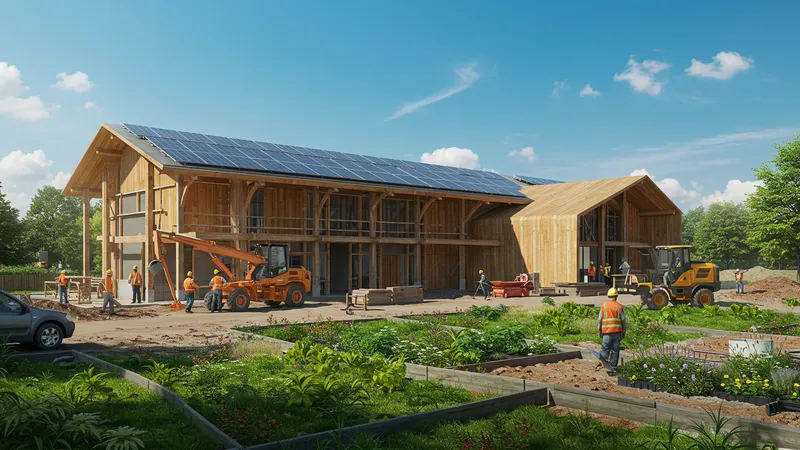
Sustainable construction practices may encompass a range of actions. For instance, using renewable materials such as sustainably harvested timber or recycled metal can reduce extraction pressures on ecosystems. Building orientation and insulation choices often improve energy efficiency and thermal comfort, contributing to reduced utility consumption.
Integrating water-saving technologies—like low-flow fixtures or rainwater harvesting systems—may significantly lessen a structure's water footprint. In addition to benefiting the environment, such features can provide long-term financial savings, depending on usage patterns and regional utility costs.
Lifecycle assessment is central to sustainable construction. This process evaluates the environmental impacts of materials, construction methods, and operations from inception to demolition or reuse. By examining these stages, project teams can select options that typically have lower emissions and waste.
Adoption of recognized certification systems—such as LEED and BREEAM—offers structured pathways for confirming that buildings meet defined sustainability criteria. These systems are based on criteria like resource use, site impact, and indoor environmental quality, allowing project teams to benchmark achievements transparently.
In summary, sustainable construction brings together a variety of methods and measurement systems aimed at reducing environmental impact while supporting occupant well-being. The next sections examine practical components and considerations in more detail.
Sustainable construction methods can be characterized by their focus on resource efficiency and reduced environmental load. One of the primary practices includes the selection of eco-friendly materials, which can involve choosing locally sourced, renewable, or recycled options. This process may help decrease transportation emissions and support markets for environmentally preferable products, while also conserving natural resources.
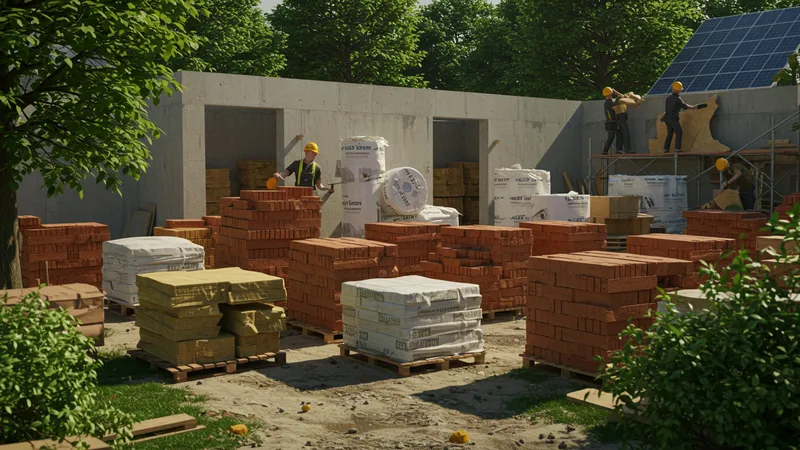
Another critical practice is efficient energy use throughout a building's lifecycle. Strategies such as passive solar design, high-performance insulation, and advanced lighting controls are used to reduce operational energy demand. When combined with renewable energy sources, these choices often contribute to significantly lower emissions from the built environment over time.
Water conservation technologies are also often integrated into sustainable construction strategies. Installing rainwater harvesting systems, greywater recycling, and low-flow plumbing fixtures can typically reduce potable water use and the demand on municipal supplies. These features may become increasingly valuable in areas facing water scarcity or high utility costs.
Waste reduction is a further priority within sustainable construction. This may involve modular construction techniques, prefabrication, or on-site recycling of construction debris. Such approaches are designed to minimize materials sent to landfill and can contribute to more predictable project timelines and costs.
Sustainable construction practices are generally associated with a range of environmental benefits. Reduced greenhouse gas emissions are a frequently cited advantage, as buildings constructed according to green standards often consume less energy for heating, cooling, and ventilation. Over time, this may contribute to some reduction in the overall carbon footprint of the built environment.
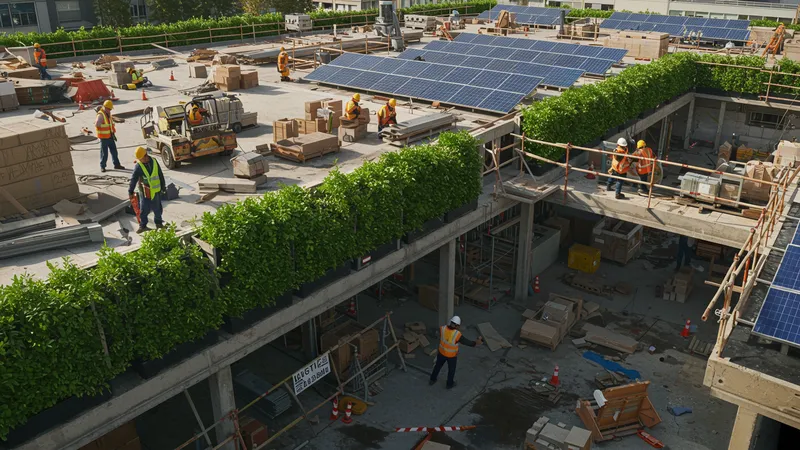
Material conservation is another important outcome of sustainable construction. By utilizing recycled, reclaimed, or sustainably sourced materials, construction teams may help lower the demand for virgin resources and reduce the impacts of extraction on ecosystems. These practices are often encouraged by certification frameworks like LEED and BREEAM.
Improvements in indoor air quality can be realized through the use of non-toxic finishes, efficient ventilation systems, and careful specification of building products. Enhanced air quality may contribute to occupant comfort and productivity, offering benefits particularly valued in settings like schools and offices.
Water management practices included in sustainable construction can lead to reduced stormwater runoff and lower loads on municipal wastewater systems. Techniques such as green roofs, permeable paving, and bioswales may be implemented to mitigate local flooding risks and support urban biodiversity.
Certification systems like LEED, BREEAM, and the Living Building Challenge provide established criteria for assessing and verifying sustainable construction practices. These frameworks are based on measurable standards covering areas such as energy performance, water management, site stewardship, materials, and indoor environmental quality.
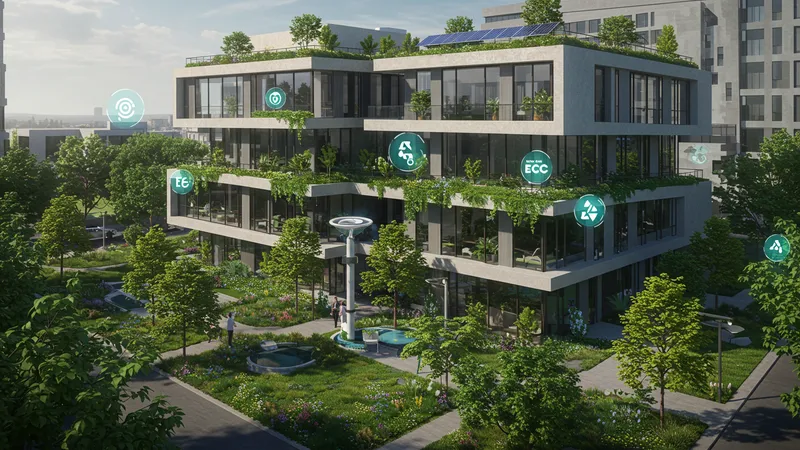
Projects pursuing certification typically begin by registering with the system's governing body. They then implement various measures to meet predefined thresholds, which may differ by project type and geographic context. Independent third-party assessors often perform reviews and site visits as part of the verification process.
Achieving certification may offer a way for building owners and developers to demonstrate environmental responsibility. These distinctions are increasingly sought by organizations aiming to align with climate goals, respond to policy requirements, or meet stakeholder expectations for transparency.
It is important to note that costs and complexities associated with certification can vary widely depending on project size, scope, and location. Upfront fees, documentation requirements, and consultant involvement should all be considered when evaluating the feasibility of a particular certification pathway.
Despite the expanding adoption of sustainable construction, several challenges remain. Initial costs, although variable, are sometimes perceived as higher than those of conventional construction. However, proponents of green building note that operating cost reductions and improved occupant well-being may offset these investments over time, depending on regional utility prices and policy incentives.

Another consideration is the need for specialized knowledge among architects, engineers, and builders. As systems and materials continue to advance, ongoing education and collaboration across disciplines can typically help ensure that projects meet sustainability goals. Professional development focused on new technologies and regulations may become increasingly important.
Policy and regulatory frameworks evolve as awareness of environmental impacts grows. Incentives, building codes, and market expectations can all drive ongoing uptake of sustainable construction practices. Changes in standards or performance metrics may require periodic re-evaluation of chosen approaches in line with emerging best practices and stakeholder requirements.
Looking ahead, sustainable construction may continue to evolve by integrating circular economy concepts, flexible building use strategies, and digital management technologies. As buildings account for a significant portion of global resource consumption, continued innovation in this sector will likely remain central to long-term environmental and societal well-being.