
Home energy upgrades in Canada refer to improvements or modifications made to residential properties with the intent of reducing energy consumption and increasing efficiency. Various governmental and utility-sponsored rebate programs may be available to encourage homeowners to invest in such upgrades. These initiatives are designed to offset a portion of upfront costs for projects ranging from insulation improvements to installation of high-efficiency equipment. Eligibility criteria typically depend on location, property type, and the scope of work undertaken.
Rebates for home energy upgrades in Canada usually target measures that can demonstrably lower energy use or greenhouse gas emissions. Homeowners may need to undergo energy assessments both before and after work is completed to document improvements. Funding levels and eligible measures vary by province and program, but common upgrades may include efficient appliances, insulation, windows, heat pumps, and smart thermostats. These rebate programs strive to make energy-saving upgrades more accessible to a wider range of Canadians, especially as energy standards evolve.
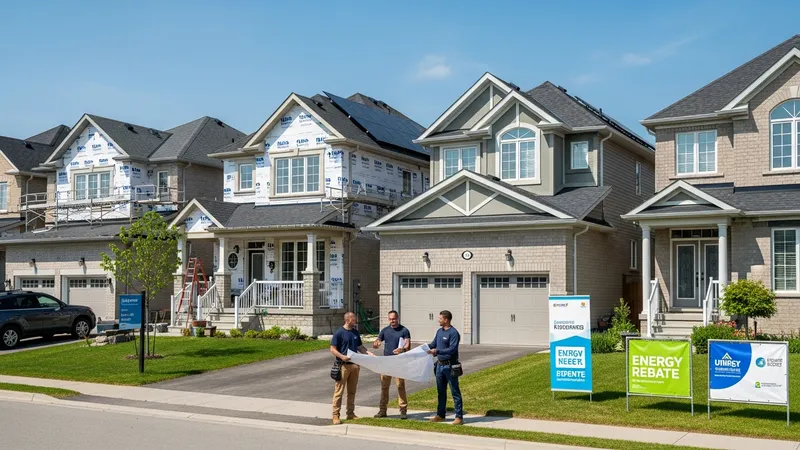
The primary aim of these rebate programs is to reduce overall energy consumption in Canadian homes. By encouraging property owners to invest in energy-saving improvements, governments and utilities can help lower demand on local infrastructure and potentially reduce greenhouse gas emissions. These rebate initiatives often focus on technologies and materials demonstrated to deliver measurable efficiency gains.
Some programs, such as the Canada Greener Homes Grant, require an energy assessment by a certified evaluator before any work begins. This assessment provides homeowners with a report on their property’s energy performance and identifies specific areas for improvement. Post-upgrade evaluations are also commonly required to verify completed work and ensure eligibility for final funding disbursements. Energy advisors may help clarify which upgrades typically deliver the best energy results according to building type and region.
The cost to the homeowner varies significantly depending on the scope of the eligible upgrade, program terms, and available funding. For example, installing a heat pump may involve an upfront investment of several thousand dollars, though rebates may offset a portion of this expense. Programs in regions such as Ontario and Alberta sometimes provide products or services free of charge for qualifying low-income households.
Homeowners considering energy efficiency upgrades can expect to benefit in several ways. In addition to potential utility bill reductions and improved comfort, participating in a rebate program may increase property value and enhance indoor environmental quality. However, it is important to review local program requirements, as funding levels and eligibility can change over time. Participation is generally voluntary and subject to program guidelines.
In summary, rebate programs for home energy upgrades in Canada provide structured, transparent pathways to encourage efficient residential retrofits. The next sections examine practical components and considerations in more detail.
Rebate programs in Canada typically support a range of eligible home energy upgrades. Insulation improvements, such as attic or wall insulation, are widely recognized for their contribution to reducing heat loss. Window and door replacements using ENERGY STAR®-certified products may be included to minimize drafts and improve thermal performance. Heating and cooling system upgrades, such as the installation of cold-climate air-source heat pumps or high-efficiency furnaces, are also commonly eligible.
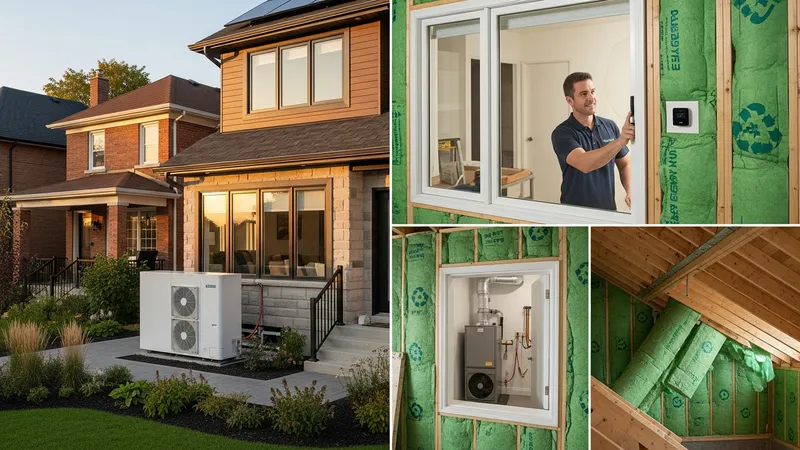
Additional measures often supported by rebate programs can include smart thermostat installation, high-efficiency water heaters, and select ventilation improvements. Some initiatives may address renewable energy installations, like solar panels, though funding for these technologies can be more limited or region-specific. The variety of eligible upgrades reflects a focus on both reducing energy consumption and improving home comfort across Canada’s diverse climates and building stocks.
To qualify for rebates, most programs require that any products or equipment installed meet minimum efficiency ratings. For example, heat pumps and windows must usually be certified under recognized standards to ensure genuine efficiency gains. In some cases, homeowners are responsible for selecting approved contractors or suppliers experienced with rebate-compliant installations. Program websites typically maintain lists of certified products and participating service providers to guide informed decision-making.
The breadth of upgrades included in rebate programs allows homeowners to tailor retrofits to their specific needs and budgets. While insulation and heating improvements are often prioritized for their impact, many Canadians also benefit from multi-measure projects that address several aspects of the home. This holistic approach can further increase the likelihood of noticeable energy savings over time.
Eligibility criteria for home energy upgrade rebates in Canada are generally structured to ensure that funding supports genuine energy improvements and equitable access. Most programs require that the property be a primary residence, though some may allow secondary homes or multi-unit buildings. In addition, homeowners are commonly asked to provide proof of ownership and residence within the program’s geographic area.

Income-based eligibility is a feature of certain provincial initiatives, such as the Save on Energy Home Assistance Program. These programs aim to support low-to-moderate income households by offering enhanced incentives or free services. Documentation such as tax returns or social assistance records may be requested during the application process to verify eligibility. National and some provincial rebates, however, are broadly open to a wide range of homeowners regardless of income.
Technical steps, such as pre- and post-upgrade home energy assessments, are integral to the verification process. Certified energy advisors must typically conduct these assessments to document baseline energy usage and measure improvements after completion. Upgrades must be completed by licensed professionals in accordance with program specifications. Self-installation is often not permitted for most high-value measures.
Program application processes can also include timelines for completing and submitting documentation. For example, participants may have to finish all work within a certain number of months after the initial energy assessment. Homeowners are encouraged to carefully review each initiative’s full requirements to determine which upgrades and timelines apply to their particular property and region.
The investment required for home energy upgrades in Canada varies widely, influenced by project complexity, regional labour costs, and equipment selection. Programs like the Canada Greener Homes Grant often provide up to $5,000 in funding, but total project costs may significantly exceed rebate amounts, especially for comprehensive retrofits. For instance, the average installation cost for a cold-climate air-source heat pump can range from $8,000 to $15,000 before rebates, depending on system size and home needs.
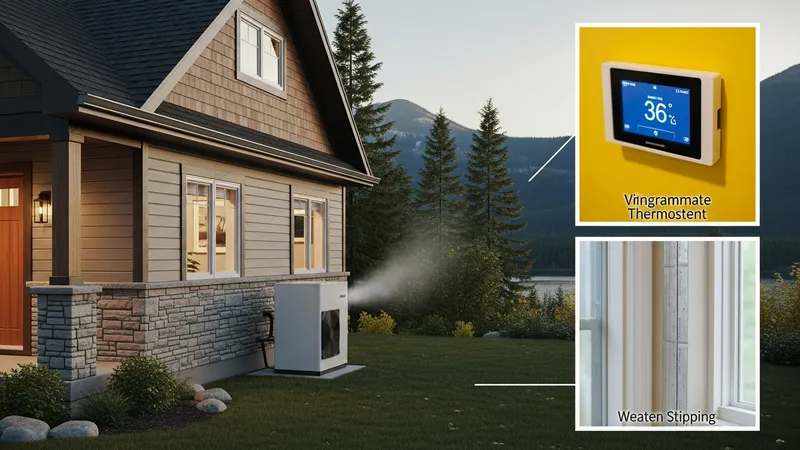
For lower-cost items, such as programmable thermostats or weather stripping, rebates may cover a substantial portion of expenses or even result in no-cost upgrades for qualifying participants. Insulation projects typically cost between $2,000 and $5,000, with rebate values offsetting a portion of the expenditure. Regional programs or utility initiatives sometimes provide additional incentives that can be stacked with federal programs, but these offerings are subject to budget availability and program periods.
It is important for homeowners to obtain detailed estimates from qualified contractors and confirm rebate eligibility before initiating work. Many rebate programs require approval before purchase or installation to ensure the eligibility of specific equipment and suppliers. Keeping accurate records of completed work, product specifications, and receipts is essential for a smooth reimbursement process.
Cost-benefit analysis is often part of the home energy assessment process. Advisors may offer insights on payback periods and estimated annual savings based on the specific improvements undertaken. While upfront investment remains a key consideration, many Canadian homeowners consider rebates an effective way to make efficiency enhancements more financially manageable over the longer term.
Homeowners participating in rebate-supported energy upgrades in Canada frequently cite various potential benefits. Lowered energy consumption may lead to reduced utility bills, especially in regions with pronounced heating or cooling needs. Comfort is another often-reported outcome, as improved insulation and advanced heating systems help manage indoor temperatures and draft reduction.

Reduced energy demand can also contribute to broader environmental objectives. Rebates encourage the use of advanced materials and technologies that may lower greenhouse gas emissions associated with home heating, cooling, and electricity use. These programs are typically aligned with provincial and national sustainability goals and can play a role in achieving energy transition targets.
The impacts of home energy upgrade rebates extend to local economies through increased demand for skilled trades and professional energy advisors. The need for qualified contractors and auditors can support workforce development and the adoption of high-efficiency building practices. Additionally, homeowners often discover that energy assessments bring greater awareness of ongoing maintenance and retrofit needs, supporting more informed decision-making.
In the long term, rebate programs may help standardize higher-performance housing stock and improve the overall resilience of residential infrastructure. While outcomes may vary based on upgrade type and homeowner engagement, the continued existence and evolution of energy retrofit rebates suggest they remain an important element of Canada’s approach to residential energy efficiency.