
Advanced medical care and surgery in the United States refers to the integration of sophisticated diagnostic, therapeutic, and surgical technologies within the healthcare system. This approach typically involves utilizing highly trained healthcare professionals, state-of-the-art equipment, and evidence-informed protocols to address complex patient needs. Advanced procedures range from minimally invasive surgeries to specialized interventions for severe or rare conditions. The implementation of these medical strategies can offer tailored care plans designed to support improved patient outcomes in various clinical scenarios.
Broadly, advanced medical care and surgery emphasizes interprofessional collaboration and patient-centered planning. Facilities in the United States often invest in research and continuous training to deliver these services, which may include robotic-assisted operations, specialized imaging, and targeted therapies. The process may begin with comprehensive diagnostics, followed by multidisciplinary evaluation, and end with post-procedure monitoring. Accessibility and the scope of advanced care can vary depending on available resources, insurance coverage, and institutional capabilities.
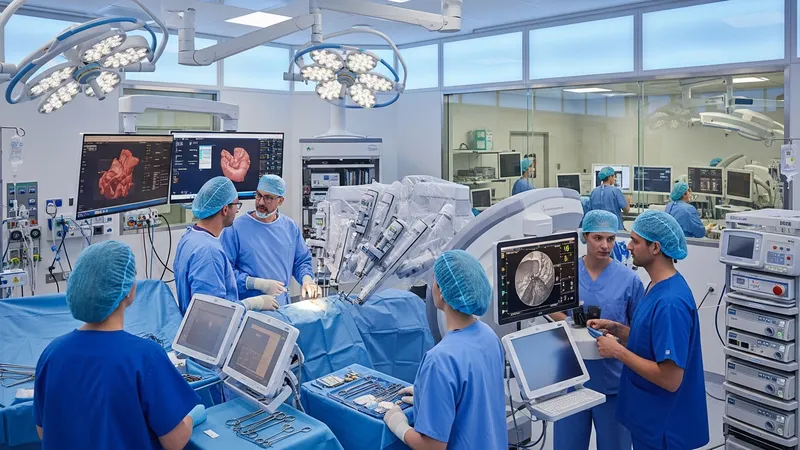
Robotic-assisted surgery is a prominent example of advanced surgical care, employing robotic arms controlled by surgeons for more precise manipulations. This may lead to reduced incision size, potentially shorter recovery times, and lower intraoperative risks in some cases. However, suitability and outcomes can vary, and these procedures generally require substantial investment in both equipment and training within healthcare institutions in the United States.
Precision medicine in oncology represents a shift toward customizing treatment plans based on a patient’s genetic and molecular profile. This strategy may allow clinicians to match therapies more closely with tumor characteristics, and ongoing research seeks to clarify the most effective use cases. While these technologies offer promising avenues, they also involve significant costs and may not be available at every facility.
Minimally invasive cardiac procedures, such as TAVR, aim to treat heart valve or vascular conditions with smaller incisions and reduced recovery periods. Availability and candidacy for such procedures may depend on complex medical evaluations, patient preference, and institutional policies. Cost considerations typically include facility fees, specialist charges, and the use of advanced consumables.
These examples highlight how advanced medical care and surgery in the United States combine technology, interdisciplinary expertise, and individualized planning. Some approaches may offer potential for reduced recovery times or improved patient experience, but outcomes are influenced by many factors, including provider experience and patient health status.
In summary, advanced medical care and surgery encompass a broad range of procedures and interventions designed to address complex health needs. The following sections will examine the practical aspects of patient access, procedural planning, cost considerations, and ongoing care in the context of advanced surgical approaches in the United States.
Patient selection for advanced medical care and surgery in the United States typically involves comprehensive evaluation by multidisciplinary teams. Assessment may include clinical history review, advanced imaging, laboratory testing, and risk stratification. Surgeons, anesthesiologists, and specialty consultants collaborate to identify candidates who could benefit from particular procedures, such as robotic-assisted surgery or minimally invasive cardiac interventions. These decisions aim to balance risks and benefits based on individual health status, comorbidities, and procedural objectives.
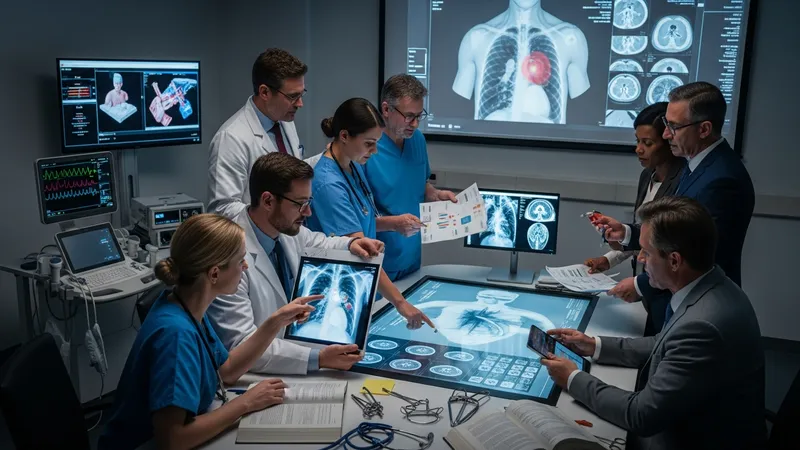
Planning advanced surgical care often requires coordination among surgeons, nurses, technologists, and support staff. Preoperative conferences can help outline procedural steps, equipment needs, and contingency strategies. Details such as anesthesia planning, intraoperative monitoring, and post-procedure care protocols are determined in advance to promote efficiency and patient safety. In many institutions, advanced technology checklists and simulation training assist providers in preparing for complex operations.
Access to these specialized procedures may depend on factors including health insurance coverage, geographic proximity to advanced care centers, and institutional capacity. In the United States, larger academic centers or dedicated specialty hospitals are more likely to offer the full spectrum of advanced operative techniques. Efforts to expand access sometimes involve regional referral networks or telemedicine pre-assessments, though availability can still vary by location and healthcare system.
The planning process also addresses informed consent and patient education. Healthcare providers in the United States generally discuss alternative treatment options, expected outcomes, risks, and financial aspects. This supports patients and families in making well-informed decisions about pursuing advanced surgical care, ensuring that expectations are realistic in light of current medical evidence and technology capabilities.
Technological advancement plays a pivotal role in the evolution of surgical care in the United States. Robotic-assisted technologies, for example, combine surgical skill with computer guidance, often enhancing visualization and dexterity for surgeons. Operating room integration with imaging modalities such as intraoperative MRI or real-time fluoroscopy may improve accuracy and facilitate intraoperative decision-making. Adoption requires specialized training and ongoing quality monitoring to optimize procedural effectiveness and safety.

Minimally invasive techniques, increasingly common across multiple specialties, utilize small incisions and specialized instruments. These methods may aim to reduce tissue disruption, shorten hospitalization, and decrease postoperative pain. Examples in the United States include laparoscopic cholecystectomy, video-assisted thoracoscopic surgery, and endovascular aneurysm repairs. While benefits are widely discussed, selection criteria and risk assessments remain essential to ensuring appropriateness for each patient.
Precision medicine as applied to oncology and some chronic diseases involves next-generation sequencing, molecular diagnostics, and targeted therapies. In the United States, implementation can vary depending on available laboratory resources, provider training, and insurance reimbursements. Ongoing research seeks to clarify clinical benefits, long-term outcomes, and cost-effectiveness of integrating precision techniques into standard care pathways.
Continuous innovation in cardiovascular interventions, such as minimally invasive valve replacements and structural heart repairs, reflects collaboration between biomedical engineers and clinical specialists. United States hospitals frequently participate in clinical trials and technology assessments to understand the potential advantages and limitations of newer devices. Regulatory oversight is provided by organizations such as the U.S. Food & Drug Administration to support patient safety and procedural standardization.
Advanced surgical and medical care in the United States may lead to various benefits, including the potential for reduced inpatient stays, faster recovery, and more tailored treatment paths. For example, patients undergoing minimally invasive cardiac procedures could experience less postoperative discomfort compared to traditional open surgeries. Such benefits often depend on individualized patient factors, meticulous surgical planning, and the availability of multidisciplinary post-procedure support.
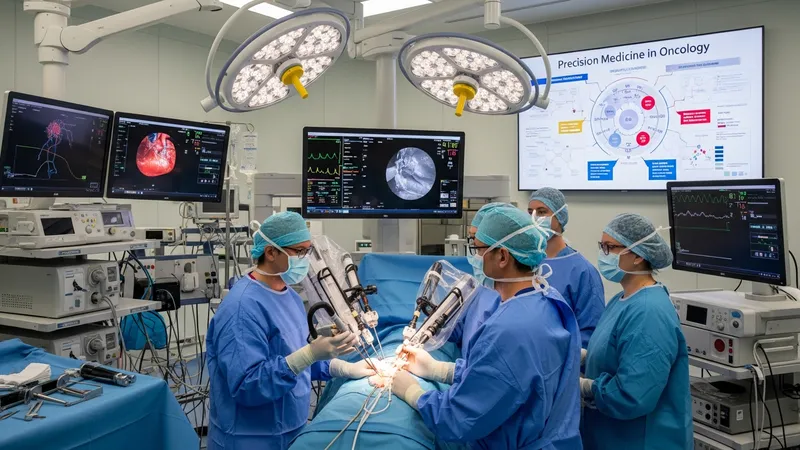
Precision medicine offers the prospect of more targeted therapies, particularly in oncology, where molecular diagnostics can influence drug selection and monitoring approaches. While these strategies suggest improved outcomes for selected populations, they also present uncertainties related to cost, equitable access, and long-term health impacts. Ensuring broad and appropriate application remains a prominent topic in United States healthcare policy and clinical research.
Challenges to widespread adoption of advanced medical care and surgery may include the significant financial investment required for technology acquisition, staff training, and maintenance. Institutions in the United States generally weigh these costs against clinical goals and patient volumes. Reimbursement structures, especially for newer therapies, may lag behind innovations, influencing provider adoption and patient access.
Ethical and regulatory considerations are also central to patient care delivery. Healthcare teams must navigate issues such as informed consent, equity in access, and data privacy when deploying advanced technologies. Professional societies in the United States provide guidelines to address these topics and to ensure that care aligns with ethical norms and regulatory frameworks, fostering patient trust and safety.
The financial aspects of advanced medical care and surgery in the United States can be significant, with procedure costs generally influenced by technology, provider expertise, and institutional factors. For instance, robotic-assisted operations and minimally invasive cardiac procedures may involve charges ranging from tens of thousands to over one hundred thousand dollars, depending on case complexity and facility type. Insurance coverage varies, and out-of-pocket expenses for patients are influenced by plan details and deductibles.

Ongoing developments in the field focus on expanding access and improving efficiency. Healthcare providers, policymakers, and manufacturers work collaboratively to develop new models of care that may lower procedural costs while maintaining quality and safety standards. Research initiatives investigate cost-effectiveness, novel payment models, and patient-reported outcomes to support informed decision-making in the United States healthcare environment.
Technological advances continue to drive innovation, with novel devices, artificial intelligence, and integrated digital health tools under exploration. Hospitals and academic centers in the United States often participate in clinical trials and pilot programs designed to assess real-world impacts of advanced procedures. Quality monitoring and outcome reporting systems help institutions track performance metrics, facilitating continuous improvement.
In conclusion, advanced medical care and surgery in the United States represent a rapidly evolving field characterized by technological sophistication, multidisciplinary expertise, and variable cost structures. While these procedures offer significant potential, careful planning, transparent communication, and ongoing evaluation are key to ensuring that benefits are realized across diverse patient populations.