
Private clinics and specialist surgery centers are healthcare facilities in the United States that operate independently from the publicly funded or hospital-based systems. These clinics are often managed by physicians or health organizations and focus on delivering outpatient consultations, diagnostic procedures, and surgeries that do not typically require prolonged hospitalization. Specialist surgeries performed in such settings frequently include orthopedic, cosmetic, urological, and minor general procedures, often catering to individuals seeking more personalized care or more rapid scheduling than may be available in large hospitals.
The use of private clinics and specialist surgery centers may offer a wider range of consultation and elective treatment options. These facilities generally function with direct out-of-pocket payments, private health insurance, or employer-sponsored plans. Individuals may seek these services for reasons including shorter wait times, increased privacy, or preferences for certain surgeons or techniques. While all clinics must comply with national and state-level health regulations, their administrative and payment structures can differ significantly from public hospital systems.

Private clinics and specialist surgery centers in the United States often provide a streamlined patient experience, where individuals may have direct access to subspecialty care through referral or self-scheduling, depending on insurance. Many patients pursue this route for elective procedures such as orthopedic, cosmetic, or minimally invasive interventions, which may be scheduled more rapidly compared to typical hospital systems. Additionally, these clinics often support post-operative care and follow-up in the same setting, which can contribute to continuity of care.
One distinguishing aspect of private clinics is the varied payment structures. While public hospitals typically process patients with government insurance (e.g., Medicare/Medicaid), private clinics can handle a mix of private insurance, employer coverage, and self-pay models. Costs for specialist consultations and surgeries can differ widely; for example, cosmetic procedures, often not covered by insurance, may have higher out-of-pocket costs, while medically necessary surgeries may involve copayments or high deductibles based on individual insurance plans.
Regulation and accreditation are also requirements for private surgical centers in the United States. To operate, these centers generally must be licensed with the state and certified by relevant agencies such as the Centers for Medicare & Medicaid Services (CMS) or accredited by organizations like The Joint Commission. These safeguards aim to ensure patient safety, infection control, and quality of care comparable to that found in hospital settings.
The popularity of private clinics has led to significant growth in the number and variety of specialist surgery centers across the country. These facilities often attract clinicians with subspecialty expertise and may invest in advanced technology for diagnostic imaging or minimally invasive surgery. Such resources can enhance clinical options for patients with specific medical or procedural preferences and may influence treatment timelines.
In summary, private clinics and specialist surgery centers offer a distinctive model for healthcare delivery in the United States. By focusing on outpatient consultations and surgeries, these facilities can provide access to specialized services, streamlined scheduling, and personalized care. The next sections examine practical components and considerations in more detail.
Private clinics and specialist surgery centers in the United States often tailor their offerings to address specific needs and preferences of the population. Procedures commonly performed include same-day surgeries such as joint arthroscopy, cataract removal, or various types of cosmetic surgery. Many clinics concentrate on areas like orthopedics, urology, dermatology, and ophthalmology, and some overlap with specialties such as gastroenterology and pain management. The scope of services may be influenced by local demand, available equipment, and the board-certified specialties of clinic staff.
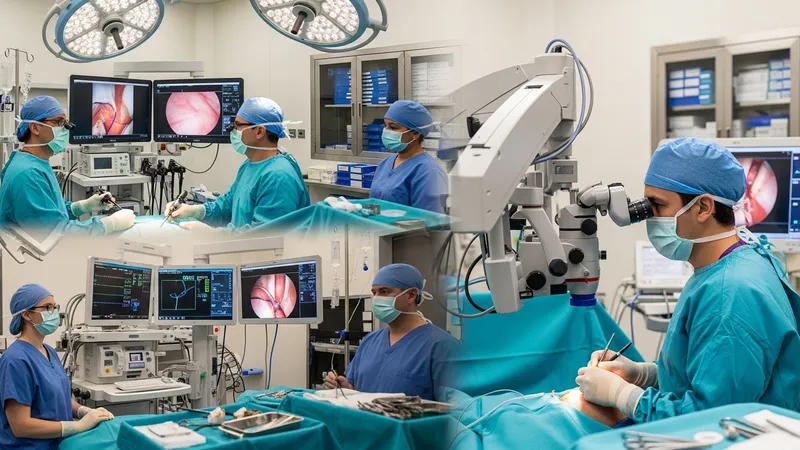
Outpatient surgical procedures, including laparoscopic gallbladder removal or endoscopic sinus surgery, are typically conducted in these centers due to their minimally invasive nature and lower complication rates. Complex surgeries requiring intensive post-operative monitoring may be reserved for hospital-based care, but many routine procedures can be safely managed in outpatient environments. Advances in anesthesia and surgical techniques have expanded the range of procedures safely offered outside traditional hospital settings.
Clinics specializing in cosmetic and reconstructive surgery often provide procedures such as rhinoplasty, breast augmentation, and liposuction. These are generally elective and may involve higher out-of-pocket costs, as insurance coverage is uncommon. Similarly, eye care centers perform LASIK and cataract surgery, while orthopedic centers focus on procedures such as knee arthroscopy, carpal tunnel release, or minor fracture repairs. Such specialization allows for a focused and efficient patient experience.
The variety of procedures accommodated in private clinics allows patients to access services that suit their specific health or lifestyle goals. For example, individuals seeking less invasive interventions may find suitable options through clinics equipped for advanced endoscopy or minimally invasive orthopedic procedures. Procedural scope, equipment availability, and specialist expertise all contribute to the diversity of services available in the private clinic sector across the United States.
Choosing private clinics for specialist surgery or consultations in the United States may offer certain advantages that appeal to specific patient groups. One commonly discussed benefit is the potential for shorter wait times, as private centers often manage their own scheduling independently from busy hospital systems. Appointments and elective procedures may be available sooner, which can be significant for individuals managing time-sensitive or quality-of-life conditions.

Another aspect that patients and clinicians often note is the level of personalized attention received. Private clinics generally see fewer patients per day compared to large hospitals, enabling more focused interactions between patients and their healthcare team. This setting may enhance communication, foster stronger patient-clinician relationships, and support continuity of care, especially in subspecialties that value long-term management and follow-up.
Privacy and comfort are frequently highlighted by users of private clinics and surgery centers. These facilities often design their physical spaces to prioritize discreet entry and exit, as well as private waiting areas. For some outpatient procedures, this environment may contribute to a less stressful experience. Furthermore, streamlined administration in private settings can sometimes facilitate more efficient check-in, billing, and record-keeping compared to larger institutions.
However, patients considering private clinics should review factors such as insurance network participation, potential out-of-pocket costs, and accreditation status. While many insurance plans may include private clinic procedures, exclusions and payment structures (including copayments and deductibles) often vary. Accreditation from agencies such as The Joint Commission or state health authorities can be checked to assess the clinic’s compliance with national safety and quality standards. Balancing these considerations helps individuals make informed decisions regarding their care.
Costs associated with private clinics and specialist surgery centers in the United States can differ substantially based on several key factors. The nature of the surgical procedure, geographic location, and individual clinic policies all play a role in determining final charges. For example, routine outpatient procedures such as hernia repair or cataract surgery can be found at listed rates starting from several thousand dollars but may increase significantly for complex cases or advanced technologies. Cosmetic procedures are typically priced higher, often entirely as out-of-pocket expenses.

Payment models for private clinics often incorporate direct payment, private health insurance, employer-sponsored health plans, and sometimes health savings accounts (HSAs). Patients considering private clinics may inquire about accepted insurance networks, typical coverage percentages, and whether procedures fall under deductible or out-of-pocket categories. Many clinics offer transparent pricing for uninsured patients; for example, the Surgery Center of Oklahoma lists procedure rates openly online, which is relatively uncommon in U.S. healthcare.
Insurance reimbursement for specialist surgeries performed in private clinics typically follows a standardized billing process. Preauthorization is generally required for coverage, particularly for elective or non-emergent procedures. Copayment or coinsurance responsibilities can range from modest fixed amounts to a significant share of the total cost, especially if the patient’s deductible has not been met. Patients are usually advised to review insurance documentation or consult insurers to estimate their expected financial responsibility.
Additional cost considerations include facility fees, anesthesia, diagnostic imaging, and follow-up consultations. Some private clinics may bundle services into a single comprehensive price to streamline billing, while others bill separately for each component. Understanding the different components of pricing may help patients avoid unexpected expenses and plan their care pathway appropriately within the context of U.S. healthcare financing.
All private clinics and specialist surgery centers in the United States are subject to state licensing and regulatory oversight. Facilities performing surgical procedures must comply with local building codes, infection control requirements, and state health department inspections. In many cases, centers must be certified by the Centers for Medicare & Medicaid Services (CMS) to participate in government-sponsored insurance programs, ensuring they meet established federal safety and quality benchmarks.

Voluntary accreditation by national organizations, such as The Joint Commission or The Accreditation Association for Ambulatory Health Care (AAAHC), is another quality assurance measure undertaken by private clinics. Accreditation processes typically involve rigorous reviews of patient safety policies, staff qualifications, medical record handling, and emergency preparedness. Clinics pursuing and maintaining accreditation demonstrate an ongoing commitment to best practices and continuous improvement in healthcare delivery.
Quality monitoring within private clinics often includes internal audits, reporting of patient outcomes, and participation in benchmarking programs. These activities help to maintain high standards of care, identify trends in procedural complications, and implement evidence-based interventions to optimize clinical performance. Many clinics publish quality measures or patient satisfaction scores to provide transparency for potential patients and referring clinicians.
Patients considering private clinics and surgery centers in the United States may benefit from reviewing publicly available quality data, accreditation status, and compliance with regulatory standards. These resources can provide reassurance about the clinic’s commitment to safety and offer insight into how the facility compares to national norms for similar services. Evaluation of these aspects is a routine part of informed decision-making in outpatient and elective care environments.