
Breast cancer research explores the underlying processes and complexities associated with tumor development, spread, and therapeutic response. This research encompasses laboratory investigations, population studies, and clinical trials designed to expand scientific understanding and inform newer intervention strategies. By examining cellular mechanisms, genetic mutations, and patient outcomes, researchers build a foundational knowledge that may influence future treatment pathways.
Currently, breast cancer research addresses a wide array of interrelated topics, such as why certain tumors become resistant to existing therapies, how metastasis occurs, and which biomarkers can be used for early detection or treatment selection. Ongoing studies often focus on refining screening technologies, optimizing drug protocols, and assessing the molecular features that may affect prognosis.

Targeted therapy research has shifted focus toward drugs or interventions designed to engage specific molecular targets found in breast cancer cells. These may include hormone receptors, HER2 proteins, or alterations in cell cycle regulators. Such studies typically investigate whether these interventions could offer advantages over traditional chemotherapy in specific patient groups. Clinical trials, meanwhile, provide a structured environment for testing the potential of these therapies and monitoring for side effects or efficacy signals.
Advances in breast cancer screening research investigate modalities that may increase early detection rates or provide more precise information about suspicious findings. Multimodal approaches, such as combining digital mammography with molecular markers, have been topics of recent experimental inquiry. Improving the accuracy and reliability of these methods is considered a priority in efforts to reduce advanced-stage diagnoses.
Data from clinical, genomic, and imaging sources are increasingly integrated using advanced analytics or artificial intelligence tools. This allows for the identification of complex patterns in tumor biology or patient characteristics that may inform future research and patient management strategies. While these investigative methods are still being validated, their adoption in breast cancer research has grown in recent years in the United States.
Taken together, these ongoing research efforts offer incremental gains in knowledge that, over time, may contribute to more precise diagnosis, risk assessment, and personalized treatment development. The next sections examine practical components and considerations in more detail.
Many current breast cancer research projects focus on therapies that interact with specific biological features found in tumor cells. Targeted therapy may involve drugs designed to block the activity of certain proteins such as HER2 or hormone receptors. These agents are typically evaluated for their effectiveness in defined populations where the biological target is known to be present, offering an approach that may reduce exposure to treatments unlikely to provide benefit.
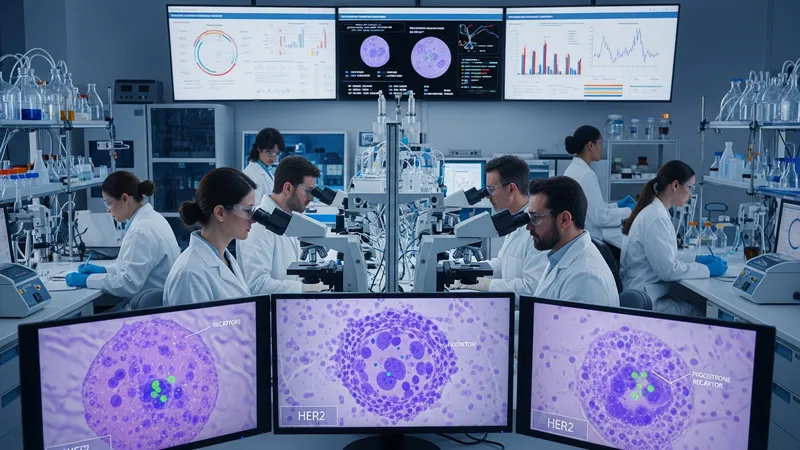
The development of targeted therapies requires extensive laboratory work to identify appropriate molecular targets and preclinical testing to assess safety. After these initial phases, drugs are considered for evaluation in clinical trials, often starting with patients who have advanced or metastatic breast cancer. Researchers frequently analyze tumor samples for genetic mutations or protein expression profiles before assigning individuals to a specific therapy in these studies.
One commonly referenced example is the development of antibody-drug conjugates, which link cancer-fighting agents to antibodies that deliver the drug directly to cancer cells. Clinical trials have been used to determine appropriate dosing, response rates, and side effect profiles for these therapies. Such research can provide insight into which patient characteristics may predict benefit and inform the design of future drug development efforts.
The landscape for targeted therapy in breast cancer research continues to expand, with investigational agents targeting previously undruggable proteins or pathways. Adapting to emerging evidence, academic and industry-sponsored studies assess both new compounds and alterations in dosing or scheduling. This area may contribute to more individualized intervention strategies depending on ongoing trial findings and regulatory evaluations.
Clinical trials serve as an essential component in translating breast cancer research discoveries into patient care. These studies employ rigorous methodologies to evaluate the safety and effectiveness of novel drugs, diagnostic tools, or treatment combinations. Many trials are conducted in multiple phases, often starting with small-scale assessments of safety before progressing to larger tests of efficacy and comparative benefit.

Recruitment and participation in clinical trials may depend on specific eligibility criteria, such as cancer stage, prior treatments, and biomarker status. Some trials are stratified based on genetic mutations, while others seek to include broad populations to assess generalizability. Participation provides researchers with valuable data, but it is accompanied by protocols to ensure informed consent and patient safety.
The outcomes of well-designed trials can inform regulatory approvals, clinical guidelines, and future research priorities. Data collection in these studies often includes tumor response, side effect tracking, quality of life measures, and long-term recurrence rates. External oversight is generally provided by institutional review boards and independent monitoring committees to ensure ethical conduct and accurate reporting.
Interest in clinical trial participation can fluctuate for various reasons, including public awareness, access to trial sites, and perceptions of experimental treatments. Initiatives designed to educate about trial availability and the role of clinical research aim to expand patient involvement and diversify study populations. This ongoing work helps generate more robust and applicable evidence for evolving breast cancer interventions.
Molecular diagnostics represent a growing area within breast cancer research, with efforts ongoing to identify markers that may aid in diagnosis, prognosis, or treatment selection. These markers include DNA mutations, protein expression patterns, or gene signatures detected through tools like next-generation sequencing. Incorporating such biomarkers into research studies is intended to support a more nuanced approach to patient evaluation and therapy assignment.
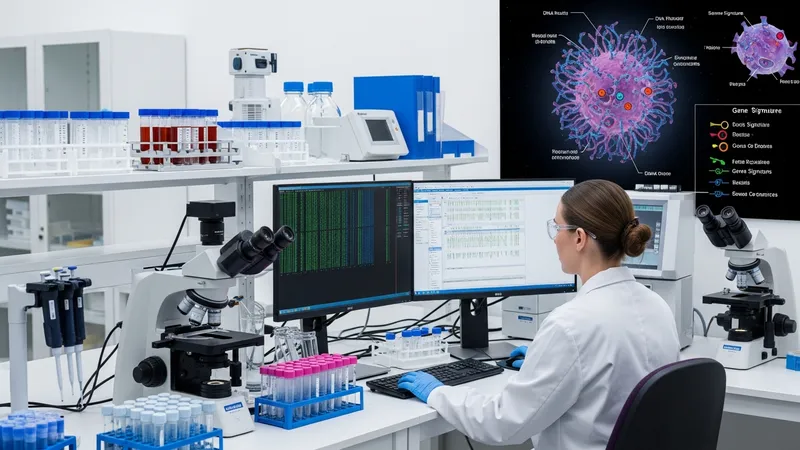
Blood-based, or "liquid biopsy," research explores whether fragments of tumor DNA or circulating tumor cells can be reliably detected at early stages or during treatment monitoring. These investigations may add to or supplement traditional tissue biopsy and imaging methods, aiming to increase sensitivity or reduce the need for invasive procedures. Variability in test accuracy and standardization remains a subject of current study.
Molecular profiling can help categorize breast cancers into subtypes, which may exhibit differing patterns of growth, spread, and response to therapies. This stratification is used both in research to direct patients to appropriate trials and in clinical care for selecting approved treatments. New tests and algorithms that combine multiple molecular features are in development and being tested for practical utility in diverse populations.
Challenges in this area include ensuring access to advanced diagnostics, interpreting complex results, and determining how to act on molecular data in real-world settings. Research groups prioritize collaboration with technology developers, regulatory bodies, and clinical specialists to evaluate utility and integration. As more is learned, molecular diagnostics may increasingly guide individualized research and treatment pathways in breast cancer.
The use of data integration and artificial intelligence (AI) methods is expanding in breast cancer research. By combining clinical, imaging, genetic, and pathological data into unified datasets, researchers aim to uncover patterns that might not be evident through traditional analysis. Multimodal data integration enables the exploration of complex interactions between risk factors, tumor characteristics, and treatment response.

AI techniques, particularly machine learning, are often utilized to analyze large quantities of data for features associated with disease progression or therapy outcomes. Predictive models may be trained to interpret subtle imaging findings, identify key genetic alterations, or forecast recurrence risk. Research in this domain emphasizes validation and transparency to ensure models perform reliably across different populations and environments.
Integrating diverse data sources presents logistical and technical challenges, such as harmonizing laboratory values, ensuring data privacy, and addressing missing information. Collaborative projects between medical centers, technology firms, and regulatory agencies have aimed to establish standards for data sharing and analytical rigor. These efforts facilitate research reproducibility and may accelerate the identification of actionable research discoveries.
As these advanced methods become more prominent, it is anticipated that they could contribute to more refined risk assessments, earlier diagnosis, and optimized clinical trial designs in breast cancer research. Their practical implementation depends on ongoing validation, regulatory review, and consistent integration with existing research protocols. This dynamic area continues to evolve as technological capabilities advance.