
Forensic accounting is a specialized field that combines accounting, auditing, and investigative skills to examine financial records for signs of irregularities or illegal conduct. This area of practice focuses on analyzing transactions, reconstructing financial histories, and evaluating internal financial controls to detect possible fraudulent activity. Forensic accountants frequently engage in reviews that could serve as the basis for legal proceedings, regulatory actions, or settlement discussions involving organizations and their personnel.
In corporate fraud investigations within the United States, forensic accounting professionals are often tasked with tracing funds, identifying unauthorized transactions, and documenting evidence of potential misstatement or manipulation. This disciplined approach typically involves the review of accounting records, financial statements, and supporting documentation to assess the integrity of the reported information. Forensic accounting may also include evaluating whether internal controls are sufficient to prevent or detect fraud, as well as collaborating with legal or regulatory officials.

Forensic accounting work in the United States may be crucial for supporting complex fraud investigations. These professionals typically apply established auditing frameworks and analytical techniques. Their findings may be used to support processes such as litigation, dispute resolution, or regulatory inquiries in the corporate environment.
Common indicators reviewed by forensic accountants include abrupt changes in accounting methods, unexplained transactions, or inconsistencies between related financial records. The presence of such indicators does not by itself prove intent, but may prompt further examination. The goal is to establish an accurate representation of economic events and identify potential violations of law, ethics, or policy.
Forensic accountants may work closely with legal counsel, regulators, and law enforcement. They are trained to present factual findings in a clear and comprehensible manner, often through written reports or expert testimony in courts. Their expertise in United States accounting standards and industry regulations is typically essential to ensure investigations are thorough and reliable.
Corporate fraud schemes investigated using forensic accounting techniques in the United States can include asset misappropriation, financial statement manipulation, payroll fraud, or billing schemes. Each case may require a tailored investigative approach, and the scope of work often depends on the complexity of the organization and the volume of records available.
In summary, forensic accounting serves as a foundational practice within corporate investigations in the United States. By leveraging diverse analytical and investigative tools, professionals in this field can provide valuable insights into the accuracy, fairness, and legality of financial reporting. The next sections examine practical components and considerations in more detail.
Forensic accountants in the United States often address several categories of corporate fraud, each presenting unique indicators and challenges. Asset misappropriation is one category, involving unauthorized use or theft of company resources. Examples include embezzlement, inventory theft, or misuse of company credit cards. This form of fraud tends to be detected through discrepancies uncovered during reconciliation of financial records with actual assets on hand or through anomalies in accounting entries.

Another prominent type is financial statement fraud, where data is manipulated to alter the appearance of a company’s financial health. This may involve recording false revenues, understating expenses, or omitting obligations. Such manipulations can be motivated by a desire to influence investors, inflate stock prices, or improve access to credit. Forensic accountants typically focus on ratio analysis, trend evaluation, and cross-checking external confirmations in these scenarios.
Corruption, which encompasses bribery, conflicts of interest, or kickback arrangements, is also within the remit of forensic accounting investigations. In these cases, professionals often analyze vendor relationships, review communications, and scrutinize contract terms in addition to financial documentation. Corruption schemes typically span multiple departments or external parties, requiring a holistic review of procedures and transactions.
Occupational fraud, which refers to fraudulent activities undertaken by employees against the organization, is another common subject for forensic accountants in the United States. These may include payroll fraud, falsification of expense claims, or unauthorized data alterations. Addressing occupational fraud usually calls for controls testing, staff interviews, and digital evidence reviews. Each type of fraud may present its own set of red flags and thus shapes the forensic accounting process involved.
Forensic accountants in the United States employ several methods to conduct thorough investigations into suspected corporate fraud. One commonly used technique is data mining, where large sets of financial transactions are examined for patterns, anomalies, or unusual trends. Specialized software tools can assist in identifying duplicate payments, round-dollar transactions, or unusual payment dates, which may suggest unauthorized activity.

Conducting interviews and reviewing internal communications are other important components of the investigative process. By interviewing staff and management, forensic accountants can gain context on financial procedures, clarify questionable entries, and uncover discrepancies between statements and records. Analysis of emails and messaging platforms may also provide insight into intent or coordination among parties involved in suspect activity.
Document review remains foundational in forensic accounting. This involves a detailed inspection of contracts, invoices, purchase orders, and banking records. Inconsistencies between these documents and corresponding entries in the general ledger can provide supporting evidence for further inquiry. The chain of documentation is often cross-referenced to detect fabricated or altered records.
Testing and evaluating internal controls is also common practice. Forensic accountants may assess whether the mechanisms for authorizing, recording, and reviewing transactions are functioning as designed. Gaps in these controls or deviations from standard procedures may allow potential misstatements or misappropriations to go undetected and further signal areas for targeted review.
One critical function of forensic accounting in corporate fraud cases in the United States is the preparation of clear, well-documented reports that can be used in legal proceedings or regulatory reviews. These reports typically outline findings, describe the methodologies applied, and present evidence in a factual and comprehensible manner. Documentation standards are guided by professional organizations and may be required to comply with legal evidentiary standards.
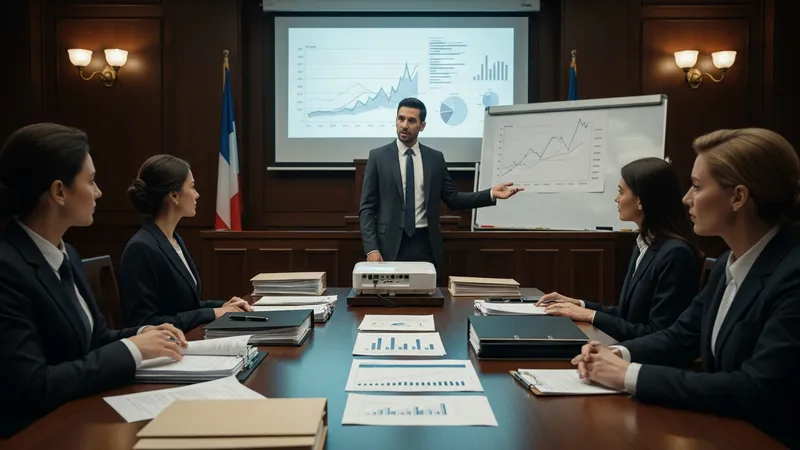
Forensic accountants may be called upon to give expert testimony in courts or regulatory hearings. Their ability to explain complex accounting concepts and present investigation outcomes in non-technical language is often crucial. Properly maintained audit trails and supporting documentation lend credibility and facilitate a transparent review of investigative procedures and conclusions.
Collaboration with legal counsel is common during forensic accounting investigations. Attorneys may provide guidance regarding the handling of sensitive materials, privileges, and legal rights of the parties involved. The forensic accountant’s findings may influence legal strategies or negotiation outcomes, depending on the scope and substance of the evidence uncovered.
Confidentiality and ethical conduct are central to forensic accounting practice in the United States. Professionals must adhere to established codes of ethics, maintain objectivity, and avoid conflicts of interest. Compliance with relevant regulations, such as those set by the Securities and Exchange Commission or state boards, is essential to ensure findings are accepted in both legal and regulatory contexts.
The outcomes of forensic accounting investigations in the context of corporate fraud can influence organizational practices in the United States. Recommendations resulting from these examinations may prompt improvements in internal controls, adjustments to reporting systems, or changes to oversight protocols. Organizations often implement lessons learned to help mitigate the likelihood of similar incidents recurring.

Emerging technology is playing an increasing role in forensic accounting. Advanced audit software, artificial intelligence, and data analytics tools are being leveraged to examine larger data sets and flag atypical activities more efficiently. While these tools can enhance investigative capacity, professionals must remain cautious and confirm findings through established verification procedures to avoid reliance on false positives or algorithmic errors.
Ongoing training and education are key for forensic accountants, given the evolving nature of corporate fraud tactics. Professionals may participate in continuing education programs to stay informed of changes in accounting standards, regulatory expectations, and investigative techniques. Industry bodies, such as the American Institute of Certified Public Accountants, offer resources and certifications specific to forensic accounting and fraud examination.
As organizations and technology continue to evolve, the responsibilities and scope of forensic accounting in the United States may be expected to broaden accordingly. Corporate fraud schemes may become more sophisticated, requiring forensic accountants to adapt their investigative frameworks while maintaining objectivity and adherence to ethical and legal requirements. Continuing emphasis on transparency and accountability ensures that forensic accounting remains a vital component of the corporate compliance landscape.