
When selecting a building contractor in Canada, the process typically involves reviewing various technical and administrative qualifications that directly impact the outcome of construction projects. The range of factors homeowners and development professionals may consider encompasses experience, adherence to regulations, and ability to meet project specifications. This decision can influence project timelines, quality of work, and adherence to Canadian construction standards.
Key elements in assessment commonly include contractor licensing, past performance on similar projects, and how closely operations follow provincial or municipal building codes. Since Canadian construction practices are regulated by both national and local frameworks, evaluating a contractor’s familiarity with required permits, insurance provisions, and safe work regulations is often a core consideration. These variables may help set foundational expectations for safe, efficient, and compliant building practices.

Evaluating a contractor’s licensing status can demonstrate alignment with provincial regulations and licensing boards in Canada. Proper credentials are typically required for many residential and commercial projects, and lack of these may lead to delays or compliance issues. Licensing status is often publicly accessible through official registries, which provide transparency and accountability.
The role of insurance and bonding is another main consideration. Most reputable contractors in Canada carry both liability insurance and worker’s compensation coverage as mandated by provincial rules. Bonding arrangements may protect clients in cases of incomplete work or disputes. This layer of protection can mitigate risk throughout different construction stages and is particularly relevant in multi-phase or high-value projects.
Assessing a contractor’s project management capability is also valuable. Many established firms provide samples of project planning documents and communication protocols during early negotiations. Reviewing these materials helps gauge how the contractor schedules resources, manages timelines, and coordinates with suppliers, subcontractors, and clients. Transparent, documented processes often support better project tracking and help clarify responsibilities.
Attention to past project outcomes and references may give additional insight into a contractor’s consistency, capacity, and commitment to Canadian safety and quality standards. Contacting past clients or viewing completed projects can provide context on the contractor’s track record with budget management and regulatory compliance without constituting an endorsement or guarantee of future results.
In summary, the selection of a building contractor in Canada may involve careful review of documents, credentials, and communication methods. The next sections examine practical components and considerations in more detail.
Licensing serves as a foundational element in the Canadian construction sector. Provincial and municipal authorities typically mandate specific licenses for contractors working on residential, commercial, or industrial projects. Requirements often vary by location. For example, to operate legally in Ontario, contractors generally must acquire a license from the relevant municipal body and meet qualifications set by the province. These measures aim to ensure firms are knowledgeable about building code compliance and relevant legal obligations.
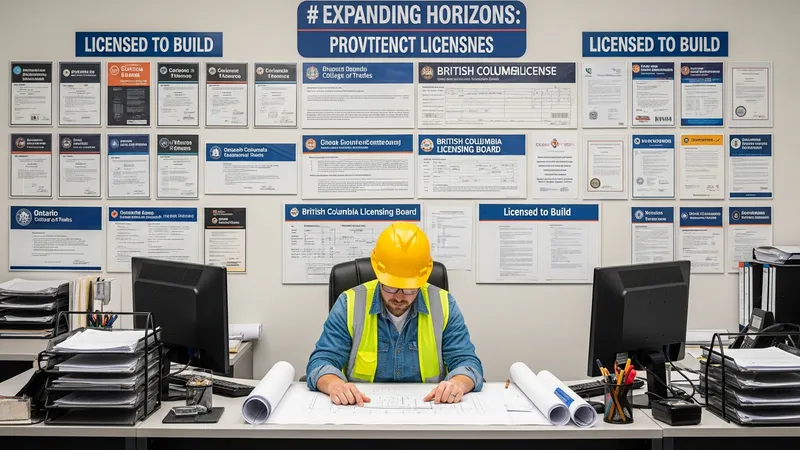
Registered status with bodies such as the Ontario College of Trades or the British Columbia Licensing Board may signify that a contractor has met training and educational standards specific to their trade. Clients often have the opportunity to validate credentials through public registries or request documentation—a practice that may minimize regulatory risk. Such checks allow property owners or developers to proceed with greater confidence regarding the legal standing of the chosen contractor.
Contractors must also routinely navigate safety standards as outlined in the Canadian Centre for Occupational Health and Safety (CCOHS) and by provincial Labour Departments. Health and safety certifications, such as those offered by the CCOHS, are frequently sought as a demonstration of a contractor’s ongoing commitment to maintaining regulated workplace environments. These credentials are especially relevant in larger-scale or multi-story construction projects in urban settings.
Periodic changes in Canadian construction legislation can affect compliance needs. For instance, adoption of updates to the National Building Code of Canada or local fire code requirements might necessitate retraining or additional approvals. Understanding how a contractor monitors regulatory changes and implements compliance strategies can help set realistic expectations for the project’s legal and technical requirements.
Insurance is a central consideration in evaluating building contractors in Canada. Provincial laws typically require contractors to maintain general liability insurance, which may protect both clients and workers from unforeseen damage or injury claims during a project. Some regions might also mandate builder’s risk insurance or coverage for materials stored on-site. Verification of current coverage limits, insurance certificates, and insurer details is a common step in the contractor selection process.

Bonding, such as performance and payment bonds, acts as an additional safeguard. Contractors in Canada undertaking larger-scale or public sector jobs often provide bonds to guarantee project completion or supplier payment. These arrangements, sometimes outlined by organizations like the Surety Association of Canada, can mitigate risks related to non-performance or unresolved financial obligations, offering an extra measure of reassurance for project stakeholders.
Assessing a contractor’s financial health may also play a role in risk mitigation. This can include reviewing business credit ratings, supplier relationships, and history of project completion or dispute resolution. While financial disclosures are not always publicly available, requests for summaries or references from suppliers are common during negotiations. Such steps are intended to confirm that the contractor is capable of managing project demands and cash flow effectively throughout the duration of construction.
In cases involving significant capital investment or phased payments, careful scrutiny of contract terms regarding deposits and progress payments may help set clear expectations. Many Canadian provinces have adopted prompt payment legislation designed to ensure timely compensation for work completed. Reviewing these clauses may assist in aligning project financing with regional legal standards.
Effective project management is widely recognized as a crucial factor in successful building contractor selection. In Canada, contractors often use project management systems or software to coordinate schedules, allocate resources, and track deliverables. Documentation such as Gantt charts, progress reports, and site meeting minutes helps maintain transparency and records decision-making throughout the construction process.

Open communication protocols, including regular status meetings and written updates, are standard practice in many Canadian contracting firms. These measures can support timely problem-solving and foster collaboration among architects, engineers, and building inspectors. By requesting samples of these communications, project owners gain insight into the contractor’s information-sharing style and responsiveness.
Coordination with municipal authorities is another standard project management task in Canada. Contractors are often responsible for submitting permit applications, organizing inspections, and responding to building code queries. Strong administrative systems can facilitate effective working relationships between contractors and local officials, which may help avoid regulatory delays or compliance challenges during construction.
Reviewing a contractor’s contingency planning and change order protocols is a further consideration. Adaptability is important when unexpected circumstances—such as weather delays or supply chain disruptions—arise. A transparent approach to documenting and pricing project changes supports more predictable timelines and budgeting, aligning with the controlled processes valued in Canadian contracting sectors.
Meeting quality standards is a primary consideration for building contractors across Canada. Firms typically reference national benchmarks, including the National Building Code of Canada and region-specific guidelines set by municipal building departments. By maintaining familiarity with these standards, contractors help ensure structural safety, energy efficiency, and occupant well-being in constructed spaces.
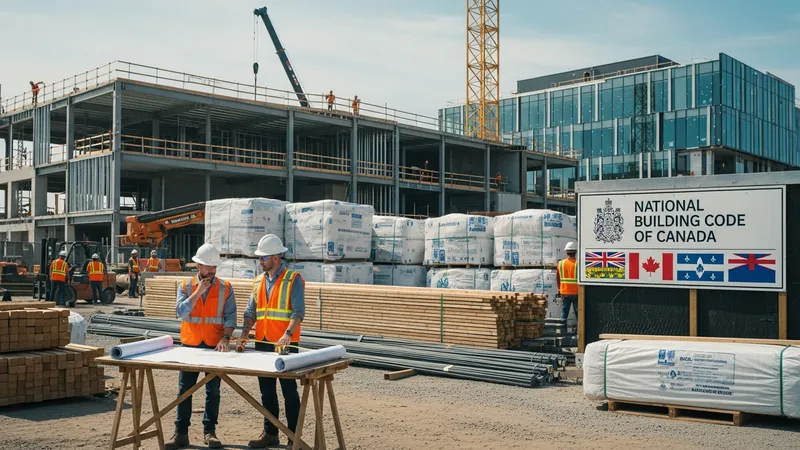
Material selection and installation practices are central to quality assurance. Verified suppliers, certified materials, and established construction techniques are often emphasized to align with both client and regulatory expectations. Documentation of materials and methods, such as warranty papers and inspection logs, further supports compliance and transparency throughout the build.
Third-party inspections are commonly used to validate quality and regulatory adherence in Canadian construction. Independent inspectors or engineers may be engaged at key stages—such as foundation pouring or electrical installation—to verify that work meets applicable codes and quality benchmarks. These measures provide an additional layer of oversight without serving as guarantees or endorsements of any specific contractor’s overall performance.
Ongoing education and training among building contractor personnel are integral for staying current with evolving Canadian standards. Many provincial regulators, industry associations, and technical colleges offer credentialing or continuing education. Contractors who participate in such initiatives may demonstrate a commitment to best practices and regulatory compliance, which can be an important criterion for selection in a Canadian context.