
Safety risk-assessment software refers to digital platforms that help organisations methodically identify hazards, analyse workplace risks, and maintain consistent safety records. These tools have emerged as alternatives to fragmented or paper-based processes in modern operational environments. They allow businesses to manage assessments, inspections, and compliance tracking in a systematic, traceable way—often through centralised web portals or cloud applications.
Central to their function are features that enable documentation, communication, and ongoing monitoring of safety risks and responses. Many platforms offer structured risk assessment templates, evidence storage, and real-time reporting. Such software typically focuses on supporting compliance with both internal safety procedures and external regulations, making it relevant for varied sectors, including construction, manufacturing, healthcare, and more.

Many of these risk-assessment solutions operate via cloud platforms, enabling multi-location access and centralised data management. This connectivity can be particularly useful for organisations managing multiple sites or seeking to streamline the distribution and collection of assessment templates and findings. Some platforms focus on digitising existing safety forms, while others offer in-depth analytics to help identify trends and recurring issues.
Integration with other business systems, such as human resources or enterprise resource planning (ERP) software, is a feature found in some risk-assessment tools. This may facilitate joined-up safety management, linking incident data, personnel training records, and compliance evidence within one digital environment, which could enhance transparency during audits.
Modern risk-assessment software often includes customisable templates, enabling adaptation to diverse regulatory requirements or organisational standards. Having a flexible template library can reduce administrative overhead and make it easier for teams to conduct routine or specialised assessments consistently. Change-tracking and automated reminders can help ensure scheduled reviews are carried out on time.
User access management is an additional core component. Platforms may support role-based permissions, ensuring only authorised individuals can alter assessment records or audit findings. This aids in maintaining the integrity and traceability of documented safety interventions.
In summary, safety risk-assessment software provides structured tools for hazard identification, risk documentation, and evidence management. The next sections examine practical components and considerations in more detail.
At the heart of safety risk-assessment software are features dedicated to digitising traditional risk workflows. Risk identification modules enable users to log hazards and associated controls using guided forms or checklists. These modules often provide the structure necessary to document everything from minor incidents to complex, site-specific risks. Digital recordkeeping can contribute to a more consistent and auditable risk-management process across multiple teams or locations.
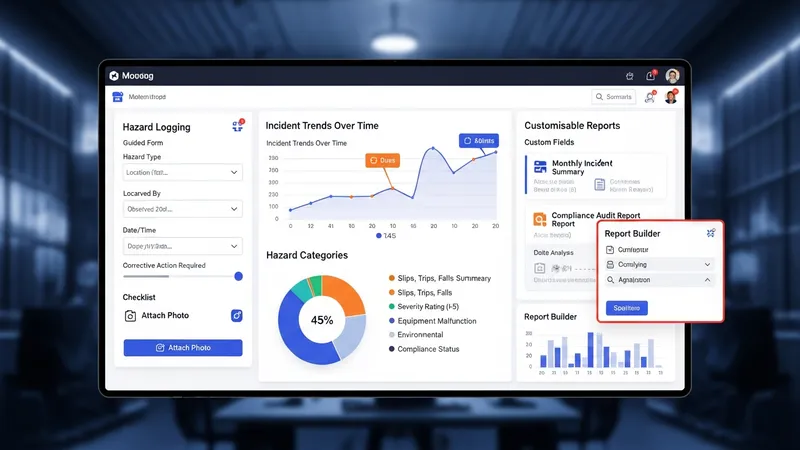
A key feature commonly found is customisable reporting. Many platforms permit users to create tailored reports that reflect the organisation’s specific regulatory obligations or internal requirements. Custom fields, dynamic graphs, and automated distribution options help in facilitating both operational decision-making and compliance reporting, particularly when dealing with regulatory inspections or internal governance checks.
Photo and document attachment capabilities play an important role in modern safety software. Users may typically upload images of site hazards, completed inspections, or corrective actions directly into an assessment record. This embedded evidence allows for a more comprehensive approach to documenting safety measures and may support incident investigation or root-cause analysis in the aftermath of events.
Automated reminders for recurring assessments or overdue actions are also standard. Calendar integration and notification systems can help maintain ongoing vigilance, alerting users to upcoming risk reviews or incomplete safety tasks. This proactive element is especially relevant for organisations with multiple operational areas or complex schedules.
Controlling user access is essential in safety risk-assessment software. Role-based permissions allow organisations to define what each user can view or modify, ensuring sensitive data is protected while still facilitating collaboration. Administrators may assign roles such as assessor, manager, or auditor, which helps to delineate responsibilities and create clear records of changes or approvals.

Security protocols within these platforms typically include encrypted data transfer and secure logins, helping protect confidential assessment information. In the United Kingdom, compliance with the Data Protection Act 2018 and the UK General Data Protection Regulation (GDPR) is critical, particularly when personally identifiable information is included in risk or incident records.
Audit trails are an additional compliance feature, logging changes and user actions on each record. This transparency can be important when organisations are subject to external audit or require detailed justifications for safety decisions. Platforms may maintain version histories and timestamp edits to facilitate robust recordkeeping.
In the event of regulatory scrutiny, the structured records maintained in risk-assessment software can help demonstrate an organisation’s adherence to required standards. Information may be rapidly retrieved and shared with authorities such as the Health and Safety Executive (HSE), reducing the administrative challenges traditionally associated with paper-based systems.
Many risk-assessment software platforms are designed for integration with broader business systems. Connecting safety data to HR platforms, training record systems, or asset-management tools can create a more holistic approach to risk management. Integration can help link training status, accident records, or equipment maintenance schedules directly with ongoing risk assessments, supporting a joined-up view of operational health and safety.
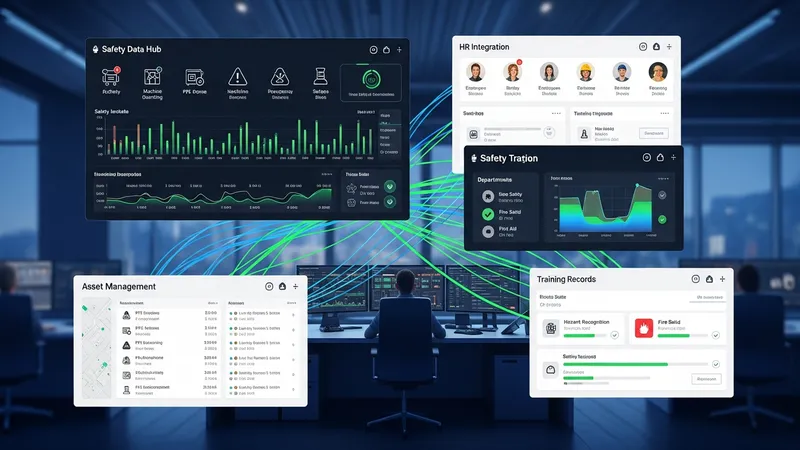
Scalability is a practical concern for businesses that anticipate growth or those managing multiple sites. Cloud-based software often allows for the addition of new locations, departments, or users with limited technical reconfiguration. This flexibility may be particularly useful for large organisations or those in highly regulated sectors needing to demonstrate central oversight.
Open API access is sometimes provided, enabling organisations to develop custom integrations with internal systems or external compliance platforms. Data migration support may also be offered as part of onboarding, assisting businesses in transferring historical risk records from legacy paper or spreadsheet systems without losing continuity of evidence.
The ability to scale and integrate efficiently is also relevant for reporting; organisations may need to consolidate risk data from diverse sources to provide unified management dashboards or board-level updates. A strong integration framework helps keep safety data accessible and actionable across business processes.
Customisability is frequently emphasised by risk-assessment software providers. Organisations may adapt checklists, workflows, and notification rules to suit sector-specific requirements or unique operational risks. This adaptability supports deployment across different industries and helps ensure software usefulness over time as regulations and internal controls evolve.
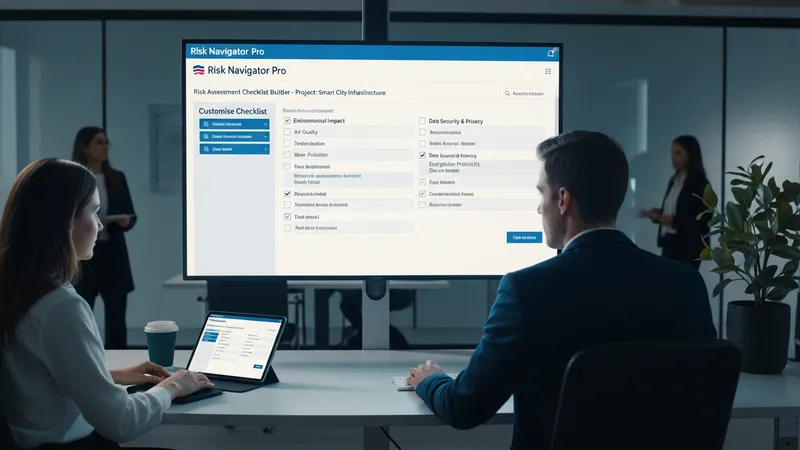
Effective onboarding and training resources are important in achieving sustained utilisation. Many platforms offer guided tutorials, in-platform help, and resources tailored to the needs of users with varying levels of experience. Ongoing support, including update notifications and customer service, can help maintain system performance and address evolving compliance requirements.
Some UK providers align their software’s content libraries and regulatory alerts with current guidance from authorities such as the Health and Safety Executive (HSE) or industry-specific bodies. This connection aids organisations in keeping safety audit templates and risk matrices current, which may help streamline preparations for regulatory visits or third-party audits.
Feedback mechanisms, such as user surveys or suggestions, can lead to iterative software development. Regular updates responding to industry trends or legislative changes help ensure risk-assessment platforms remain relevant and aligned with best practice standards.