
Electric vehicle (EV) charging stations in Ireland are specialised facilities designed to safely deliver electrical energy to plug-in electric vehicles. The installation process for these stations requires careful consideration of technical specifications, compliance with national regulations, and analysis of site-specific factors. The scope of installations can vary from domestic single-vehicle chargers to commercial or public solutions supporting multiple users. Each setup involves a sequence of planning, assessment, and formal permissions, making the process distinctly structured and regulated within Ireland.
Developers and owners considering EV charging station installations in Ireland typically begin with a needs assessment that considers electrical demand, current infrastructure, and anticipated usage patterns. Residential installations often differ greatly from the more complex requirements of public and commercial stations, which must address capacity, user safety, and evolving government standards. Irish regulations—such as rules set out under the National Rules for Electrical Installations (ET101)—shape these requirements, while local authorities and utility providers may contribute additional guidelines.
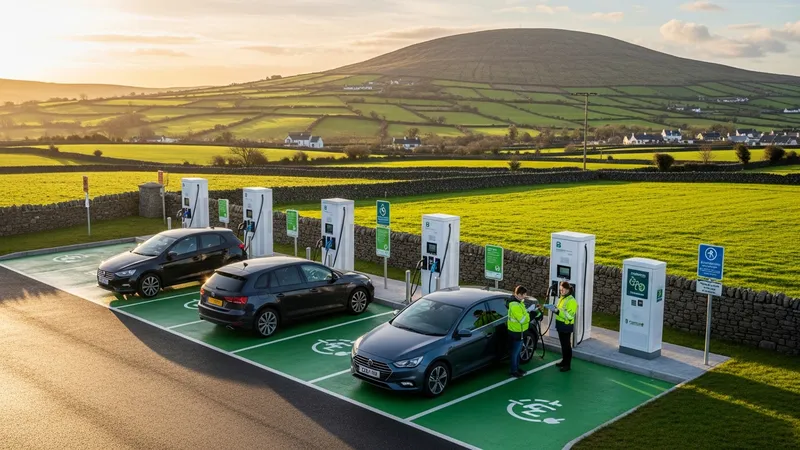
EV charging installations in Ireland may vary based on whether the setting is residential, workplace, or public access. In private homes, single-phase connection and wall-mounted chargers are commonly used, typically rated at 3.6 kW to 7.4 kW. These are often limited by the dwelling’s electrical capacity and require a qualified electrician familiar with Irish standards. In contrast, commercial locations and public car parks may utilise more powerful three-phase units, with charging speeds ranging up to 22 kW for standard points and higher for rapid chargers. The presence of multiple points within a single installation increases the importance of robust site assessment and electrical design.
Key regulations shaping the installation process in Ireland include compliance with the National Rules for Electrical Installations (ET101) and relevant planning permissions where required. Installers frequently engage with local authorities to confirm zoning and permitted development rights. Additionally, utility notification and, in some cases, approval from ESB Networks form part of the workflow for larger public or high-power installations. Ongoing maintenance protocols and operational safety checks are also typically stipulated under Irish standards to ensure long-term safe operation.
From a planning perspective, Irish public policy and grant schemes—administered by agencies such as the Sustainable Energy Authority of Ireland (SEAI)—may influence the adoption and siting of EV infrastructure. Grants for home chargers are subject to eligibility guidelines, while commercial and public installations may access additional supports or incentives aiming to encourage wider uptake. These financial and regulatory frameworks are periodically updated, reflecting changes in technology and climate policy priorities at national and EU levels.
The role of energy demand management and grid integration continues to grow in importance for Irish EV charging station projects. As more vehicles are electrified, careful planning is needed to balance peak demand and safeguard the reliability of the local electricity network. Solutions such as load balancing, smart metering, or scheduled charging may be implemented, especially in larger settings, to minimise strain on grid infrastructure. These considerations are central to Ireland’s approach to sustainable transport and decarbonisation.
In summary, the installation of EV charging stations in Ireland involves a multi-stage process governed by technical, regulatory, and practical requirements. Understanding these components supports effective planning and can contribute to safer, more reliable deployment of EV infrastructure. The next sections examine practical components and considerations in more detail.
Site assessment serves as the starting point for any EV charging station installation in Ireland. This process encompasses evaluating the intended location for vehicle access, spatial constraints, and proximity to mains supply. For domestic installations, close positioning to parking areas with minimal cable runs is typically sought to optimise both user convenience and cost-effectiveness. Commercial or public sites, meanwhile, may factor in pedestrian safety, public lighting, and traffic flow to align with local authority requirements.
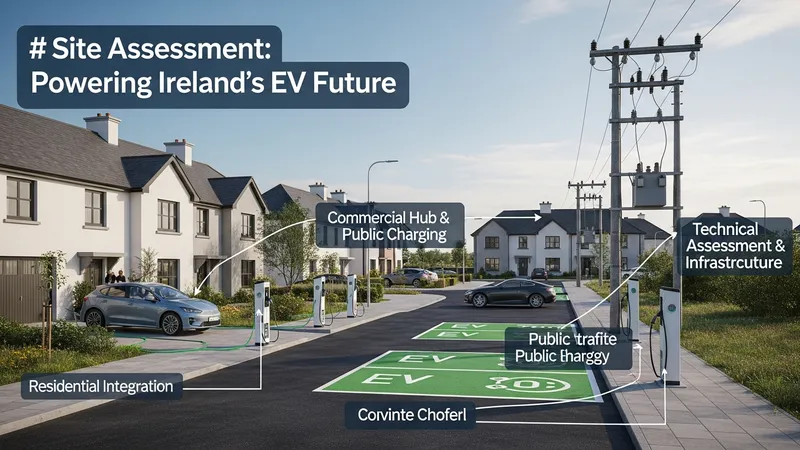
Part of the site assessment involves reviewing available electrical infrastructure. In Irish settings, single-phase domestic supplies are often standard, supporting most home charging needs. For public or workplace chargers, three-phase power may be necessary to deliver higher charging speeds. Assessing the distribution board orientation, spare capacity, and cable ratings assists in identifying whether upgrades or reinforcements are needed. Utility providers and certified electricians play a role in confirming these technical details.
Accessibility and signage also come under scrutiny in the Irish regulatory context. Planning guidelines set out by local councils may stipulate minimum bay sizes and necessary markings to ensure that charging points are easily identifiable, safely accessible, and protected against obstructions. This attention to public safety is especially relevant in multi-user settings such as retail car parks or street-based installations in urban areas.
Environmental considerations, such as local weather patterns and exposure to marine air or heavy rainfall, garner attention—especially for outdoor installations. In Ireland’s climate, ensuring compliance with appropriate Ingress Protection (IP) ratings and corrosion-resistant fittings may reduce the risk of long-term damage. These site-specific factors contribute to durable, reliable, and safe operation over the expected lifespan of EV charging equipment.
Electrical capacity evaluation is integral to safe and effective deployment of EV charging stations in Ireland. Domestic properties usually feature a single-phase supply with main fuses rated between 63A and 80A, which can typically support one charger of 3.6 kW or 7.4 kW when properly installed. Where simultaneous operation of multiple high-powered appliances is anticipated, an assessment of total load and possible upgrades is recommended, especially to avoid overloading.
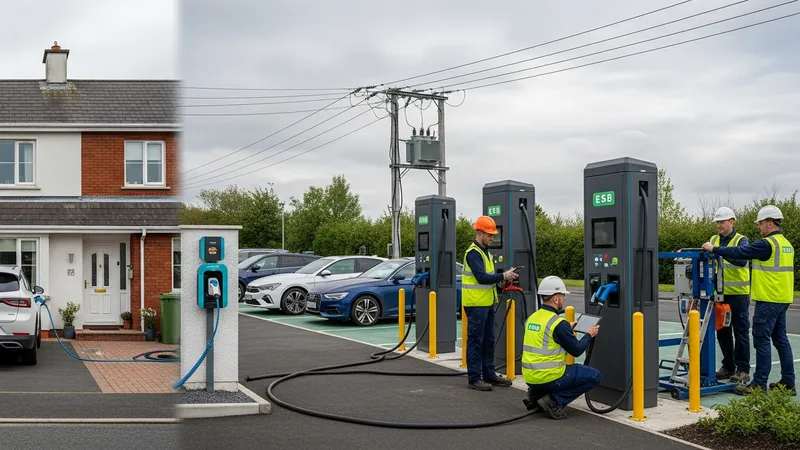
Public and commercial installations frequently require three-phase connections to support increased load, faster charging, and multiple units. The process may involve coordination with ESB Networks for supply upgrades or metering changes. Standard commercial chargers in Ireland provide outputs up to 22 kW using three-phase power, whereas rapid DC chargers—often installed by national networks or large employers—may deliver 50 kW or more.
Voltage drop calculations and cable selection are technical aspects that must comply with the National Rules for Electrical Installations (ET101). Installers assess distance from supply point to charging location, cable size, and protection devices like RCDs or circuit breakers to ensure safety. The presence of additional electrical equipment, such as solar PV or battery storage, can add further complexity requiring bespoke technical design.
In several Irish localities, the presence of older electrical infrastructure may necessitate significant upgrades or rewiring before any new load is connected. Engaging a qualified, Registered Electrical Contractor (REC) ensures that existing infrastructure is suitable and highlights any actions needed to align with both safety codes and anticipated usage. This planning is especially pertinent in heritage settings or older city centre properties.
Compliance with Irish regulations forms a foundational component in EV charging station installation. The National Rules for Electrical Installations (ET101) published by the Electro-Technical Council of Ireland (ETCI) detail wiring and safety standards all registered contractors must follow. These rules outline requirements for cable protection, earth bonding, and the use of residual current devices (RCDs) to mitigate the risk of electric shock.
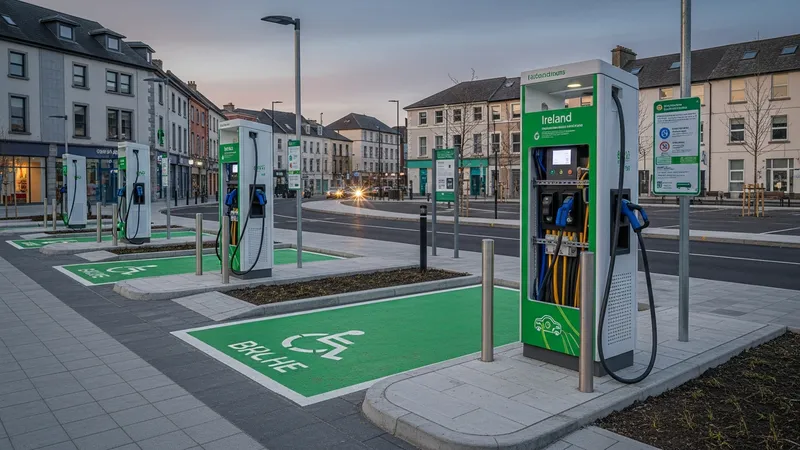
Securing planning permission may be necessary for certain public installations, especially if civil works, changes to public realm, or signage are involved. Local authorities typically specify criteria relating to bay markings, access for people with disabilities, and visual impact—ensuring stations do not detract from streetscapes or protected structures. Many home and private workplace installations can proceed under permitted development rights, but formal notification or guidance from local councils is often prudent.
Health and safety obligations set by the Health and Safety Authority (HSA) require all electrical works to be performed by Qualified Certifiers. Contractors are expected to provide certification that installations comply with ET101 requirements on completion. For high-traffic public installations, additional safety features such as automatic disconnection or emergency stop mechanisms may be mandated under health and safety law.
ESB Networks involvement is standard in Ireland where new connections, load increases, or changes to the electricity metering arrangements are required. Installers liaise with ESB to complete applications, arrange site visits, and ensure full compliance with the national grid standards. This coordination supports both safe operation and long-term reliability in line with Irish policy objectives on EV adoption.
Irish government policy on transport decarbonisation, as reflected in documents such as the Climate Action Plan, offers support for the expansion of EV charging infrastructure. Agencies like the Sustainable Energy Authority of Ireland (SEAI) administer grant schemes for residential chargers, supporting homeowners who install compliant charging points. Eligibility and levels of support are set out on SEAI’s website and are subject to periodic review in line with policy targets.
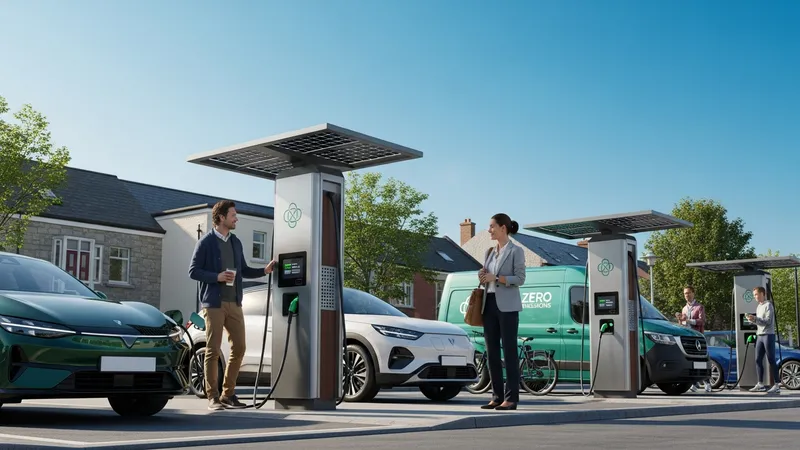
For businesses and public bodies, additional funding or guidance may be accessible for the installation of workplace or public chargers. Grant conditions often stipulate the use of approved products, installation by Registered Electrical Contractors, and retention of documentation for compliance audits. The availability and structure of supports can change, influencing planning and uptake rates throughout Ireland.
Smart charging capabilities, enabling load management and timed charging, are increasingly promoted in larger Irish installations. These features may help align EV charging demand with periods of lower grid usage, supporting energy efficiency and cost management. The rollout of smart meters across Ireland provides further opportunities for integrated management of vehicle charging and household consumption.
Public awareness, adequate signage, and interoperability between charging networks remain ongoing considerations for Irish stakeholders. Installation planning now commonly incorporates needs for user information displays, accessible payment options, and real-time fault reporting. As both government and users continue to learn from existing projects, ongoing feedback is fostering steady improvements in Irish EV charging infrastructure.