
Artificial intelligence (AI) learning devices refer to digital tools and platforms designed to interact with learners, analyze their progress, and adjust educational content to individual needs through automated algorithms. These technologies typically operate by gathering data during use and adapting their responses or materials accordingly, making learning experiences more responsive and tailored to each user. The integration of AI aims to support educators and students with resources that can facilitate tracking, engagement, and structured feedback in a variety of learning environments.
Advancements in AI learning devices have led to educational tools that can monitor how students approach assignments, analyze mistakes, and suggest targeted practice activities. Rather than relying solely on predefined pathways, these devices may employ pattern recognition, natural language processing, and predictive analytics to guide instruction dynamically. The adaptive features found in many such tools aim to foster continuous improvement and align learning experiences more closely with each individual's pace and understanding.

AI learning devices such as those developed by Khan Academy often use recommendation algorithms to adjust the sequence and difficulty of tasks. For example, if students struggle with certain problem types, the platform may provide supplementary practice or alter its instructional approach. This method of content delivery is commonly cited as supporting differentiated instruction, which aims to address various learning styles and speeds.
Personalization in language-learning applications, illustrated by tools like Duolingo, is typically achieved through natural language processing and learner analytics. Such systems gather input from user interactions to detect areas of strength and difficulty, then adjust content complexity as needed. These kinds of adaptive functions can help maintain learner engagement and may reduce repetitive errors by introducing new patterns at appropriate learning stages.
Math platforms using AI, such as DreamBox Learning, incorporate data on mouse movements, time spent per question, and answer choices. This data helps map out individual problem-solving approaches and misconceptions. By responding to these patterns, the platform can provide exercises meant to reinforce understanding or introduce alternative explanations, which may support concept mastery over time.
Many AI-powered educational tools include dashboards or automated reports for educators and parents. These visualizations often display real-time data about learner progress, topic proficiency, and recommended next steps. The use of such reporting features is designed to aid adults in making informed decisions about instructional interventions or additional practice, without requiring them to analyze raw user data manually.
In summary, AI learning devices function by collecting and interpreting data on user interactions to provide adaptive feedback and personalized instruction. The following sections examine the distinct AI-driven components, user experience features, and practical considerations involved in implementing these tools within diverse educational environments.
Adaptive learning algorithms form a foundational component of many AI-powered educational tools. These systems use data analytics to detect patterns in user performance and modify instructional content accordingly. By surveying how students interact with problems, adaptive algorithms can adjust the sequence, complexity, or repetition of learning materials to better align with the learner's demonstrated understanding and pace.
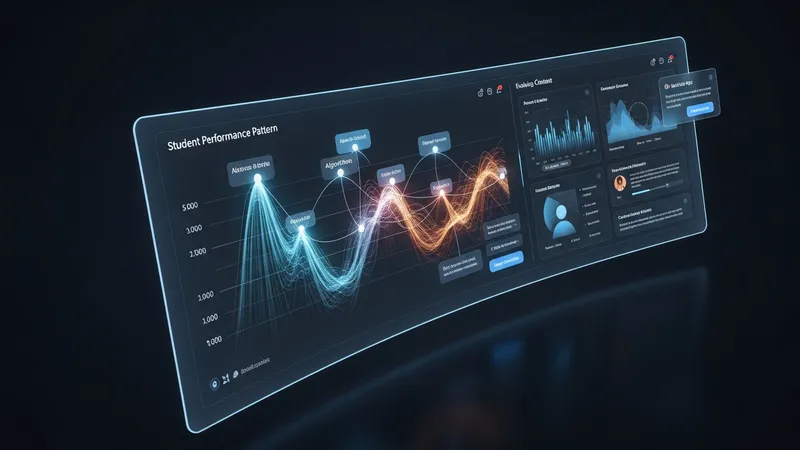
Most adaptive learning devices implement models that factor in incorrect answers, skipped questions, and response times. If a student repeatedly answers certain questions incorrectly, the device may offer explanatory hints, break down problems into smaller steps, or shift focus to prerequisite concepts. This approach is designed to offer just-in-time support while preventing frustration or disengagement from repetitive mistakes.
Within platforms such as DreamBox Learning, adaptive algorithms extend to fine-grained environmental adjustments, including changes in question format or the introduction of contextual visual aids. Adjustments are typically automated based on real-time analysis, aiming to address gaps in foundational knowledge before advancing to new concepts. The intention is to keep each learner within an optimal challenge range, which may be referred to as a "zone of proximal development."
Feedback systems built into AI learning devices often supplement adaptive algorithms with brief assessments or summary questions after key lessons. These checkpoints are designed to confirm understanding and determine if the user is ready to progress. While adaptive algorithms cannot fully replicate the adjustments made by human instructors, they provide scalable ways for large groups of learners to receive instruction that accounts for individual variations.
The user interface (UI) of AI learning devices is typically designed for accessibility and ease of navigation. Intuitive layouts, clear instructions, and responsive design help ensure that students of varying abilities can engage with the material. Color schemes, icons, and audio cues are often incorporated to assist users with different learning preferences and to provide alternative ways to access information.
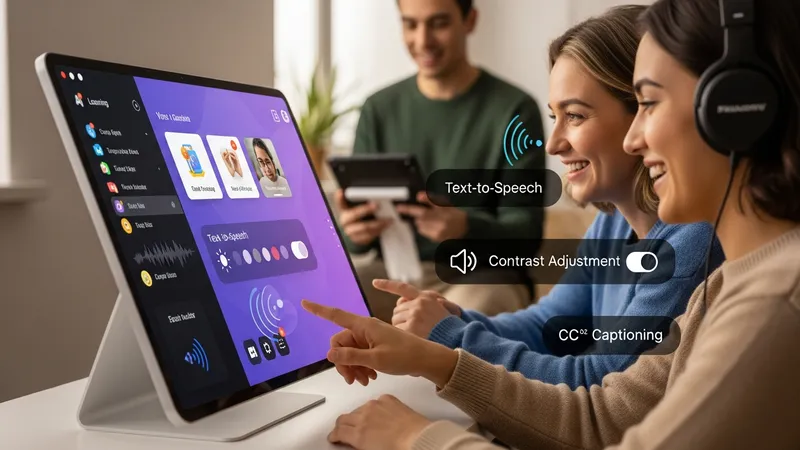
Many adaptive educational platforms integrate features to accommodate users with special learning needs. For example, text-to-speech functions assist learners with reading difficulties, while contrast adjustments and captioning make content more accessible to individuals with visual or hearing impairments. Such accessibility enhancements are routinely updated to align with widely recognized standards, such as the Web Content Accessibility Guidelines (WCAG).
Navigation within AI learning devices generally involves modular menus, progress trackers, and dashboards showing completed activities. These interface features allow learners to identify areas where they may need additional practice, and enable educators to monitor overall progress efficiently. A clear and uncluttered interface may also support increased focus and reduced cognitive load, which can enhance the learning experience.
AI learning devices in the United States frequently offer versions in multiple languages to support learners from diverse backgrounds. Multilingual capabilities, adjustable font sizes, and adaptive feedback are common UI elements that promote inclusive participation. By monitoring engagement metrics, platforms can further assess whether their interface designs are effective or may require iterative improvements to meet evolving user needs.
The implementation of AI in educational tools typically involves the collection and processing of sensitive student data. Privacy policies and security protocols are central to maintaining the trust of users and complying with regulations such as the Family Educational Rights and Privacy Act (FERPA) in the United States. These measures aim to ensure that personally identifiable information is stored securely and used only for educational purposes.
Data collected by AI learning devices may include names, age, academic performance, and interaction logs. Access to such data is usually limited to authorized users, including educators and system administrators. Encryption, secure login credentials, and periodic auditing are commonly utilized safeguards designed to minimize the likelihood of unauthorized access or data breaches.
Transparency regarding how learner data is used is an important component of AI-powered educational platforms. Many services provide accessible privacy policies and parent or guardian consent mechanisms. These resources are intended to inform users about the type of data collected, how it is processed, and with whom it may be shared. Opt-out options for data collection are sometimes available in accordance with local laws and regulations.
Periodic reviews of privacy and security protocols help AI learning device providers adapt to emerging cybersecurity trends and changes in legal standards. Routine vulnerability assessments and staff training in data protection are additional measures that can contribute to a safer digital learning environment. Staying informed about updated privacy features and settings is commonly advised for educators and administrators who implement AI learning tools in schools or organizations.
In classrooms that incorporate AI learning devices, educators typically assume the role of guides who monitor progress and provide supplemental intervention as needed. While AI-powered tools may automate aspects of instruction and feedback, educators remain responsible for interpreting analytics, contextualizing results, and addressing unique learner needs beyond what automation can support.

Students using AI learning devices often engage in self-paced study, allowing for repeated practice and exploration of topics. These tools enable learners to monitor their own progress through dashboards and trackers, supporting the development of self-regulation skills over time. However, guidance from educators, peers, or family members can still play a significant role in fostering persistence and providing encouragement.
Collaboration features, such as discussion forums or group assignments integrated within AI learning platforms, may enhance the social aspect of learning. By facilitating peer-to-peer communication and collective problem-solving, AI tools can support cooperative learning experiences alongside individualized instruction. This balance between personalization and collaboration is often cited as a feature of modern digital classrooms.
Ongoing research in AI-enhanced education continues to examine the impact of these technologies on learning outcomes, instructional practices, and classroom dynamics. Educators and institutions implementing AI-powered devices typically consider both the opportunities and limitations of automation when planning instructional strategies. Informed decision-making, professional development, and periodic evaluation remain integral to the effective use of AI in education.