
Understanding how small cars meet regulatory and safety standards involves examining various requirements that determine their compliance for legal road use in Australia. These criteria are formed through legislation, engineering protocols, and performance testing designed to enhance vehicle safety, minimize risks, and promote environmental obligations. The framework for these requirements is established by several national bodies, resulting in a multilayered approach to both passive and active safety, emissions control, and vehicle design quality.
Small cars, being compact and fuel-efficient, must conform to a particular set of regulations that address their unique structure and intended market. Compliance with these standards not only affects vehicle choice and affordability but also ensures that vehicles sold or operated within the country meet minimum benchmarks for occupant protection, emission levels, and legal operability. Regulations may be periodically updated to reflect advances in automotive safety technology or environmental priorities.

The Australian Design Rules serve as the primary baseline for vehicle compliance. These national regulations focus on aspects such as crashworthiness, structural integrity, and equipment requirements. Small cars must demonstrate conformity to the applicable ADR series, including features like seatbelts, airbags, electronic stability control, and braking system standards. Non-compliance typically results in registration restrictions or prohibition from sale.
In addition to ADR compliance, independent crash assessment programs such as ANCAP offer supplementary insight into vehicle safety performance. ANCAP assesses key aspects like occupant protection, child safety, and pedestrian impact, providing a star rating that may influence consumer decisions. While ANCAP ratings are not legally binding, they often reflect consumer expectations and form part of brand disclosures.
Emissions regulations, updated periodically by federal authorities, stipulate maximum permissible levels of pollutants such as nitrogen oxides, carbon monoxide, and particulate matter. Small cars, often praised for fuel efficiency, must still achieve these emissions thresholds to maintain registration and market access. Standards commonly align with or exceed international benchmarks, reflecting evolving environmental considerations.
When selecting a small car, awareness of these compliance factors can help clarify differences in up-front cost, maintenance expectations, and potential resale value. Vehicles that comply with the latest ADR, ANCAP, and emissions standards may typically offer broader insurance eligibility and access to popular finance products. However, specific costs and features will still vary between brands and models.
Overall, compliance regimes for small cars in Australia are designed to balance affordability, occupant safety, and environmental impact. Regulatory updates are common, responding to technological change and road safety data. The next sections examine practical components and considerations in more detail.
Australian regulations require small cars to be equipped with specific safety technologies as defined by applicable ADRs. Typical mandatory features include dual front airbags, electronic stability control, anti-lock braking systems (ABS), and three-point seatbelts for every seating position. These requirements aim to ensure that cars possess baseline protections for occupants in the event of a collision or loss of control. The process for compliance involves pre-sale assessments, compliance plate checks, and periodic reviews by authorized authorities to ensure continued adherence as manufacturing practices evolve.
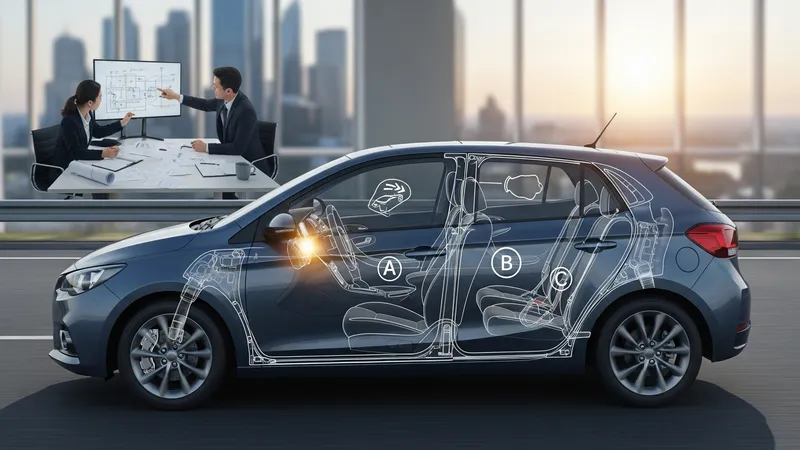
Side impact protection is another regulated area, with structural reinforcements incorporated into the vehicle frame. Doors, side pillars, and roof structures must meet minimum performance criteria to reduce the likelihood and severity of injury during a side collision. The relevant ADRs specify exact impact tests and thresholds, which manufacturers must fulfil before vehicles can be homologated for sale. Updated versions of these rules may introduce new requirements as industry knowledge advances.
Additional safety measures commonly found in compliant small cars include seatbelt reminder systems and child restraint anchorage points. These features are especially crucial for families and contribute to broader road safety objectives. The inclusion of such technologies is closely monitored through collaborative industry-government procedures, with random audits ensuring that post-market vehicles remain within compliance parameters.
Lane departure warning and autonomous emergency braking may be offered on newer models as standard or optional features. While not universally mandated at the ADR level as of June 2024, their presence may influence ANCAP safety ratings and regulatory outlooks. Australian authorities frequently consult with international regulatory bodies to determine suitable timelines for integrating advanced driver assistance systems into formal standards for small cars.
Australasian New Car Assessment Program (ANCAP) crash ratings serve as an independent resource for assessing small car safety in Australia. ANCAP evaluates vehicles through controlled laboratory and real-world tests, assigning star ratings based on performance in simulated frontal, side, and pole impacts. Additionally, pedestrian protection and safety assist technologies are factored into the assessment. These ratings are published to inform the public and provide regulators with supplemental data on evolving vehicle safety performance.
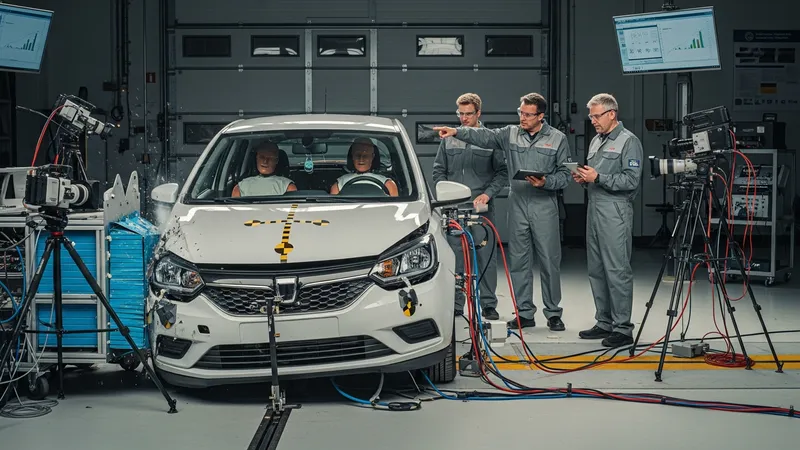
Small cars typically undergo the same suite of physical tests as large vehicles, but their compact dimensions can sometimes present greater challenges for energy absorption during collisions. Manufacturers may address these challenges by reinforcing critical structural areas or adding energy-dispersing materials. ANCAP frequently updates its protocols, with assessments reflecting the current state of technology, market offerings, and real-world injury data. Detailed test results are available on ANCAP’s official website, making them accessible for buyers and policymakers.
An ANCAP score is not a substitute for legal compliance but may carry significant influence in insurance assessments and resale valuations. Some Australian states also use ANCAP results as a reference in fleet purchasing guidelines or public safety information campaigns. ANCAP works closely with international partners to ensure that ratings are harmonized and reflect the latest evidence-based practices in vehicular safety evaluation.
The role of ANCAP in the Australian market illustrates the collaborative approach between government, industry, and consumer organizations. While ADRs dictate legal minimums, ANCAP’s independent ratings provide supplementary guidance, encouraging manufacturers to adopt advanced safety features beyond baseline regulations. This dual system fosters ongoing improvements in occupant protection across all segments, including small cars.
Australian emissions standards are set by the Department of Infrastructure, Transport, Regional Development, Communications and the Arts and apply to all new vehicles, including small cars. These standards specify maximum allowable levels for pollutants such as carbon monoxide, hydrocarbons, nitrogen oxides, and particulate matter. As of June 2024, the standards commonly mirror or exceed international benchmarks to encourage the adoption of advanced engine and filtration technologies within the national vehicle fleet.

Emissions testing for compliance includes laboratory assessment under controlled conditions, examining both urban and highway driving cycles. Manufacturers must submit vehicles for certification before market introduction, and vehicles that do not meet the specified limits are ineligible for registration. Periodic review and incremental tightening of standards are typical as Australia aligns policy with international environmental goals and responds to local air quality concerns.
For small car buyers, emissions compliance can impact choices in fuel type, engine size, and ongoing operating costs. Low-emission vehicles may attract specific concessions, such as reduced registration rates in certain states, though eligibility requirements vary. Persistent non-compliance issues—including the use of non-approved modifications—can result in fines, deregistration, or mandatory rectification under vehicle defect notices.
The shift towards electrification and hybrid technologies is supported by regulatory incentives and evolving compliance frameworks. While not all small cars are required to meet zero-emission standards, the regulatory direction is toward stricter limits over time. Awareness of current settings and future changes can influence manufacturer design priorities and consumer expectations regarding efficiency and environmental performance.
Maintaining ongoing compliance for small cars extends beyond initial registration. Vehicle owners are typically responsible for ensuring that safety equipment, emissions systems, and structural components remain in correct working order throughout the vehicle’s lifespan. State and territory roadworthiness checks may identify compliance issues, requiring timely repairs or modifications to avoid penalties and keep vehicles lawful for road use.

Aftermarket modifications present particular compliance challenges. Alterations to a small car’s suspension, engine, or emissions control systems can affect its adherence to ADR requirements or emissions standards. It is important for modifications to be certified and approved by authorized engineers, and for all changes to be documented according to state or federal regulations.
When purchasing a used small car, consumers may consider requesting documentation of compliance with relevant ADRs, recent safety inspections, and validated emissions test outcomes. Compliance plates, typically affixed in the engine bay, confirm original conformity and can be cross-checked against official records. Dealers and private sellers are subject to disclosure rules under Australian consumer protection law regarding compliance-related defects.
Long-term safety and environmental considerations can also affect the resale value and insurance viability of small cars. Vehicles that consistently meet updated regulatory standards may achieve wider market acceptance and experience fewer legal or administrative issues. As government requirements are periodically reviewed and updated, staying informed of regulatory changes is advisable for both owners and prospective buyers.