
High-end fashion in France combines innovative design, craftsmanship, and artistic vision to create luxury apparel that is recognized worldwide. This sector operates at the intersection of creativity and meticulous skill, with designers producing garments that often set the standard for style and influence seasonal collections. Items categorized as high-end fashion typically involve high-quality materials, precise tailoring, and attention to visual details, reflecting both traditional craftsmanship and contemporary concepts.
The French designer fashion scene encompasses a variety of elements, including luxury ready-to-wear collections, haute couture, and accessories. While these garments often feature on prestigious runways and attract global attention, their influence extends into mainstream fashion and retail markets. Designers frequently draw from cultural, historical, and artistic sources, resulting in a dynamic industry where innovation, reinterpretation of classics, and sustainability considerations may shape each new collection.
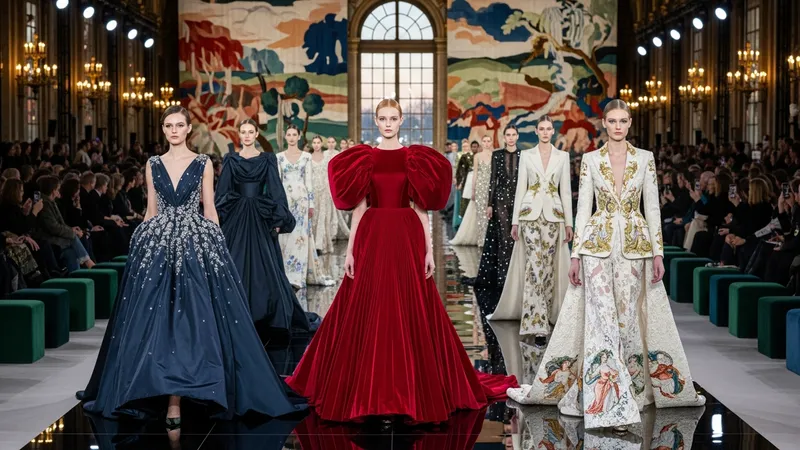
High-end fashion labels in France may utilize new textile technologies and sustainable practices alongside traditional methods. Many designers and couture houses participate in Paris Fashion Week, presenting collections that can influence the direction of international style trends. These events often serve as a platform for creative expression, where innovation can be observed through experimental forms, fabric choices, and thematic concepts.
Runway presentations are a core feature of the French high-end fashion cycle. These shows display not only the clothing but also an overarching narrative or artistic vision for each season. Collections often reference the designer’s heritage while integrating contemporary motifs or techniques. Craftsmanship remains central, with many luxury fashion houses maintaining in-house ateliers for pattern making, embroidery, and finishing.
Consumer interest in French designer apparel may be shaped by several factors including brand history, perceived quality, seasonal trends, and cultural relevance. While high-end garments are produced in limited quantities, particular items or collaborations sometimes gain iconic status and are preserved in museum collections or studied in academic settings for their artistic merit.
Innovation in high-end French fashion also includes a growing emphasis on environmental and ethical considerations. Some companies have implemented responsible sourcing policies, developed recyclable materials, or introduced restoration and repair services. These strategies aim to balance luxury with evolving consumer expectations regarding sustainability and transparency.
In summary, high-end fashion in France is shaped by designers who combine tradition and innovation to create garments that are both artistic and functional. The next sections examine practical components and considerations in more detail.
Craftsmanship plays a vital role in high-end French designer apparel. Many luxury fashion houses, such as those listed previously, rely on skilled artisans known for their expertise in textile manipulation, embroidery, and couture tailoring. These specialists often work in ateliers where attention to detail is paramount and traditional methods are preserved alongside more recent innovations. This dedication to skill ensures that each garment not only meets elevated aesthetic standards but can also exhibit lasting quality.
Materials used in French high-end fashion are typically selected for both their luxurious feel and durability. Designers may utilize silk, fine wool, cashmere, lace, and specialty leathers, sourced from suppliers who adhere to quality and ethical practices. Innovations in fabric technology, such as the development of lighter, more breathable fibers or sustainable fabrics, are becoming increasingly prominent, reflecting shifts in both consumer values and industry standards.
The process of developing a high-end fashion piece may involve multiple stages, from initial sketches to fabric selection, pattern drafting, and hand finishing. Designers and ateliers frequently collaborate to ensure each garment embodies the brand’s creative vision while maintaining practical wearability. Embellishments such as beadwork or appliqué are often executed by hand, a feature that can distinguish luxury pieces from mass-produced apparel.
In France, the value of craftsmanship is further underscored by the presence of national labels such as “Haute Couture,” which is protected by law and grants status to fashion houses that meet strict criteria for handmade production and atelier practices. This institutional framework supports the preservation of artisanal methods, ensuring that French designer apparel maintains its reputation for excellence in both design and execution.
Runway presentations are a significant event in the French high-end fashion calendar, offering a venue for designers to introduce new collections to industry professionals and international audiences. Paris Fashion Week is considered one of the most prestigious platforms for these showcases, with designers presenting garments that emphasize creativity and technical skill. These events often set the tone for upcoming trends in both luxury and mainstream markets.
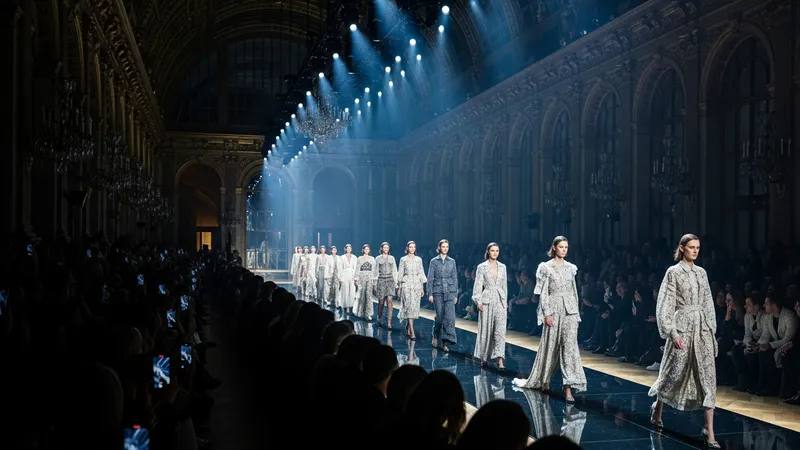
French designers often structure their collections according to distinct seasons, such as Spring/Summer and Autumn/Winter, each with unique thematic focus and stylistic elements. This biannual rhythm allows for the introduction of new concepts, materials, and silhouettes that reflect shifts in cultural and aesthetic preferences. Capsule collections and limited-edition releases are also used to explore specialized themes or artistic collaborations.
In addition to highlighting new designs, runway shows can demonstrate the versatility and artistry inherent in high-end apparel. The overall presentation, including set design, music, and choreography, frequently forms an integral part of the narrative the designer wishes to convey. Attention to these details extends the influence of French fashion houses beyond the garments themselves, impacting visual culture and media coverage.
Access to runway presentations is often restricted to buyers, media, and select guests, though the rise of digital platforms has made aspects of these events more widely available to the public. Online streams, official social media channels, and post-show lookbooks allow broader audiences to observe trends as they emerge, potentially increasing transparency and engagement with the world of luxury apparel.
High-end French fashion designers frequently draw on elements from art, history, and contemporary culture to shape their collections. This interplay can foster garments that are both innovative and reflective of broader cultural narratives. For instance, collections inspired by French art movements or historical periods can introduce motifs, colors, and structural features that resonate with current themes in society or the arts.
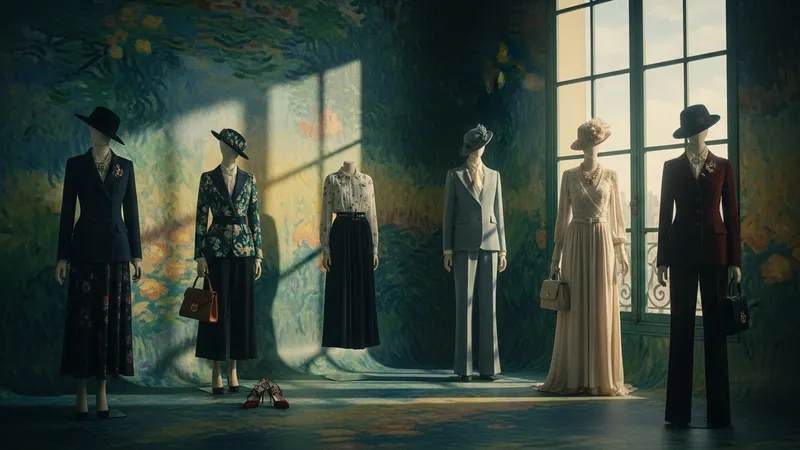
The influence of French designer apparel often extends beyond the fashion industry, impacting areas such as cinema, music, and even language. Iconic pieces or styles may be referenced in film or popular culture, reinforcing their association with certain periods, personalities, or values. Some designs become symbols of cultural identity, both within France and internationally, due to their repeated appearance in media and public events.
Collaborations between designers and artists are another avenue through which French high-end fashion exerts cultural influence. These partnerships can lead to the creation of limited-run items, installations, or public events that merge clothing with other forms of artistic expression. Such activities typically support French cultural exports while highlighting the capacity for interdisciplinary creativity within the luxury sector.
Institutions such as the Musée des Arts Décoratifs in Paris and the Palais Galliera preserve and display key garments from leading French fashion houses. These museums provide a resource for scholars and the general public, allowing for the study and appreciation of the evolution of designer apparel. The institutional recognition of high-end fashion as both an industry and an art form illustrates its ongoing role in shaping and reflecting French cultural heritage.
Sustainability has become an increasingly visible topic within the French high-end fashion industry. Many designers and brands are exploring ways to reduce environmental impacts by using responsibly sourced materials, investing in textile recycling, or developing programs for clothing repair and reuse. Transparent supply chain practices and eco-certifications may be adopted to address consumer concerns regarding production ethics and resource consumption.
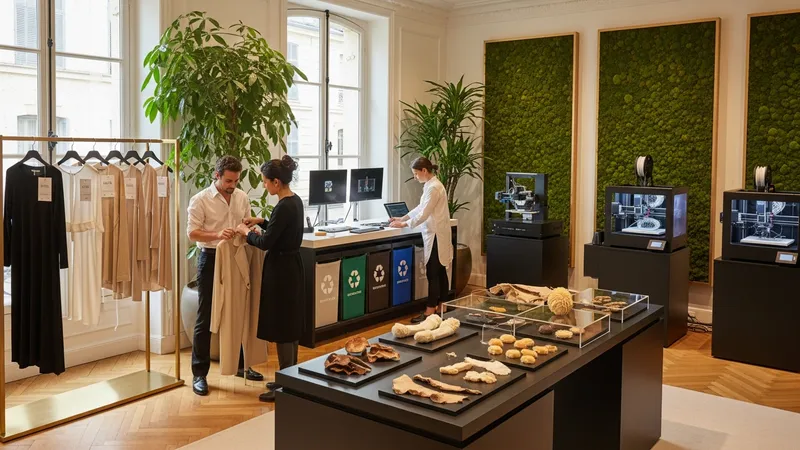
Future developments in the sector may involve technological innovation, such as the use of biodegradable fibers or digital fabrication processes. Some French luxury houses participate in industry-wide initiatives aimed at limiting waste, managing energy consumption, and supporting local artisan communities. These strategies reflect a broader shift towards a more sustainable and accountable approach to luxury apparel production.
Consumer preferences in France appear to be evolving as well, with growing interest in traceability, durability, and the ecological footprint of high-end garments. Brands are responding by providing detailed information on sourcing practices and encouraging mindful approaches to wardrobe acquisition. While these trends are still developing, they indicate a possible direction for future growth in the French designer fashion sector.
As the French high-end fashion landscape continues to change, factors such as global economic patterns, technological progress, and shifting cultural attitudes may all contribute to new expressions of luxury and style. The ongoing dialogue between heritage and innovation remains central, ensuring that French designer apparel maintains its distinctive role within both the local context and the international arena.