
Artificial intelligence (AI) is increasingly integrated into supply chain forecasting systems across the United Kingdom to enhance data analysis and support planning. These systems process large volumes of historical and current data, applying machine learning techniques to identify demand patterns, seasonal trends, and potential disruptions. AI models are designed to assist in making supply chain operations more responsive and adaptive, using statistical relationships rather than static projections.
Within the context of the UK, AI-driven forecasting systems typically utilise datasets from retail, manufacturing, and logistics sectors. They aim to supplement conventional forecasting by continuously learning from new inputs, which may include sales data, inventory levels, weather information, and even social or economic signals. These platforms are not intended to guarantee specific outcomes but can offer additional insights to help organisations manage complexity in their supply networks.

AI-based supply chain forecasting systems in the UK have become prominent due to shifts in consumer behaviour and fluctuating market demands. By blending statistical models with real-time data feeds, these solutions may support companies in anticipating demand changes and adjusting procurement or production schedules accordingly. While forecasts can remain subject to uncertainty, the use of AI can highlight probabilities and scenarios that manual analysis may not reveal.
Adaptation of these systems varies across sectors: some manufacturers integrate AI solutions to optimise their inventory turnover, while retailers may rely on them to reduce stockouts or excess inventory. The UK’s regulatory environment ensures that customer data and transactional records used for AI modelling adhere to data protection standards, such as GDPR, fostering transparency in AI system implementation.
Use of AI-driven tools is also linked to improved collaboration across different elements of UK supply chains. Distributors, suppliers, and retailers may access common forecasting insights, which can enhance communication during periods of unexpected demand or operational disruptions. Shared visibility can increase trust without removing the need for human oversight or final decision-making.
Ongoing development of AI-based supply chain forecasting in the UK often involves partnerships between technology vendors, research institutions, and businesses. This collaborative approach supports tailored model training, ensuring that the solutions remain relevant to local supply network characteristics and sector-specific requirements. Although AI brings robust analytical power, the effectiveness of these systems still typically depends on the quality and availability of input data.
In summary, AI-based supply chain forecasting systems in the United Kingdom combine historical data analysis with adaptive learning to assist in managing demand uncertainties. The next sections examine practical components and considerations in more detail.
AI-based forecasting systems deployed in the UK supply chain context often feature advanced demand sensing capabilities. These systems analyse data from diverse sources such as point-of-sale records, online transactions, and supplier inventories. Demand sensing may allow organisations to react more quickly to market changes, though results can depend greatly on the frequency and reliability of updated data streams. Such features are particularly valued in sectors with highly variable consumer demand.

Another common feature is predictive analytics. AI models may use regression analysis, clustering, and other machine learning techniques to identify potential supply or demand disruptions. In the UK, these analytic functions are commonly utilised to consider variables like regional weather patterns or public holidays, as they can significantly affect buying and logistics behaviour. Predictive analytics typically supports scenario planning instead of offering fixed conclusions.
Inventory optimisation is a further function often highlighted in AI-based supply chain forecasting tools. By modelling optimal stock levels against predicted demand and supplier lead times, these systems may help minimise holding costs and avoid shortages. UK organisations using such tools frequently set parameters to comply with local supplier agreements or supply chain regulations, which can impact the suggested inventory levels derived from the AI system.
Integration and interoperability are notable considerations for the implementation of these forecasting systems. UK-based companies may prioritise tools that integrate with established enterprise resource planning (ERP) or logistics management platforms. Seamless data integration ensures that AI-generated forecasts can be acted upon efficiently, promoting better alignment between inventory, procurement, and distribution strategies within the local context.
AI-based forecasting systems in the UK commonly incorporate structured datasets, such as historical sales figures, shipment records, and production schedules, to support model training and prediction. These data types are generally obtained from internal systems like ERP or CRM platforms hosted by retailers and manufacturers. Using robust, structured data may provide a reliable foundation for modelling recurring trends and identifying longer-term shifts in consumer demand.
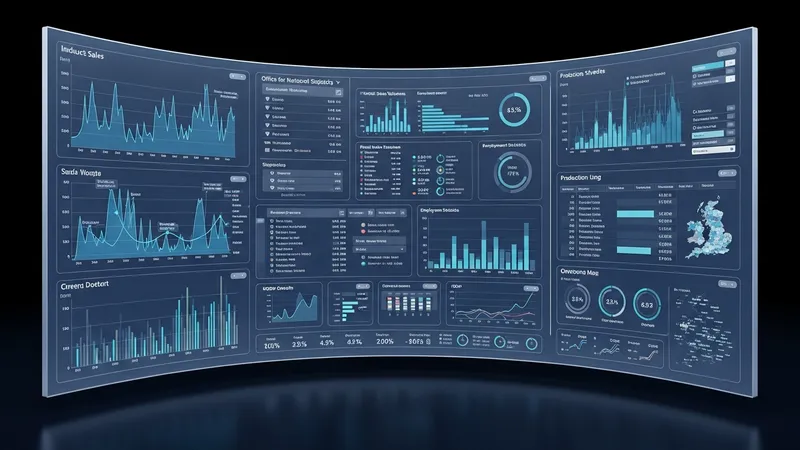
External data sources are also valuable in the UK context. AI forecasting systems may include publicly available datasets from the Office for National Statistics (ONS), weather providers such as the Met Office, and economic indicators from UK government departments. These inputs enable models to capture macroeconomic factors and local events that can influence supply chain outcomes without depending solely on organisational data.
Unstructured data, including social media sentiment and news updates, is another input sometimes factored into UK supply chain forecasts. Machine learning models can scan for changes in consumer attitudes, product popularity, or supply risk arising from logistical delays or disruption reports. This approach is still maturing but has shown potential in supporting companies to spot early signals of demand shifts, especially for promotional or seasonal lines.
Data governance is crucial in the UK due to regulations like the General Data Protection Regulation (GDPR). UK organisations must ensure compliance when collecting, storing, and processing both internal and external data. Suppliers of AI-based forecasting systems may offer features to support consent management and anonymisation, enhancing trust and regulatory alignment in the adoption of these analytical tools.
Implementation of AI-based forecasting tools in the United Kingdom often starts with an internal needs assessment. Stakeholders from procurement, logistics, and IT typically identify key performance requirements and available datasets. Pilot projects may be undertaken to determine the effectiveness of selected solutions such as SAS Supply Chain Intelligence or Blue Yonder Luminate in meeting organisational objectives specific to the UK supply chain context.

Integration with legacy systems can represent a significant technical consideration. Many UK companies maintain established ERP or warehouse management platforms, and the successful addition of AI forecasting requires careful attention to data compatibility and process alignment. Solution providers may offer consultation or custom integration support to facilitate a gradual, low-risk implementation process.
Staff training and change management are important factors in the deployment process. Users of AI-based forecasting tools in the UK may need support in interpreting AI-generated outputs and understanding their application in operational settings. Businesses frequently allocate time and resources to training, helping teams differentiate between statistical forecasts and actionable insights while maintaining oversight.
Ongoing monitoring and evaluation are generally advised once an AI system is operational. UK organisations can establish key metrics to assess forecast accuracy, system adoption, and impact on inventory or sales outcomes. Periodic reviews ensure that the forecasting model remains aligned with evolving market conditions and regulatory changes, supporting adaptive supply chain management while acknowledging the inherent uncertainties of predictive analytics.
One of the main challenges in adopting AI-based forecasting systems in the UK is data quality. Forecasting accuracy is often influenced by the completeness, timeliness, and consistency of the available data. Inconsistencies across digital platforms, or incomplete integration of supplier and customer data, can limit the reliability of AI-generated insights. Some UK businesses are addressing this by investing in improved data collection and governance.

Another challenge is model explainability and transparency. Stakeholders in the UK supply chain sector, including regulators and partners, may require clarity on how forecasts are developed and which data inputs are most influential. AI systems are increasingly expected to offer interpretable outputs and audit features, aligning with local policies on decision accountability and data transparency.
Looking forward, AI-based forecasting in UK supply chain management could see the wider use of real-time IoT sensor data, automation of warehouse operations, and deeper integration with e-commerce platforms. Artificial intelligence is likely to play a supporting role in connecting data flows from various endpoints, providing more granular insights for local retailers, distributors, and logistics firms without replacing existing management processes.
As AI technology and supply chain practices advance in the UK, partnerships between academic researchers, technology vendors, and industry practitioners may help refine models and share sector-specific findings. These collaborative efforts are expected to contribute to the ongoing adaptation of AI-based supply chain forecasting, with a continual focus on transparency, compliance, and sector relevance.