
Planning a voyage using yacht and boat rentals involves a combination of logistical and regulatory considerations. In Brazil, travelers may encounter specific rules related to navigation areas, documentation, and safety requirements. Charterers often need to assess marina services, local regulations, and the various factors that affect travel distances when selecting a rental vessel.
Understanding rental options for yachts and boats in Brazil typically requires reviewing vessel specifications, authorized waterways, and operational boundaries. Marina docking arrangements and associated fees can vary. Furthermore, costs such as fuel, crew, and maintenance are usually part of the total expense, in addition to the duration of the rental period.
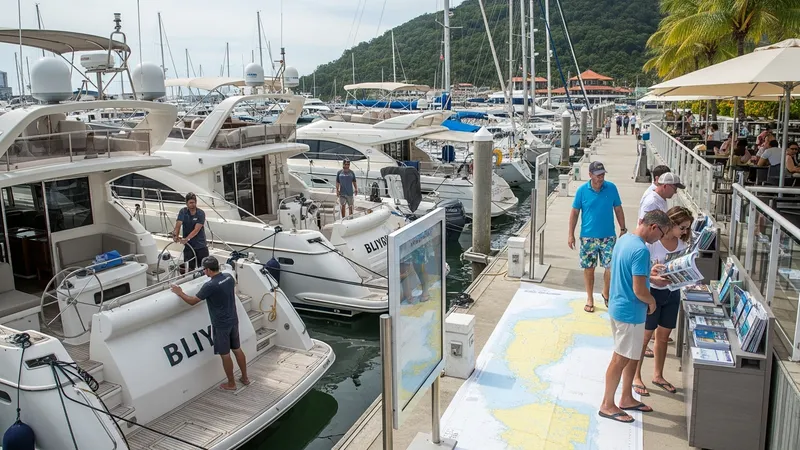
One significant consideration for those utilizing boat rentals in Brazil is compliance with national and regional safety regulations. The Brazilian Navy and local port authorities may conduct inspections to verify safety gear and licensing. Charterers should be prepared for these procedures, as operating outside of set guidelines can lead to fines or delays.
Docking options are highly dependent on the location and infrastructure of the region. In popular destinations such as Paraty, marinas often provide secure docking, provisioning services, and access to waste disposal facilities. These services can affect daily marina rates, which typically vary during peak and off-peak seasons.
Travel distance is another factor that typically influences rental planning. Many renters use local mapping services to estimate the feasible range for day trips or longer journeys. Weather conditions and currents along the Brazilian coastline may cause travel times to vary significantly from initial projections.
Determining the total cost of a yacht or boat rental involves more than just the base price per day. Additional factors, such as insurance, required crew members, and on-board provisions, often contribute to the final expenses. It may be helpful to request detailed breakdowns from marinas and boat rental providers to clarify the full scope of costs before a voyage.
In summary, renting yachts or boats in Brazil is a process that involves reviewing regulatory measures, evaluating infrastructure, and planning for practical aspects such as distance and costs. The next sections examine practical components and considerations in more detail.
Yacht and boat rental markets in Brazil typically offer a wide range of vessel types. Options may include small motorboats, sailboats, catamarans, and large yachts designed for extended voyages. Each category generally has size restrictions, capacity limits, and varying licensing requirements. Understanding these specifications is essential for selecting a vessel suitable for a planned route and passenger group.
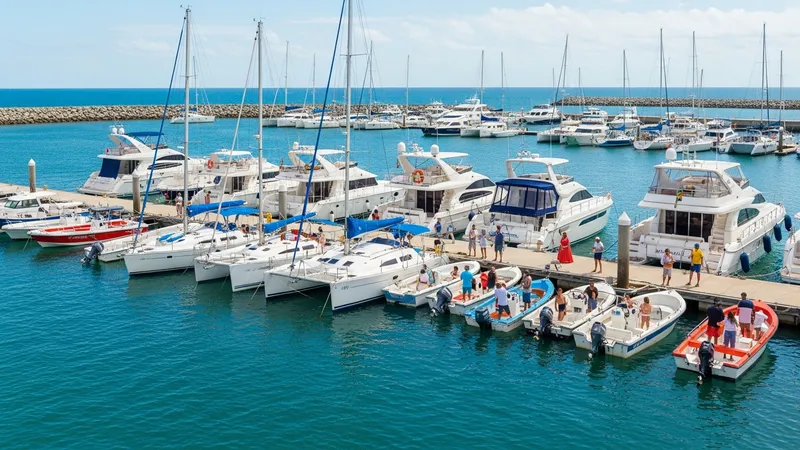
Regulatory authorities, such as the Brazilian Navy, set specific certification standards for rental vessels. These standards can cover factors such as the age and seaworthiness of the craft, installation of mandatory equipment, and adherence to maintenance schedules. Potential renters often find official lists of approved vessels through marina authorities or recognized boating associations.
When planning a voyage, the intended use of the vessel influences selection. For instance, day rentals for fishing or short excursions may require less elaborate amenities, while multi-day coastal trips may call for cabins, kitchens, and larger water storage. These features, in turn, can impact the base rental price and interaction with docking facilities.
Some providers specialize in particular vessel types, with fleets that reflect local navigation needs. In the Baía de Todos os Santos region, for example, traditional schooners (escunas) are often available for group charters, while motor yachts are common in Angra dos Reis. Prospective renters may want to compare vessel specifications and service offerings provided by different marinas in their target area.
Complying with Brazilian boating regulations is a central aspect of yacht and boat rentals. Operators are typically required to obtain official authorization for rental activity, with the Brazilian Navy (Marinha do Brasil) overseeing safety, licensing, and inspection standards. Documentation must demonstrate proof of vessel registration, up-to-date inspections, and evidence of mandatory safety equipment.
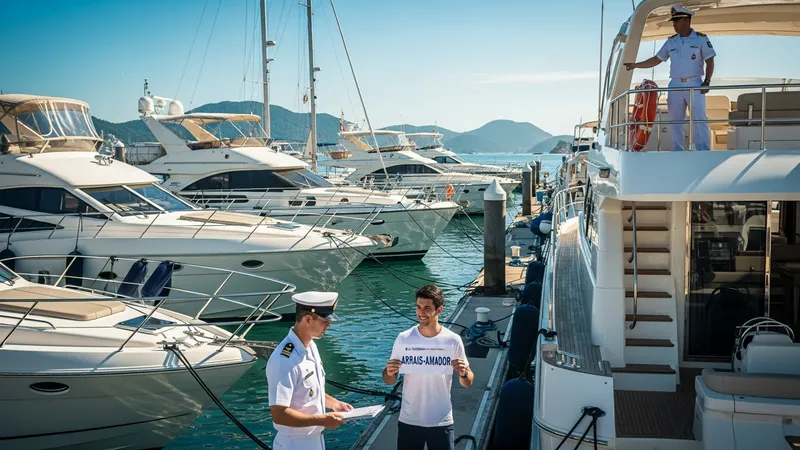
Charterers, particularly those seeking to pilot their own vessel, may need to show a valid certificate such as the “Arrais-Amador” license, which is recognized by authorities for pleasure craft operation. In some circumstances, a professionally licensed captain is mandatory, particularly for larger yachts or in commercial rental arrangements.
Inspection procedures can include checks of life jackets, signaling equipment, fire extinguishers, and emergency communications tools. Port authorities often request current documentation before approving a vessel’s departure. By maintaining a file of up-to-date documents and adhering to regulatory procedures, charterers can typically minimize delays or fines at marinas and inspection points.
Updated rules or region-specific restrictions are published on official sources such as the Navy’s Directorate of Ports and Coasts. Reviewing these guidelines prior to travel is considered a standard step for those renting boats or yachts in Brazil.
Marina infrastructure can influence the logistics and cost structure of yacht and boat rentals in Brazil. Major destinations, such as Rio de Janeiro, Angra dos Reis, and Salvador, offer a spectrum of marina services including short- and long-term docking, vessel support, refueling, and provisioning. Many marinas publish detailed service lists and rates, usually based on vessel dimensions and required utilities.
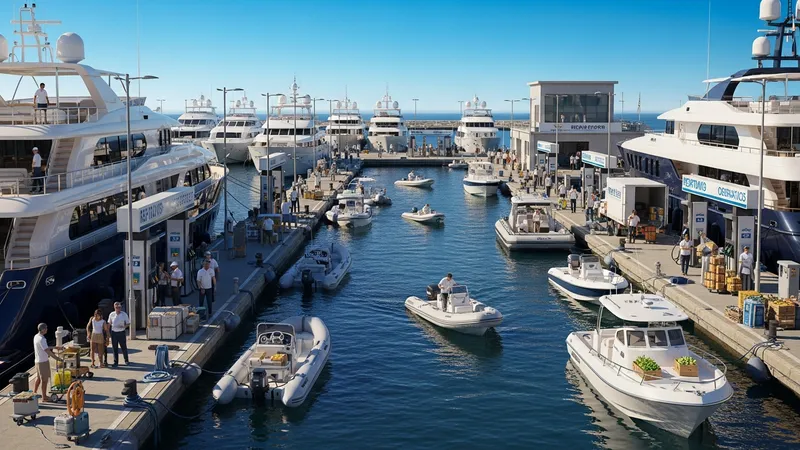
Short-term docking rates in Brazilian marinas may start at around R$70 per day for small boats, while larger vessels, requiring additional amenities or security, can incur higher fees. Some marinas offer bundled services, such as waste disposal and potable water, which can simplify logistical planning for longer voyages or stopovers.
Access to marinas can also depend on vessel draught, local tidal conditions, and limitations on the number of berths available, especially during high-traffic seasons. Charterers are typically encouraged to consider these factors when estimating travel schedules and overnight destinations. Peak periods, such as national holidays, may affect docking availability and service levels.
Many marina operators in tourist regions provide online reservation systems and up-to-date information regarding dock occupancy. Researching marina facilities and services in advance can help minimize disruptions linked to docking logistics during the voyage planning phase.
The overall cost of boating and yacht rentals in Brazil is influenced by multiple elements, including vessel type, marina services, rental period, and travel distance. Most rental agreements specify terms for included and non-included expenses, such as fuel, food supplies, and onboard amenities. The need for professional crew or captain services can also be a significant cost component for certain vessel types.
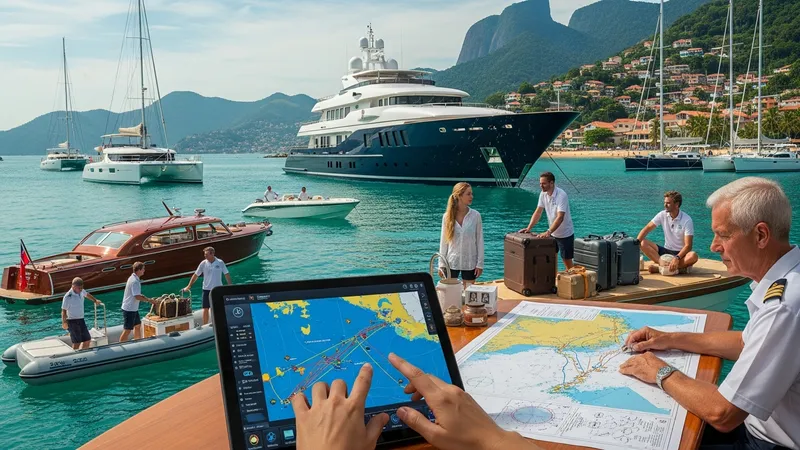
Distance planning is important, especially along the Brazilian coastline, where waterfront infrastructure and fueling stations are not evenly distributed. Many charterers use digital navigation apps and official charts to estimate feasible distances for day or overnight trips. Factoring in local weather conditions and current patterns is essential, as these can affect fuel consumption and actual travel times.
Typical pricing structures in Brazil’s maritime sector range from hourly or daily rates for small boats up to weekly charges for luxury yachts. Advance inquiries with marinas can provide estimated ranges, which often start at about R$600 per day for basic motorboats and may increase substantially for larger or more equipped vessels.
Calculating total expenditure before a voyage is a commonly recommended step, as unanticipated costs may arise from service charges, insurance, or regulatory compliance. Gathering detailed estimates from preferred providers can support realistic budgeting and help align plans with available resources.