
Modern meeting environments are designed to support diverse working styles and collaboration needs. Two widely recognized formats are traditional meeting rooms and collaborative spaces. Traditional meeting rooms often feature structured seating and a focus on formal presentations, while collaborative spaces generally provide flexible layouts equipped with digital amenities for group interaction. Understanding the differences between these settings is essential for organizations seeking to enhance engagement and productivity, particularly within the context of Hong Kong’s business ecosystem.
Key differences may be observed in layout design, availability of technology, and user experience. Traditional meeting rooms typically utilize fixed boardroom or classroom seating arrangements and prioritize privacy or a singular speaker format. By contrast, collaborative spaces in Hong Kong are increasingly adopting modular furniture and integrated technology, such as wireless display screens and mobile whiteboards, to facilitate dynamic teamwork and creative problem-solving.
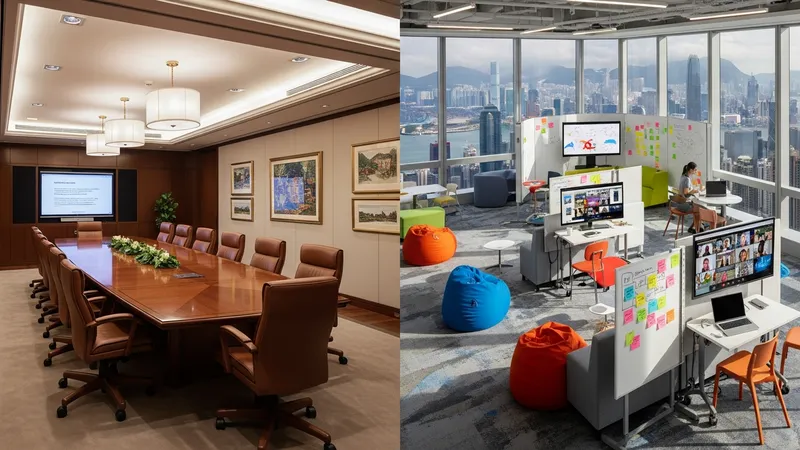
Seating configuration is a prominent distinction. Traditional meeting rooms in Hong Kong often follow a formal boardroom layout, supplying a sense of order and clear lines of authority. This structure may support focused presentations and confidential discussions but can limit lateral communication among participants. Collaborative spaces, by contrast, typically offer modular seating and open zones that may foster creativity and joint problem-solving.
Technology integration also demonstrates clear division. Conventional rooms in Hong Kong might provide basic audiovisual tools and projection screens suitable for prepared presentations. In collaborative environments, participants often have access to portable devices, smart screens, and high-speed wireless connectivity, which can support more interactive activities such as brainstorming or live document editing. These capabilities may be particularly useful for organizations navigating remote work or hybrid arrangements.
Engagement style tends to differ as well. Traditional meeting spaces can promote structured communication flows led by a single speaker or presenter. Collaborative zones in Hong Kong, by offering moveable partitions and mixed-use zones, may encourage greater engagement and spontaneous sharing of ideas among smaller teams or project groups.
Cost structures can vary. Traditional meeting room designs in Hong Kong generally feature higher initial fit-out expenses linked to permanent fixtures and AV installations. Collaborative space configurations, while potentially requiring investment in technology and adaptable furniture, may provide ongoing value through flexible use and the ability to reconfigure as business needs evolve. The overall cost may also be influenced by technology leasing, workspace management, and utility considerations.
In summary, traditional and collaborative meeting rooms serve distinct needs in the Hong Kong professional landscape. Their differences reflect broader trends in workplace strategy, engaging staff with either structured formality or flexible interactivity. The next sections examine practical components and considerations in more detail.
Layout design is a fundamental aspect distinguishing traditional and collaborative meeting spaces in Hong Kong. Traditional rooms tend to rely on fixed tables and seating configurations, often tailored for presentations or board meetings. Such setups may maximize privacy and are frequently selected for discussions requiring confidentiality or a defined speaking order. Collaborative spaces, in contrast, prioritize adaptable layouts. These may feature mobile furniture, writable walls, and open zones that can be rearranged to suit workshop sessions, project discussions, or informal gatherings. Flexibility in design can allow organizations to adjust their use of space according to evolving needs or meeting sizes.
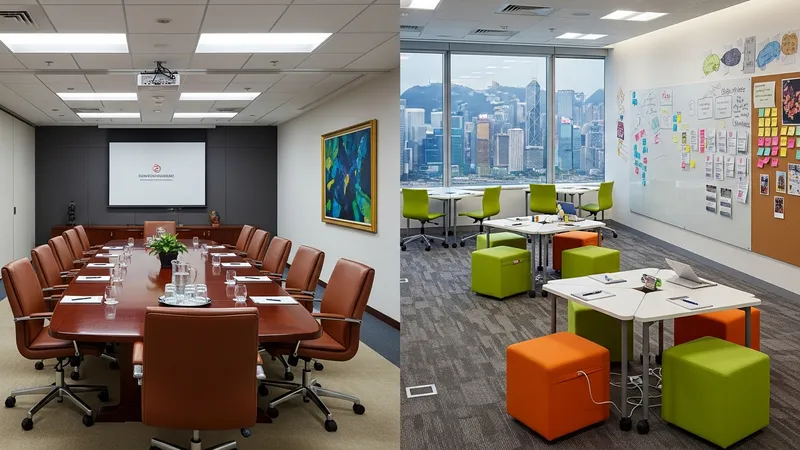
Space utilization is another key difference in the Hong Kong context. Conventional meeting rooms often operate as dedicated environments with limited scheduling flexibility, used predominantly for prearranged or formal sessions. Collaborative spaces, on the other hand, are frequently located within shared office floors and may be reserved or accessed for spontaneous interaction among staff or project teams. This multipurpose approach can help optimize office real estate, especially in central Hong Kong where space constraints are notable and efficient allocation is important for cost control.
Privacy and acoustics are typically managed differently between the two formats. Traditional rooms are usually designed with enclosed walls and soundproofing measures to support uninterrupted, confidential communication. Collaborative areas may use semi-open partitions and sound-absorbing materials to balance openness with a reasonable degree of auditory separation, supporting both group work and individual concentration when needed. The physical environment can influence participants’ perception of privacy and willingness to contribute.
Accessibility within each meeting environment differs as well. Traditional rooms are sometimes located in less trafficked areas to ensure privacy for executive-level gatherings. In contrast, collaborative zones are generally placed in central or high-traffic areas of the workplace to encourage frequent use by various teams. This positioning can support a culture of open communication and cross-department collaboration, both of which are emphasized in many contemporary Hong Kong organizations.
The integration of technology is a significant differentiator between conventional meeting rooms and modern collaborative spaces in Hong Kong. Traditional rooms may provide standard equipment, such as projectors, fixed conference phones, and basic video conferencing tools. These solutions typically support structured presentations and planned discussions. Installation tends to be permanent, supporting the consistent delivery of formal content but limiting adaptability for spontaneous or interactive use cases.
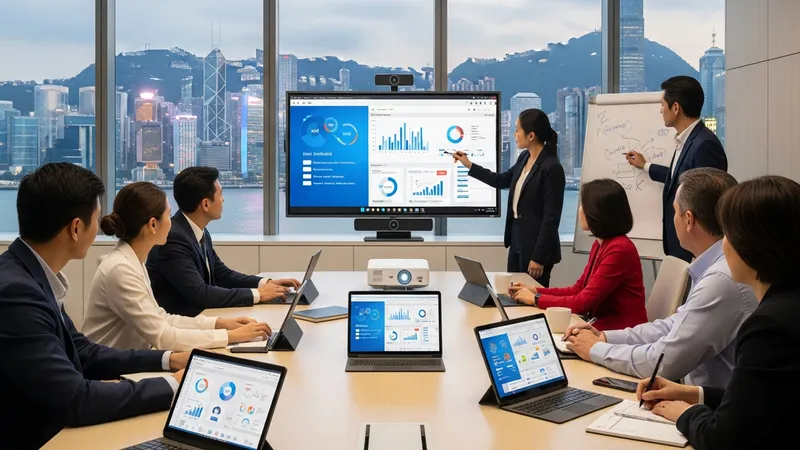
Collaborative spaces often adopt advanced technology to enable fluid interaction among participants. Wireless presentation screens, interactive whiteboards, and portable conferencing solutions are common features in Hong Kong’s co-working facilities and forward-thinking corporate offices. Cloud-based collaboration tools may be integrated with meeting hardware to facilitate document sharing and real-time annotations. This technological flexibility can support brainstorm sessions as well as hybrid meetings involving remote participants.
Security considerations are relevant when integrating technology into meeting environments. Traditional rooms may offer enhanced data privacy due to controlled access and static devices. Collaborative spaces, relying on shared or cloud-connected devices, may require additional safeguards such as secure user authentication or encrypted wireless networks, especially when sensitive organizational data is discussed.
The cost of technology integration in Hong Kong can vary widely. Traditional AV installations may require significant upfront investment but tend to have predictable operational costs. Collaborative space equipment, including wireless connectivity and digital collaboration platforms, may be leased or procured on a subscription basis. Organizations often consider both direct expenditures and long-term adaptability when selecting meeting room technology for their Hong Kong offices.
Occupant engagement strategies vary significantly between traditional meeting rooms and collaborative environments in Hong Kong. In traditional settings, meetings often follow an agenda led by a designated speaker or chairperson. The seating arrangement usually focuses attention on the presenter, reinforcing a hierarchical communication structure. This format may be suitable for briefings, negotiations, or official presentations, but may restrict active participation by attendees not in leadership roles.
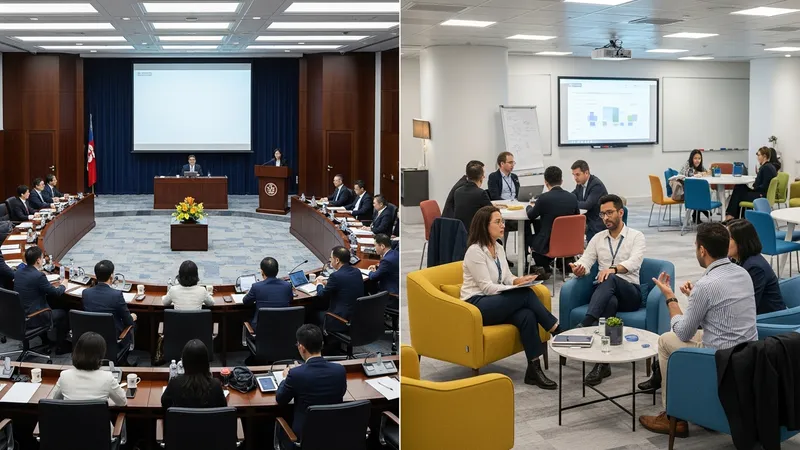
Collaborative spaces, in contrast, typically encourage equal input by removing hierarchical barriers. Round tables, group clusters, and open zones invite dialogue and may empower participants to contribute ideas freely. The physical setup can prompt spontaneous exchanges and lateral communication, particularly when supported by collaborative technology. This dynamic can be valuable during project planning sessions, creative discussions, or cross-departmental meetings.
Hybrid meeting rooms, a concept growing in Hong Kong, support multiple engagement models. By offering both formal presentation tools and informal breakout areas, these spaces enable meeting hosts to adapt engagement strategies to different objectives, such as holding a formal report followed by a workshop activity. This flexibility can help address various organizational needs within a single facility.
Designating room functions according to engagement goals is common in Hong Kong organizations. For example, executive suites may preserve a formal meeting room for sensitive discussions, while teams engaged in innovation projects may reserve open collaborative zones. Awareness of engagement styles often guides office space planning and can influence the perceived productivity of meetings in the Hong Kong professional environment.
Budget allocation for meeting spaces in Hong Kong is shaped by initial fit-out costs, technology procurement, and long-term adaptability. Traditional meeting rooms generally require higher upfront investment in custom furnishings, fixed AV systems, and built-in infrastructure. These spaces are designed for longevity and may be renovated less frequently, reflecting longer depreciation cycles associated with their fixtures and finishes.
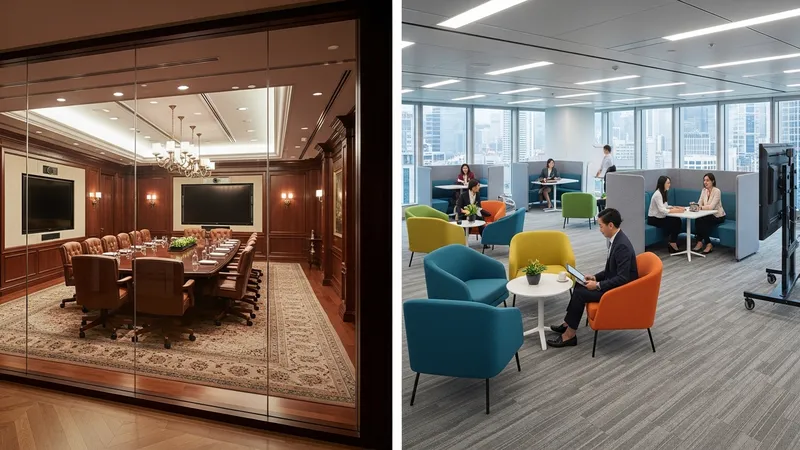
Collaborative spaces, while also requiring quality furnishings and advanced technology, are typically designed for ongoing adjustments. Moveable partitions, modular seating, and lease-based technology solutions can allow local organizations to reconfigure layouts as their needs shift. This adaptability may help amortize investment over time and align with evolving business strategies. Maintenance costs for collaborative areas can fluctuate depending on frequency of use and the lifespan of technology employed.
Operational efficiency is a recurring consideration. Traditional meeting rooms in Hong Kong may sit unused outside of scheduled appointments, contributing to less-than-optimal use of prime office real estate. Collaborative spaces, by supporting open booking systems and a variety of use cases, may improve space utilization rates and contribute to more efficient cost-per-user metrics. Organizations often analyze meeting room usage data to inform future investment or redesign decisions.
External factors, such as rental costs in central Hong Kong and demand for hybrid work solutions, influence the long-term value assessment of meeting room investments. Some businesses choose to supplement in-house facilities with third-party serviced spaces. This practice allows for scaling up or down according to need without significant capital expenditure. Organizations considering such options generally assess the trade-offs involved based on their own operational requirements and workflows.