
Modern workspace design refers to the practice of creating office environments that support productivity, well-being, and adaptability through the use of ergonomic setups, efficient lighting, and layout flexibility. In Hong Kong, this approach considers limited floor space, evolving technology, and workplace culture to optimize both focus and comfort. The elements of contemporary design are chosen to align with the specific requirements of urban office environments, allowing organizations to enhance work experiences while adapting to operational needs.
Key components in modern workspace design generally include ergonomic furniture to reduce physical strain, extensive use of natural or adjustable lighting to improve visual conditions, and adaptable layouts that may suit a variety of tasks. These elements are commonly integrated to address the fast-paced and high-density context of Hong Kong offices. Selection of furniture, fixtures, and technologies is often balanced with cost considerations, space restrictions, and the intended business activities within the workspace.
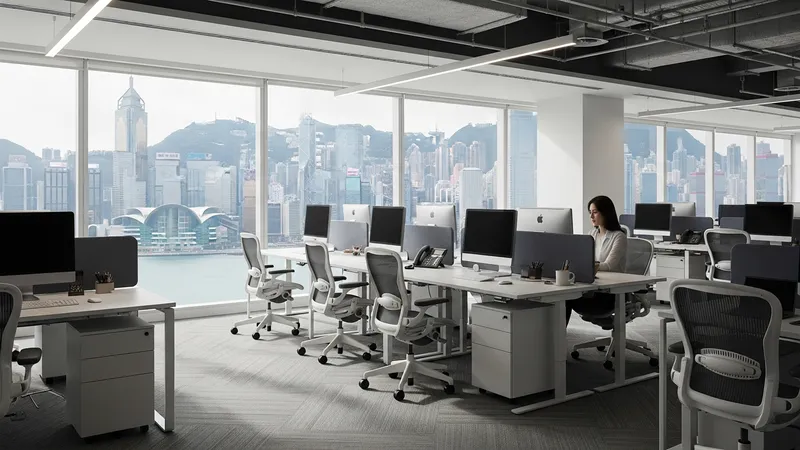
Modern workspace design in Hong Kong often emphasizes furniture that can be adjusted to suit the physical requirements of different users. Ergonomic chairs and sit-stand desks are typical features in such environments and have been found to decrease discomfort associated with extended periods of sitting. These furnishings may contribute to better concentration and overall work satisfaction, although individual needs and preferences can influence outcomes.
Lighting plays a significant role in modern office environments. Effective use of daylight, as well as installation of LED lighting systems that mimic natural light conditions, may help reduce eye strain and create a more inviting atmosphere. This is particularly relevant in dense urban areas such as Hong Kong, where access to windows may be limited. The placement and type of lighting should be carefully planned according to workspace layout and functional zones.
Flexible layouts are another hallmark of modern workspace design in Hong Kong. Offices are increasingly incorporating movable partitions, modular desks, and shared zones that enable companies to adjust spaces easily as team sizes or project needs change. This flexibility can support a range of collaborative and individual working modes, making efficient use of available square footage in commercial buildings where cost per square meter is a key concern.
Technology integrations such as wireless charging, video conferencing tools, and occupancy sensors may also feature prominently in Hong Kong workspaces. These solutions are selected not only for convenience, but also to streamline communication and facilitate smart resource use. Implementation of these technologies is typically planned in parallel with fundamental aspects of design and may impact renovation or setup costs.
In summary, modern workspace design in Hong Kong draws on a combination of ergonomic furniture, efficient lighting, flexible layouts, and technology to create supportive office environments. The following sections examine practical components and considerations in more detail.
Ergonomics is a critical element in modern workspace design, particularly in the context of Hong Kong’s urban offices where employees may spend significant amounts of time at their desks. Ergonomic task chairs and adjustable desks are integrated to help reduce physiological discomfort, especially for those who have sedentary job roles. The design and selection of these items generally account for the need for lumbar support, seat adjustability, and ease of movement in limited spaces.
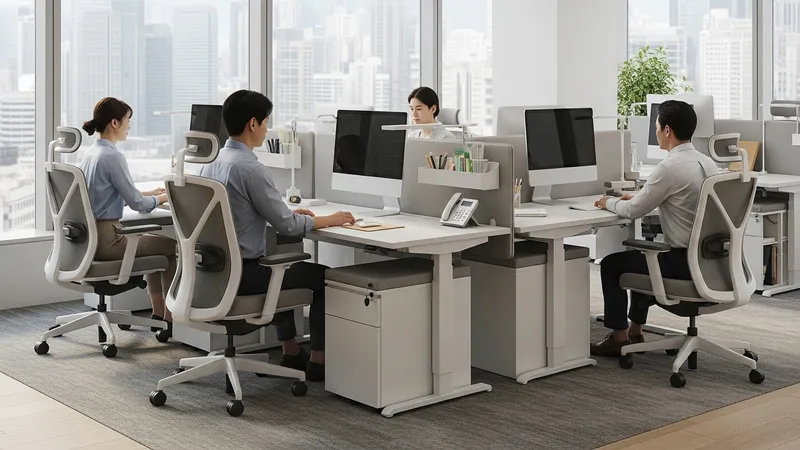
The prevalence of ergonomic seating, such as iconic models available in the Hong Kong market, reflects widespread awareness of occupational health considerations. Research conducted locally and internationally tends to show that adjustable chairs and height-variable desks can help alleviate musculoskeletal complaints. However, benefits may vary based on correct setup and personal usage habits, which highlights the importance of user education alongside equipment choice.
Cost considerations are particularly relevant in the Hong Kong environment, where office furniture may be sourced both locally and internationally. Prices for ergonomic chairs may range widely, influenced by brand, adjustment mechanisms, and imported material fees. Organizations typically balance investment in high-quality furniture with tenant budgets and anticipated maintenance needs over time.
Physical comfort is also tied to the spatial arrangement around workstations. In high-density areas such as Hong Kong Island, designers may carefully plan for walkway clearances, monitor height, and accessory placement to enhance workspace ergonomics. These aspects influence how easily workers can transition between tasks or collaborate without unnecessary strain or interruption, supporting sustained productivity.
Lighting design plays a fundamental role in shaping modern workplace environments in Hong Kong. Offices may utilize a mix of natural and energy-efficient artificial lighting to create conditions that support alertness and reduce visual fatigue. Adoption of LED fixtures and daylight simulation technology is increasingly common in commercial interiors seeking to balance energy use with workplace comfort.
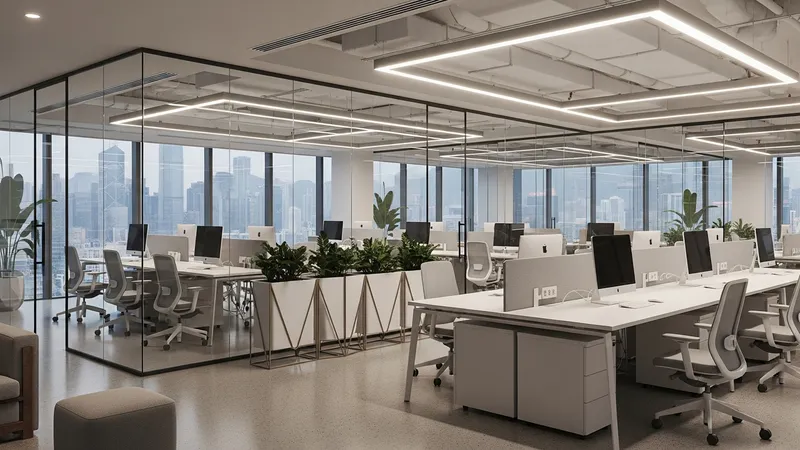
Access to daylight can be limited in many Hong Kong office buildings due to their layout or external shading. As a result, design strategies often incorporate indirect lighting, light shelves, or glass partitioning to distribute daylight effectively across interior spaces. The use of tunable LED systems that adjust color temperature throughout the day may further contribute to promoting a sense of well-being among employees.
Lighting choices may affect productivity in measurable ways. Studies in Hong Kong and similar urban environments suggest that lighting systems configured to align with workers’ circadian rhythms could result in higher reported comfort levels. These systems also tend to support reduced energy expenditure when combined with occupancy sensors or daylight harvesting controls, which are considerations frequently evaluated in local energy audits.
From a cost perspective, the initial investment in energy-efficient lighting systems is balanced against long-term savings in electricity consumption and maintenance. In Hong Kong, rebates or consultation on energy-saving projects may be available through programs such as the CLP Energy Saving Scheme, offering further data-driven guidance for organizational decision-making.
Flexible office layouts are a distinguishing aspect of modern workspace design in Hong Kong, reflecting the need for adaptability in compact and high-cost commercial settings. Modular furniture, movable partitions, and versatile collaboration areas are used to accommodate shifting team dynamics and project requirements without significant downtime or renovation.
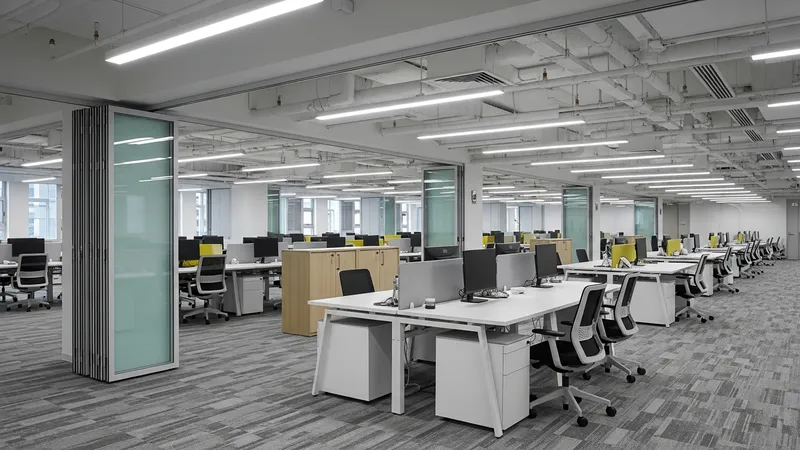
These layouts enable organizations to reconfigure spaces for large meetings, focused individual work, or informal discussions. In Hong Kong, this adaptability is particularly valuable as many businesses operate within limited square footage, making efficient spatial use a key driver in workspace planning. Some projects also incorporate folding walls or multipurpose rooms to further boost utilization rates.
Costs for implementing flexible layouts can range significantly, depending on material choices, complexity of movable elements, and ongoing facility management. While the initial outlay may be higher for systems with mechanical or architectural flexibility, ongoing occupancy cost savings and improved spatial efficiency are factors that organizations typically weigh during planning stages.
Real-world examples in Hong Kong include serviced office providers and corporate headquarters adopting modular designs. These setups not only respond to evolving workforce numbers but also support health considerations by making it easier to adapt shared spaces for distancing or increased sanitization when needed.
Technology integration is a core aspect of modern workspace design strategies within Hong Kong. Offices increasingly rely on digital infrastructure such as high-speed internet, video conferencing solutions, and smart office controls to facilitate communication and streamline workplace operations. These integrations are planned to complement furniture and spatial design rather than operate as standalone additions.
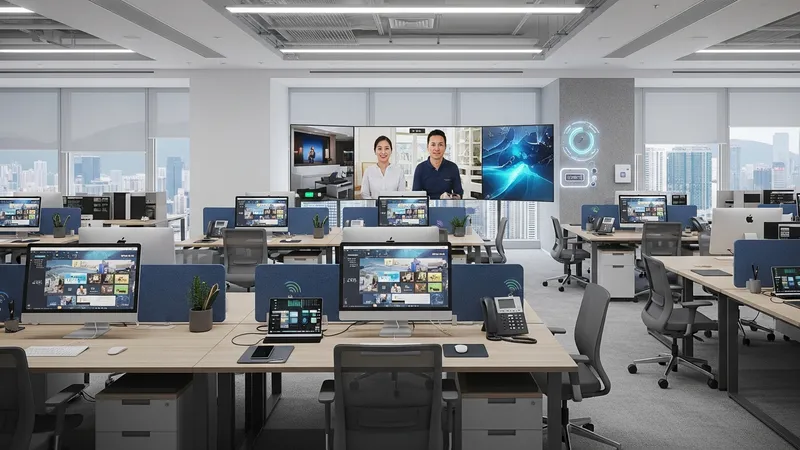
Common technologies found in Hong Kong offices include wireless charging stations, desk booking applications, air quality sensors, and automated shading systems. These tools may help companies optimize resource use, monitor environmental quality, and offer greater flexibility for both remote and onsite employees. Data security and network robustness are additional factors considered during technology selection.
Investments in technology can vary widely. For example, installing occupancy sensors and smart lighting controls may range from HK$5,000 to HK$20,000 for a medium-sized office, depending on system scale and integration complexity. Organizations in Hong Kong often assess potential operational savings and staff satisfaction when deciding on these upgrades, sometimes accessing expert consultation through local office design specialists.
Overall, the integration of modern technologies provides Hong Kong workplaces with tools to improve workflow efficiency, adapt to evolving working patterns, and support data-informed facility management. These elements are routinely reviewed for compatibility with other workspace features and compliance with local regulations on building systems and digital infrastructure. This comprehensive approach continues to shape the trajectory of modern office design across Hong Kong.