
The concept of Greek investment focuses on the various factors that shape economic activity, financial growth, and market participation within Greece. This encompasses the country’s economic structure, regulatory environment, and the role of both domestic and international investors. Understanding Greek investment requires examining historical patterns, policy influences, and the present-day context in which investment decisions are made. The interplay between local business dynamics and international capital flows often determines the potential risks and opportunities associated with investing in Greece.
The Greek investment landscape is shaped by multiple elements, including governmental reforms, market liberalization efforts, and external economic influences. Following notable financial challenges in previous decades, Greece’s investment profile has gradually shifted, with a focus on sectors such as tourism, shipping, real estate, and renewable energy. Policy developments and alignment with European Union frameworks continue to inform the investment process, while investor confidence is impacted by both national reforms and global market trends.

The Greek investment environment is influenced by national policy initiatives, such as structural reforms aimed at fiscal stability and economic diversification. Authorities may introduce policies designed to stimulate investor engagement through tax frameworks, licensing simplification, and sector-specific incentives. These measures are often evaluated by investors seeking predictable regulatory environments and transparency in legal processes.
Market trends highlight the significance of sectors like energy transition and technology-driven enterprises. Investments in renewable energy, for example, are often characterized by collaborations between state entities and private companies. The growth of service-oriented ventures, particularly in shipping and logistics, typically reflects ongoing adaptation to global market requirements and changing consumer behaviors.
The regulatory framework plays a central role in determining how capital enters and moves within Greece. Institutions such as the Hellenic Capital Market Commission and relevant EU directives commonly establish criteria for market practices, reporting requirements, and investor protections. Regulatory clarity and alignment with international standards are frequently priorities for stakeholders engaging with Greek investment opportunities.
Challenges associated with Greek investment may include economic volatility, fluctuating credit ratings, and shifts in the broader Eurozone context. Local businesses and foreign investors are often attentive to risks such as geopolitical developments, fiscal pressures, and administrative complexities. In this environment, diversification and a sound understanding of market fundamentals tend to support more informed investment decisions.
Summarizing, Greek investment encompasses a system shaped by evolving economic policies, sector-specific developments, and regulatory influences. The next sections examine practical components and considerations in more detail.
In the context of Greek investment, several sectors have historically attracted significant capital and continue to shape the broader economic outlook. Tourism remains a consistent driver, with Greece’s diverse islands and cultural sites drawing international visitors, encouraging hospitality infrastructure and related service investments. The shipping industry is another long-standing pillar, as Greece manages a heavily utilized merchant fleet contributing substantially to export earnings and employment. These sectors create a foundation from which adjoining industries, such as real estate and transport logistics, derive further activity.
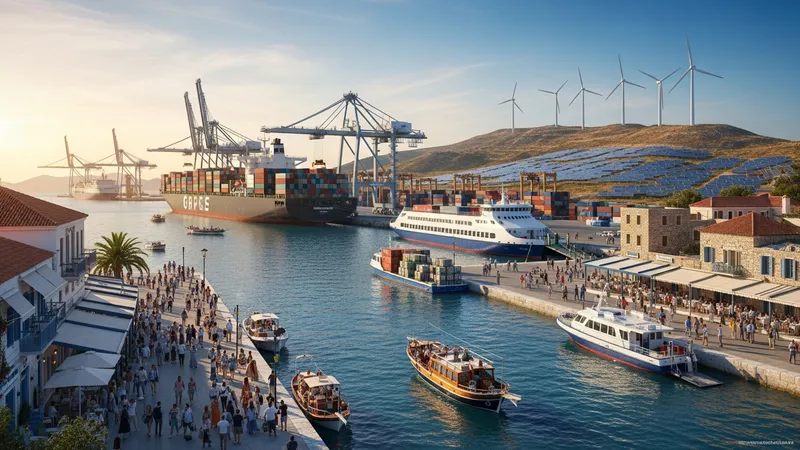
Energy development, particularly in renewables, is a growing facet of Greek investment. Greece’s geographic position and climate conditions may support the expansion of solar, wind, and hydroelectric projects. Investors in this area typically analyze factors such as regulatory stability, potential partnerships, and long-term sustainability goals. Government incentives and European climate targets can also influence the volume and focus of investments in this domain.
Real estate sees activity centered on urban renewal, tourist accommodations, and commercial development. Both domestic and foreign investors examine local demand, property law clarity, and the overall macroeconomic environment when considering these assets. In some cases, citizenship-by-investment schemes and urban revitalization plans have increased the international profile of the Greek real estate sector, though these programs may be subject to regulatory adjustments.
Technology and innovation-oriented ventures increasingly form part of the Greek investment narrative. Start-up initiatives, digital services, and tech infrastructure projects may benefit from specialized support schemes and access to skill pools from Greek universities. These activities often involve collaboration with EU innovation networks and regional funding mechanisms, contributing to the sector’s dynamic development and integration within the global digital economy.
The regulatory environment is fundamental to Greek investment activity. National bodies, such as the Hellenic Capital Market Commission, oversee market conduct, safeguard investor interests, and implement compliance standards. Greek investment law often aligns with European Union regulations, particularly regarding investor protections, anti-money laundering processes, and corporate governance. Such frameworks are regularly updated to reflect changes in the international investment climate and domestic policy goals.
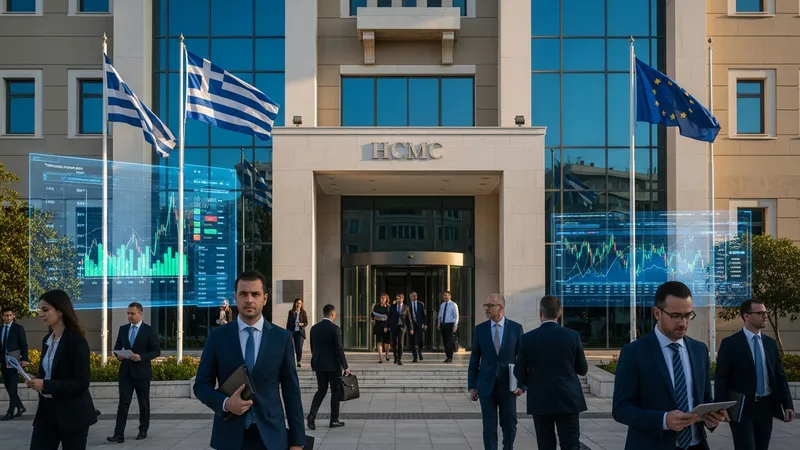
Institutional support organizations, including Enterprise Greece and the Bank of Greece, provide official data, guidance, and oversight for investment flows. These entities may coordinate with international bodies to promote standards harmonization and transparency in reporting procedures. The presence of such institutions can help inform stakeholder expectations and align investment practices with recognized norms.
Legal requirements often center around licensing, property rights, and disclosure obligations. Prospective investors are typically required to demonstrate compliance, ensure clear title in property transactions, and adhere to sector-specific guidelines, especially in regulated industries like finance and energy. Regulatory clarity, alongside timely updates, often contributes to consistency in investment environments.
Taxation frameworks play a role in shaping investment outcomes. Greece’s corporate tax rates, value-added tax provisions, and special investment incentives are periodically reviewed to encourage economic growth while maintaining government revenue. Clarity in taxation policy can help foster investor confidence, although the complexity of compliance requirements is an acknowledged consideration within the Greek market.
Recent Greek investment trends indicate a shift toward sectors aligned with sustainability, technology integration, and export orientation. Renewables, digital infrastructure, and tourism enhancement projects have recorded heightened attention, often supported by EU funding streams and bilateral investment agreements. These trends are shaped by local economic cycles, global demand, and public policy adjustments designed to improve competitiveness and resilience.

The role of foreign direct investment in Greece continues to evolve. Data from various Greek authorities suggest that FDI flows may fluctuate in response to macroeconomic developments, such as credit rating changes, fiscal reforms, and external shocks. Investors, in many cases, prioritize stable tax regimes, regulatory transparency, and access to skilled labor when evaluating Greek opportunities. Aligning national strategies with wider European frameworks tends to facilitate flows of international capital.
Innovation-driven segments, including digital health, financial technology, and smart logistics, are gradually expanding within the Greek investment landscape. These fields often attract venture capital and grants, supporting start-ups and research collaborations. Adoption rates may vary across regions and industries, but technology adaptation is increasingly seen as a component for competitiveness both domestically and in export markets.
Risk management remains a recurring theme for investors. Volatility in sectors such as real estate or Greek government bonds may be addressed through portfolio diversification, engagement with local advisors, and continual monitoring of policy updates. Evaluating long-term sector potential alongside short-term volatility often guides prudent investment planning in the Greek context.
Greek investment activity may be affected by a range of operational, economic, and geopolitical challenges. Economic reforms, while facilitating stability, sometimes introduce adaptation costs for businesses. Changes in regulatory regimes or international policy contexts, such as new EU directives or shifts in regional trade relationships, can reframe potential returns and compliance obligations for stakeholders.

Fiscal pressures and public debt considerations are persistent factors influencing Greek investment sentiment. Credit ratings and sovereign bond performance are monitored by both investors and regulatory agencies, given their linkages to borrowing costs and market confidence. Forward-looking approaches frequently assess scenarios for debt sustainability and possible impacts on investor risk profiles in Greece.
Demographic trends and labor market dynamics may influence investment decisions on a sectoral basis. Issues such as workforce skill levels, youth unemployment, and urbanization patterns affect both real estate investments and the broader economic development agenda. Policymakers are often engaged in efforts to improve education, support entrepreneurship, and address regional disparities that have implications for sustainable investment growth.
Looking ahead, Greek investment is expected to remain shaped by its adaptation to regional and global economic developments. Efforts toward digital transformation, renewable energy expansion, and regulatory modernization could form core components of the landscape. Continued dialogue between authorities, businesses, and international partners may contribute to policy alignment and gradual strengthening of Greece’s investment profile.