
Understanding the range of breast cancer treatment options involves examining several methods that are currently applied in Thailand’s medical and research communities. These approaches, designed and evaluated through ongoing clinical trials and research studies, emphasize a combination of established and evolving strategies. Research in this field carefully considers how treatment types may interact with patient characteristics, regional guidelines, and local healthcare capacities.
Several key approaches are being studied and implemented in Thailand. Clinical strategies often center on balancing therapeutic effects with safety, quality of life, and accessibility within the Thai healthcare system. Treatments are frequently discussed in multidisciplinary contexts to address diverse patient needs, healthcare availability, and scientific evidence resulting from both local and international studies.

Breast cancer surgery in Thailand generally encompasses mastectomy and breast-conserving techniques, developed further through ongoing clinical research. The choice of surgical intervention may depend on factors such as tumor size, location, and stage at diagnosis. Thai medical centers often collaborate with global organizations to refine guidelines that are suitable for regional patient populations, aiming to optimize both clinical outcomes and patient experiences.
Radiation therapy, widely available at specialized hospitals across Thailand, typically follows surgery or is used in coordination with systemic therapies. Research in Thailand often investigates ways to tailor radiation protocols to individual risk profiles, with attention given to minimizing adverse effects while maintaining therapeutic benefits. Access to advanced radiation techniques has expanded in recent years due to investments in oncology infrastructure.
Systemic therapies, including chemotherapy, hormone therapy, and targeted agents, are regularly incorporated into breast cancer treatment plans within Thailand. These methods, which may be provided in both public and private hospitals, are generally guided by molecular and pathological tumor characteristics. Ongoing Thai studies examine not only the efficacy but also the cost-effectiveness and long-term impact of these regimens on patient populations under the country’s healthcare system.
Clinical trials in Thailand play a significant role in expanding available treatment options, with a focus on integrating new evidence into everyday practice. Research collaborations between Thai universities, the Ministry of Public Health, and international partners contribute to guideline development and improvements in patient care pathways. Clinical data generated in the Thai context may provide new insights applicable to similar healthcare environments.
In summary, the selection and refinement of breast cancer treatment options in Thailand are shaped by multidisciplinary collaboration, clinical research, and ongoing evaluation of patient-specific and systemic factors. The next sections examine practical components and considerations in more detail.
Surgery remains an essential component of breast cancer management in Thailand. Common procedures include mastectomy, which involves removal of the whole breast, and breast-conserving surgery, where only the tumor and a margin of surrounding tissue are excised. The choice between these approaches often takes into account tumor characteristics, patient preferences, and diagnostic findings from local healthcare facilities. Thai practice tends to follow recommendations from the Ministry of Public Health, which emphasize individualized care.

Several leading Thai hospitals, such as the National Cancer Institute of Thailand and King Chulalongkorn Memorial Hospital, offer surgical services supported by multidisciplinary teams. These teams typically consist of surgeons, oncologists, radiologists, and pathologists to ensure that surgical interventions integrate smoothly with other treatment modalities. Coordination among these professionals seeks to maximize therapeutic outcomes and promote recovery.
Cost considerations for surgery in Thailand can vary based on hospital type, the complexity of the case, and the patient’s insurance coverage. For example, procedures in public institutions may be covered under the Thai Universal Coverage Scheme, which typically alleviates financial burdens for eligible patients. Research studies in the Thai context frequently evaluate the accessibility and affordability of surgical care for diverse patient groups.
Post-surgical care is a vital part of the treatment process and may involve monitoring for complications, follow-up imaging, and rehabilitation support. Thai guidelines emphasize regular assessment to detect any recurrence or side effects, as early intervention may improve prognosis. Educational programs in Thailand also offer information to patients and families about the recovery process and practical self-care considerations following surgery.
Radiation therapy plays a central role in breast cancer management across Thailand. Often administered after surgery, its primary purpose is to reduce the likelihood of local recurrence by targeting any remaining cancer cells in the breast or regional lymph nodes. The majority of large Thai hospitals, such as Siriraj Hospital and Ramathibodi Hospital, possess facilities for delivering conventional external beam radiation as well as more advanced techniques like intensity-modulated radiotherapy (IMRT).
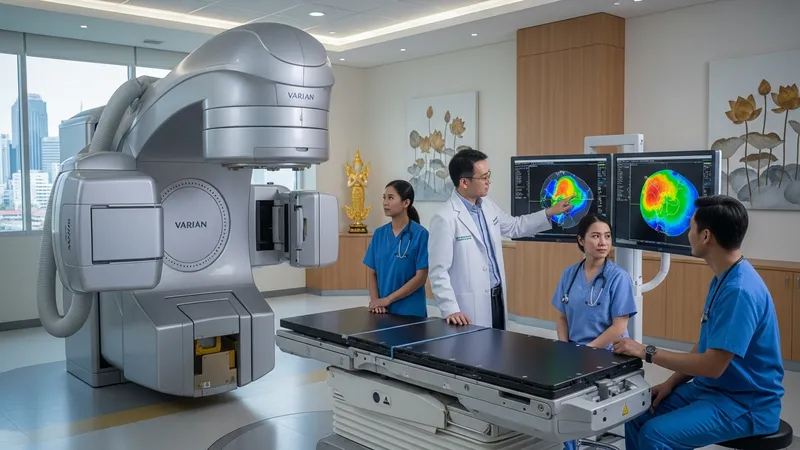
Research efforts in Thailand are directed toward optimizing radiation schedules and minimizing potential side effects. Studies frequently assess outcomes such as skin changes or fatigue, aiming to tailor regimens for Thai patient populations with consideration for genetic or lifestyle factors unique to the region. Professional societies in Thailand, including the Thai Society for Therapeutic Radiology and Oncology, contribute to the development of guidelines that reflect evolving evidence.
Accessibility to radiation therapy has grown in recent years due to increased investment in public healthcare infrastructure. The Thai Ministry of Public Health has expanded radiation services to regional hospitals, reducing travel requirements for patients residing outside major urban centers. This enhanced distribution aims to promote early intervention and equitable access across provinces.
Patient support during radiation therapy in Thailand typically includes counseling, information about what to expect during sessions, and guidance on managing temporary side effects. Thai oncology nurses and social workers may provide further assistance, helping individuals and families navigate treatment schedules and support services. Continuous evaluation of patient feedback assists in improving overall care delivery.
Systemic therapies form a substantial aspect of breast cancer treatment in Thailand. These include chemotherapy, hormone therapy, and molecularly targeted therapies. Used according to tumor subtypes and disease progression, these methods aim to address cancer cells that may have reached beyond the original tumor site. Treatment protocols in Thai medical centers typically adhere to national and international evidence-based guidelines, with modifications for local context.
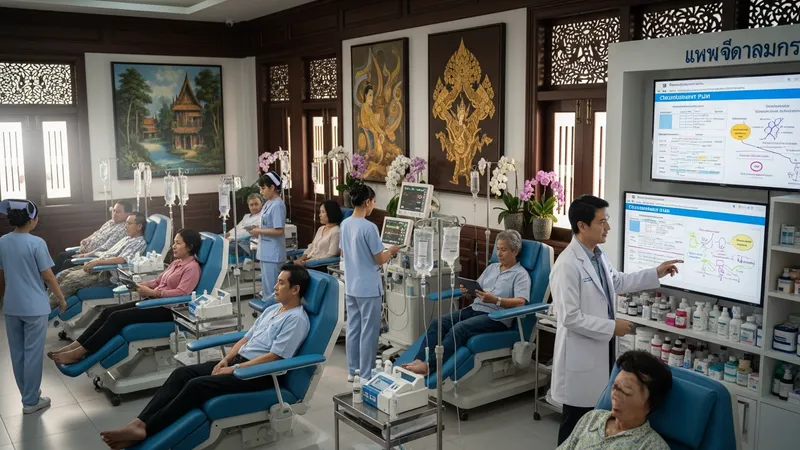
The Thai Universal Coverage Scheme and Social Security Scheme provide access to several essential cancer medicines, which may include standard chemotherapy agents as well as agents like trastuzumab for certain types of breast cancer. However, not all targeted therapies may be included in basic coverage, and the cost can vary in private healthcare settings. Studies in Thailand frequently assess both access to medicines and the impact of financial considerations on patient choices.
Research institutions across Thailand, such as Mahidol University and Chulabhorn Research Institute, are engaged in clinical studies investigating the outcomes and side effects of systemic therapies within the Thai population. Questions of effectiveness, tolerability, and the most practical integration with other treatments are central to ongoing research efforts. Monitoring long-term results provides data that may help refine future national guidelines.
Supportive care during systemic therapy in Thailand focuses on managing side effects and maintaining patient well-being throughout treatment. Multidisciplinary teams often devise supportive measures tailored to individual risk profiles. Resources such as patient information leaflets and counseling services aim to foster informed participation in care, consistent with Thai healthcare policies and patient-centered models.
The research landscape in Thailand is characterized by continuous efforts to refine breast cancer treatment strategies, integrate new scientific findings, and align guidelines with the country’s unique health system. Collaboration between government agencies, universities, and not-for-profit organizations supports the clinical trial ecosystem. Active trials in Thailand focus on local relevance, genetic diversity, and adaptation of international knowledge to the Thai context.
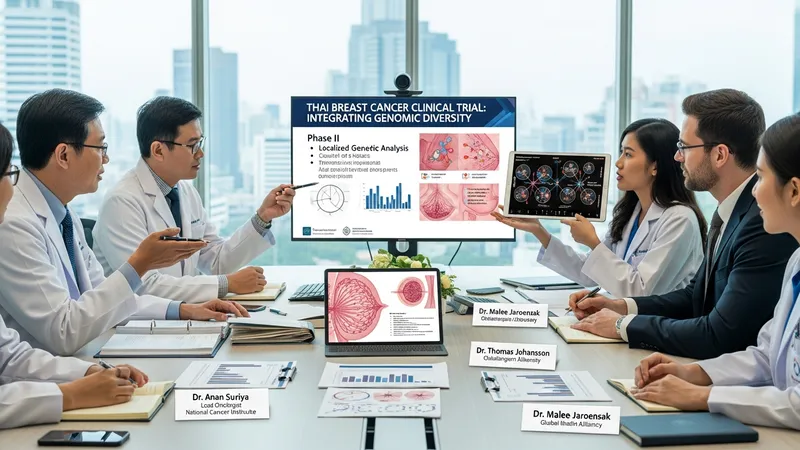
National and institutional guidelines in Thailand are periodically revised to incorporate new clinical evidence. These guidelines often serve as a reference for clinicians when choosing among surgical, radiation, or systemic therapies. Regulatory authorities such as the Thai Food and Drug Administration oversee the approval and appropriate use of medications, while the Ministry of Public Health monitors implementation at hospital and provincial levels.
Emerging research topics in Thailand include the assessment of new targeted therapies, strategies for personalized medicine, and developments in diagnostic technology. Efforts are also underway to evaluate real-world outcomes and cost-effectiveness, with the aim of supporting sustainable oncology care. National registries and electronic medical records help aggregate data to inform health policy decisions and future standards of care.
Looking ahead, Thailand’s breast cancer treatment landscape may continue to evolve based on ongoing clinical trials, health system investments, and international partnerships. As new therapies and diagnostic tools are assessed, emphasis is likely to remain on balancing innovation with accessibility and equity. Patient education and shared decision-making are increasingly seen as priorities within Thailand’s nationally coordinated approach to breast cancer care.