
Jumeirah Village Triangle is a large-scale planned community located in Dubai, recognized for its distinct layout that incorporates geometric symmetry, tree-lined avenues, and a blend of residential options. This development is structured to foster accessibility, organized traffic flow, and open environments for residents. The architectural approach centers on organizing the area into triangle-shaped zones, where streets, public amenities, and green spaces are interconnected for ease of movement and community interaction.
The neighborhood features a combination of villas and townhouses, woven around gardens and communal parks. Thoughtful community planning is evident through clearly defined footpaths, cycle tracks, and designated spaces for activities. These design elements may contribute to the well-being of its residents by offering everyday environments conducive to walking, outdoor recreation, and convenient access to local facilities.
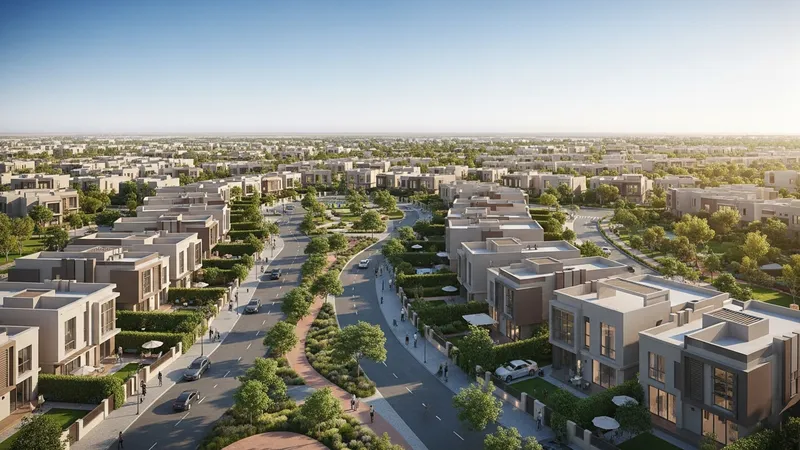
The integration of parks and green spaces within the community is often highlighted as a characteristic aspect of life in Jumeirah Village Triangle. These open areas can serve as gathering sites, recreational spots, and natural buffers that separate residential zones from main thoroughfares. The planning focus on greenery may encourage a lifestyle centered around outdoor activity and communal engagement.
The road layout in Jumeirah Village Triangle utilizes a network structure intended to reduce traffic bottlenecks and streamline internal travel. Intersections are typically guided by roundabouts rather than traffic signals, which may ease navigation for both residents and visitors. The permeability of local streets often supports multiple transportation modes, including cycling and walking.
Community organization plays a role in everyday convenience by clustering essential amenities near residential precincts. These facilities are typically distributed throughout the area, aiming to minimize lengthy commutes for daily needs. The approach to grouping neighborhoods into triangles may result in more direct routes and manageable community sizes, fostering a localized atmosphere.
Overall, Jumeirah Village Triangle’s design reflects planning priorities that may benefit residential life, such as green infrastructure and efficient transportation networks. These features shape how residents experience movement, recreation, and daily routines within the community. The next sections examine practical components and considerations in more detail.
Community planning within Jumeirah Village Triangle is centered on spatial organization and functional connectivity. The arrangement of homes, parks, and public amenities seeks to balance accessibility with privacy, offering clear pathways between residences and shared spaces. The development’s design philosophy often involves predictable grid patterns, which may help with navigation and consistent street aesthetics.
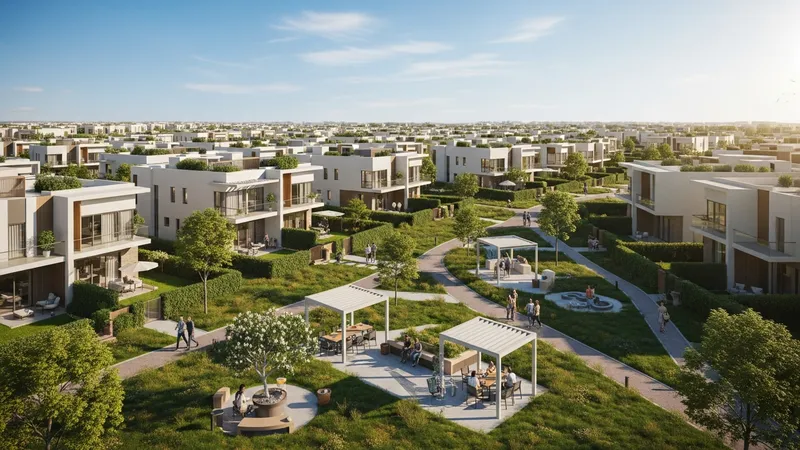
Open spaces are distributed to provide multiple entry points and recreational opportunities. Parks are generally situated so that most homes are within a short walk of at least one green area. This may encourage residents to incorporate outdoor leisure and exercise into daily life, and may also support local events and gatherings in communal settings.
Community facilities such as sports fields, playgrounds, and local shopping centers are arranged to maximize utility without crowding residential areas. The intention is often to combine accessibility with a sense of community belonging, as these public assets are typically located within or adjacent to the triangle-shaped neighborhood units. This arrangement is intended to allow residents easy access to essential services while maintaining neighborhood cohesion.
Footpaths, cycling tracks, and designated crossings are incorporated throughout the area to promote pedestrian safety and ease of movement. This infrastructure supports multiple modes of transport beyond automobiles, encouraging walking and cycling between homes, parks, and amenities. Such planning may contribute to reduced internal traffic, lower noise levels, and improved neighborhood air quality.
Accessibility in Jumeirah Village Triangle is influenced by a road system designed for predictable, low-speed traffic flow. The intersection of main arteries and secondary streets is typically managed through roundabouts that limit stop-and-go movement. This layout can result in smoother transitions for vehicles and decreased waiting times at intersections compared to more traditional traffic signal systems.

Residential streets in the community generally follow a branching structure, connecting each triangle-shaped neighborhood to larger access roads. This may limit through-traffic in residential pockets, contributing to safer environments for pedestrians and bicyclists. Entry and exit points to the broader Dubai road network are also coordinated to distribute vehicle load and facilitate access to other city districts.
Pedestrian movement is supported by dedicated paths running parallel to or alongside main streets. Crosswalks and buffer zones, such as landscaped verges, are typically implemented to separate foot traffic from vehicles. This design component may make it more feasible for residents to walk for daily errands, community activities, or leisure.
The inclusion of cycle tracks and walkway connectivity supports sustainable transport options within the community. Residents who prefer non-motorized transport may benefit from the directness and safety features of these pathways. Overall, movement patterns in the area are influenced by the balance of road access, pedestrian planning, and integration with external transport systems.
Green infrastructure is a core component of everyday living in Jumeirah Village Triangle. Public parks vary in size and are often strategically distributed to provide recreational options for a range of age groups. These parks may feature playgrounds, jogging tracks, sports courts, and shaded seating areas, facilitating both active and passive forms of outdoor engagement.
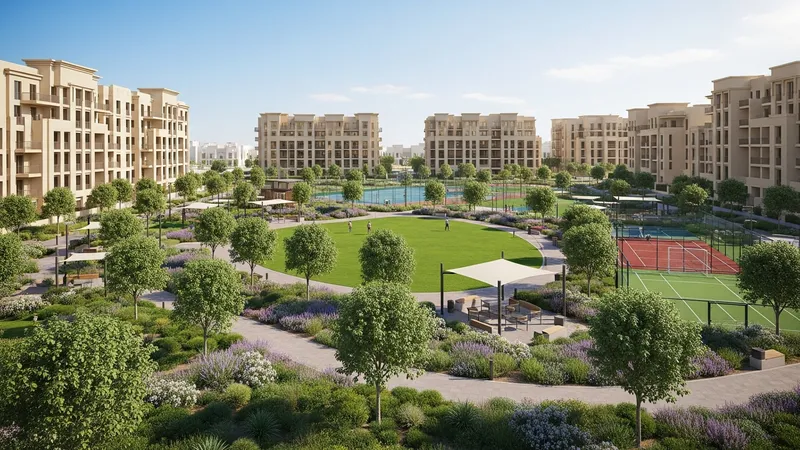
The community’s master plan typically places residential units within close proximity to at least one park or communal garden. This spatial orientation may foster frequent use of green spaces, allowing residents to integrate outdoor leisure into their routines. In addition, gardens and landscaped public areas are often maintained to support plant diversity and provide visual relief from urban structures.
Parks and outdoor facilities can play a role in community wellness by enabling social interaction and physical activity. Group exercise classes, informal games, and family gatherings may commonly occur within these shared environments. While the frequency and nature of such activities vary, the physical presence of green space is intended to positively impact the lifestyle of the neighborhood's population.
Sustainable landscaping practices, such as using native plants and optimizing irrigation, may be adopted to maintain green areas efficiently. These practices aim to support the ecological balance of the area and reduce maintenance needs over time. Residents typically have access to these spaces year-round, contributing to a community ethos centered on outdoor living and environmental stewardship.
Jumeirah Village Triangle contains a range of local facilities to address daily needs. These may include retail outlets, supermarkets, fitness centers, mosques, and schools placed within walking or short driving distance of residential areas. The distribution of these amenities is intended to minimize long commutes and encourage neighborhood self-sufficiency, particularly for common errands and services.
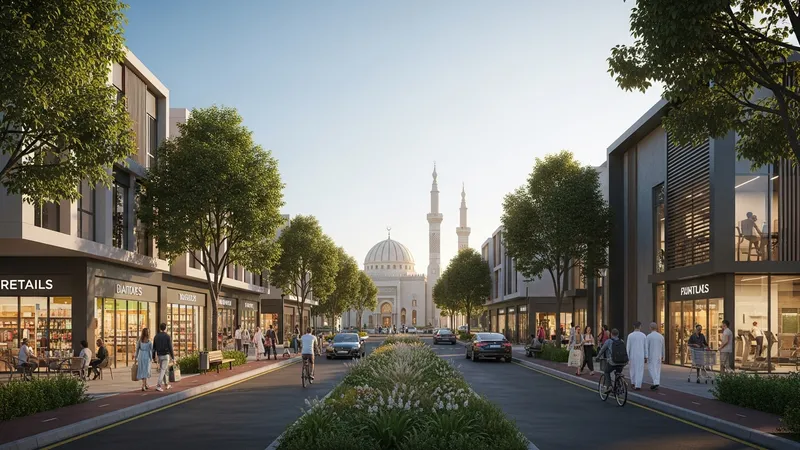
The clustering of essential services, such as small clinics, gyms, and childcare centers within neighborhood zones, typically allows residents convenient access throughout the day. This may be particularly valuable in planned communities where the aim is to support a balanced lifestyle close to home. Proximity to facilities can vary, but most areas are designed with the expectation that daily tasks can be completed without extensive travel.
Social and cultural activities are often supported by dedicated community centers or clubhouses. These venues may host organized events, classes, or informal gatherings, providing opportunities for residents to interact and participate in local initiatives. While participation depends on individual preferences, such facilities can play a role in fostering community engagement and cohesion.
The combined presence of residential, recreational, and service infrastructure shapes the rhythms of daily life for those living in Jumeirah Village Triangle. The neighborhood’s approach to community planning, accessible movement, green spaces, and amenities reflects a comprehensive design strategy that seeks to enhance day-to-day experiences. These characteristics may influence how residents perceive quality of life within the district when compared to less organized urban settings.