
Oncology clinics represent specialized healthcare environments where various treatment services for cancer patients are systematically coordinated. These clinics typically function within established frameworks that emphasize structured clinical protocols and evidence-based approaches. The goal of such settings is to facilitate organized care delivery by multidisciplinary teams equipped to handle different aspects of cancer diagnosis, treatment planning, and supportive care. This coordination may include diagnostic assessments, therapeutic interventions, and follow-up management, all oriented toward comprehensive patient care models.
In many oncology clinics, care approaches integrate clinical guidelines tailored to different cancer types and stages. These clinics often operate with standardized processes, ensuring that patients receive consistent assessments and are routed to appropriate specialists such as medical oncologists, radiation oncologists, and surgical oncologists. Clinics may also collaborate with ancillary services including pathology, radiology, and palliative care to support various phases of the treatment continuum. Through this organization, oncology clinics may facilitate access to research protocols and clinical trials as part of broader treatment possibilities.
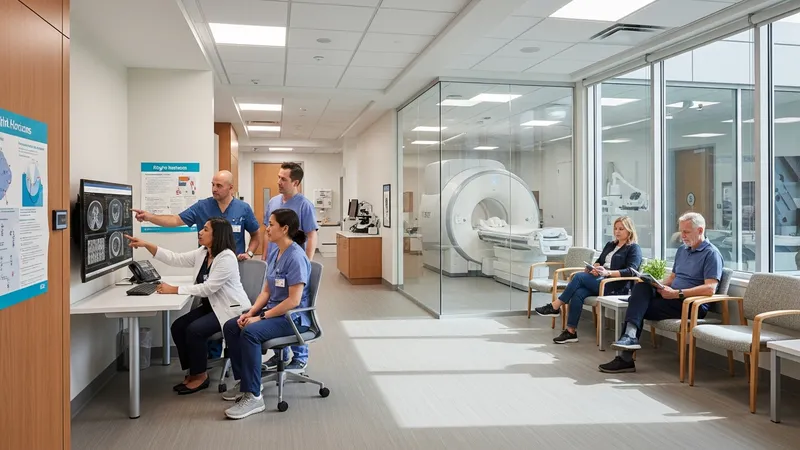
Multidisciplinary teamwork often plays a central role in oncology clinics, helping to integrate diverse expert opinions in developing individualized care plans. This approach can enhance clinical decision-making by pooling knowledge across specialties, which may benefit treatment sequencing and symptom management. However, implementation models can vary considerably depending on the clinic’s resources and institutional framework, influencing how teams coordinate their efforts.
Standardized clinical protocols frequently guide treatment options, drawing from national or regional oncology societies' recommendations. These guidelines offer a framework that clinics may use to balance efficacy and safety considerations for different cancer types. The presence of such protocols can promote consistency across patient care and facilitate quality monitoring and research activities within these clinics.
Patient navigation within oncology clinics refers to systematic processes established to assist patients through complex care pathways. Given the multiple diagnostic tests and therapeutic interventions typically involved, navigation efforts strive to reduce delays and optimize resource use. These systems often include tracking mechanisms to ensure patients complete recommended assessments and treatments on schedule.
Research involvement is another aspect commonly present in many oncology clinics. Participation in clinical trials may be considered part of the treatment options offered within these settings. Such trials follow defined regulatory and ethical protocols and aim to contribute additional knowledge to the oncology field. The extent to which clinics engage in research activities can be influenced by institutional mandates and available funding.
In sum, oncology clinics embody organized models of care emphasizing coordination, structured protocols, and multidisciplinary collaboration. Their operational frameworks typically provide a foundation for systematic evaluation and treatment planning within oncology care contexts. The following sections examine practical components and considerations in more detail.
Oncology clinics often employ clinical care models designed to streamline patient assessment and treatment. These models can include outpatient consultation frameworks, tumor board reviews, and integrated treatment scheduling. Each model may facilitate communication between different specialties and improve logistical coordination. For instance, tumor boards gather multidisciplinary experts to review patient cases and propose individualized treatment approaches based on clinical data.
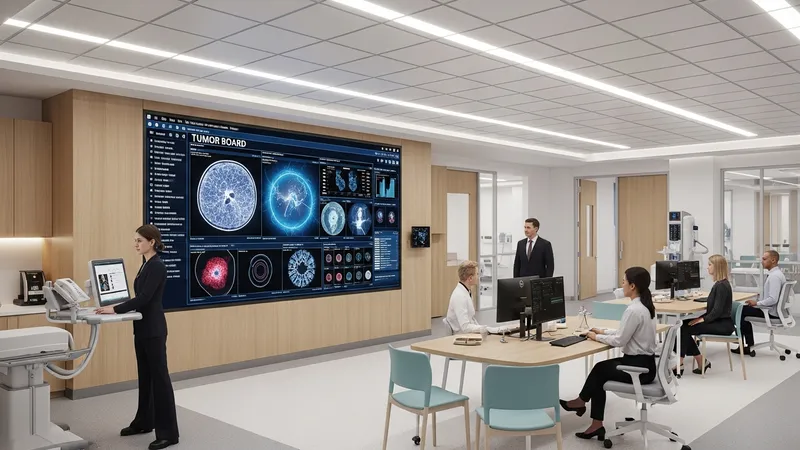
Outpatient consultation frameworks typically allow patients to undergo initial and follow-up evaluations without hospital admission. These approaches can emphasize efficiency and convenience, enabling continuous monitoring and adjustment of therapies as needed. Clinics may also incorporate diagnostic imaging and laboratory services within the same facility to bolster diagnostic efficiency.
Tumor boards in Mexican oncology clinics often follow established protocols to ensure consistent patient evaluation. These multidisciplinary meetings take place regularly and may include surgical, medical, radiation oncologists, pathologists, and radiologists. The collaborative review process can help clarify staging, assess treatment options, and determine eligibility for clinical trials.
Scheduling integration in oncology clinics often aims to minimize delays between different diagnostic and treatment steps. Coordinated scheduling systems can reduce patient visits by synchronizing appointments across specialties, which may also support adherence to treatment timelines. Such organizational strategies are increasingly important given resource constraints in various Mexican healthcare institutions.
Multidisciplinary teams (MDTs) form a foundational element in many oncology clinics, supporting comprehensive patient management. These teams may include medical oncologists, radiation oncologists, surgeons, pathologists, radiologists, nurses, and psychosocial support staff. Their collaborative role enhances decision-making by combining diverse expertise relevant to cancer care.

The involvement of MDTs can facilitate shared responsibility for diagnostic accuracy and therapeutic strategy. In the context of Mexico’s healthcare system, MDTs may also coordinate communication between public and private healthcare providers, potentially optimizing resource allocation. Regular MDT meetings serve as forums to review case complexities and adapt treatment plans accordingly.
Psychosocial professionals, including social workers and psychologists, sometimes participate in MDTs to address patient support needs beyond clinical treatment. Their role may be particularly relevant when managing treatment side effects, facilitating adherence, and improving quality of life during care. Incorporating psychosocial perspectives into MDT discussions represents an integrative approach increasingly adopted in Mexican oncology practice.
The effectiveness of MDTs may depend on institutional factors such as staffing, infrastructure, and information systems. Electronic medical records and shared diagnostic platforms can support MDT functions by providing up-to-date clinical information accessible by all team members. Such tools help maintain continuity of care across visits and specialty consultations.
Clinical protocols in oncology clinics typically serve as evidence-based frameworks guiding diagnostic and therapeutic actions. These protocols may be developed or adapted from national guidelines such as those provided by the Mexican Society of Oncology (Sociedad Mexicana de Oncología, SOMEO) and international bodies. They provide structured pathways for assessing tumor type, staging, and treatment suitability.
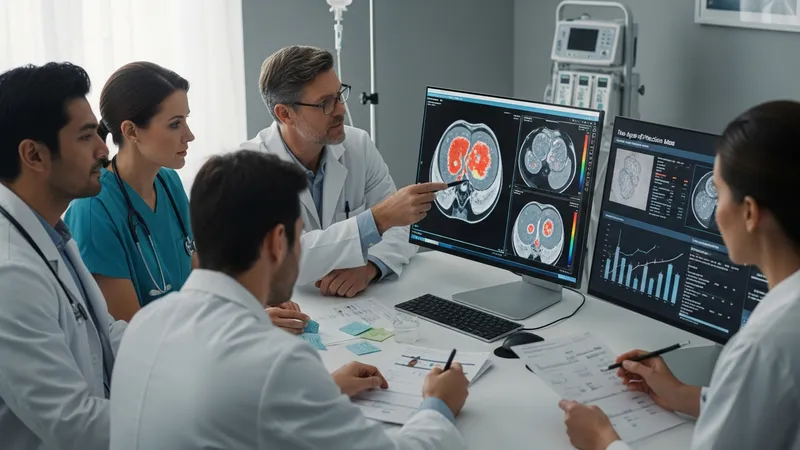
Treatment planning combines clinical assessment findings with standardized protocols to tailor options to individual patient profiles. This process often involves staging investigations including imaging scans, biopsies, and laboratory analysis. Based on these data points, clinicians may select from options such as surgery, chemotherapy, radiation therapy, or combinations thereof within multidisciplinary discussions.
Protocols also typically establish follow-up procedures designed to monitor treatment response and detect potential complications. These procedures may include scheduled imaging, laboratory tests, and supportive care evaluations. This monitoring is an essential component of comprehensive treatment pathways implemented in oncology clinics throughout Mexico.
In some clinics, adaptations to clinical protocols account for local factors such as resource availability, patient demographics, and disease prevalence. Such modifications aim to balance best-practice recommendations with practical feasibility, ensuring care delivery remains consistent while acknowledging systemic constraints.
Research initiatives play a meaningful role in many oncology clinics by incorporating clinical trials and observational studies into patient care options. These research activities may contribute to expanding knowledge about emerging therapies and diagnostic methods. Clinics participating in research often adhere to regulatory frameworks governed by Mexican health authorities such as COFEPRIS.
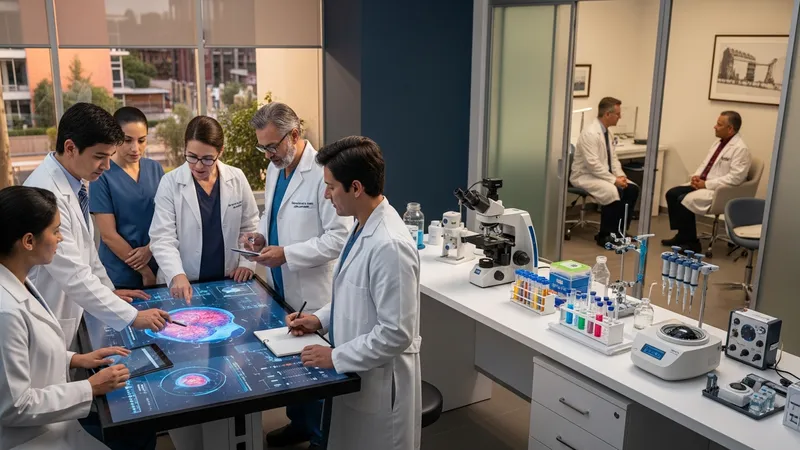
Participation in clinical research within oncology clinics involves systematic protocols to ensure patient safety and data integrity. Eligibility criteria for clinical trials typically include cancer type, stage, and prior treatments, and enrollment is considered after routine clinical options are evaluated. These studies may test novel drugs, combinations, or treatment regimens in controlled settings.
Research involvement can also intersect with standard care pathways, with some institutions providing access to investigational treatments alongside established protocols. This approach allows clinics to contribute to scientific evidence while offering diverse treatment possibilities under professional oversight.
The extent of research activity varies among clinics in Mexico depending on institutional capacity, funding, and specialist availability. Academic medical centers and larger oncology institutions often have more active research programs compared to smaller clinics, which may focus primarily on established treatment provisions.