
Modern data tools encompass a broad range of software and systems designed to manage and analyze data across various stages. These tools facilitate tasks such as data collection, storage, processing, analysis, and visualization, enabling organizations to handle large volumes of information effectively. By integrating multiple capabilities, these tools support decision-making processes in businesses and technical settings.
These tools typically include modules to gather data from diverse sources, convert raw data into structured formats, analyze datasets, and present results through visual interfaces. The underlying technologies often support scalability, automation, and collaboration, allowing users from different departments to access and interpret data in context. Selection of appropriate data tools may depend on organizational requirements, including the nature of the data, volume, and intended outcomes.

Many organizations employ a combination of these tools to cover end-to-end data workflows. For instance, Apache Hadoop or Spark may be used for handling large-scale data processing, while visualization platforms like Tableau and Power BI help translate data into understandable insights. Apache Kafka can be integrated for real-time data streaming needs. Each tool supports different stages of data management and analysis, allowing tailored configurations based on technical and business needs.
Data collection capabilities often include connectors and APIs that enable extraction from databases, web services, or IoT devices. Processing features can involve batch or real-time data transformation, filtering, and aggregation. Analytical functions may range from simple descriptive statistics to advanced machine learning techniques, frequently enhanced by graphical dashboards to aid interpretation. These functionalities contribute to more informed decision-making in operational and strategic contexts.
Scalability and interoperability typically remain important considerations when deploying data tools. Many solutions are designed to adapt to growing data volumes and diverse formats, while supporting integration with legacy systems or cloud services. User accessibility is also often addressed by providing visual interfaces to non-technical stakeholders, thereby facilitating broader organizational engagement with data insights.
Overall, modern data tools offer comprehensive capabilities that may support efficient data lifecycle management in business and technical environments. Their varied functionalities help entities process complex datasets and generate actionable information. The following sections examine practical components and considerations in more detail.
Data collection is a fundamental aspect of data tools, focusing on acquiring information from multiple origins such as databases, online platforms, sensors, and external applications. Effective data tools often provide prebuilt connectors, APIs, and adapters to facilitate this extraction process. The ability to handle diverse data formats, including structured, semi-structured, and unstructured data, typically enhances versatility.

Integration with cloud platforms is increasingly common, allowing data collection activities to leverage scalable storage and processing infrastructures. This can be particularly relevant for Indian companies adapting to hybrid or multi-cloud environments. Additionally, tools may support batch ingestion or real-time streaming, depending on business requirements and technical configurations.
Security and data governance can be inherent concerns at the data collection stage. Many systems incorporate authentication, encryption, and compliance features to align with regulatory frameworks, such as India's Information Technology Act and Personal Data Protection guidelines. Proper data provenance tracking may also be included to maintain data integrity.
Overall, the data collection and integration capabilities in modern data tools frequently emphasize flexibility, scalability, and adherence to governance standards. This enables organizations to reliably gather diverse data inputs for subsequent processing and analysis activities.
Data processing within contemporary tools may involve transforming raw inputs into formats suitable for analysis. Techniques commonly observed include data cleaning, normalization, aggregation, and enrichment. These steps can be automated or manually configured depending on tool offerings and organizational practices.

Batch processing systems handle accumulated data at specified intervals, while stream processing supports real-time analysis of continuous data flows. Apache Hadoop and Apache Spark exemplify frameworks often employed for these purposes, facilitating distributed computing to manage large-scale datasets efficiently.
The analytical features of data tools can range from basic statistical summaries to more advanced methods like predictive modeling and machine learning algorithms. These functionalities are frequently exposed via user-friendly interfaces or programmable environments, enabling data scientists and analysts to explore trends and build inference models.
In many cases, analytical outputs are packaged as reports, alerts, or dashboards, contributing to operational awareness and strategic planning. Considering specific business contexts, such as those within Indian enterprises, the adaptability and modularity of these tools may affect their suitability for diverse analytical tasks.
Visualization tools convert processed data into graphical representations, such as charts, graphs, and maps. These visual formats assist in interpreting complex datasets and communicating findings to stakeholders with varying technical backgrounds. Platforms like Tableau and Microsoft Power BI provide drag-and-drop interfaces to create customizable visualizations.
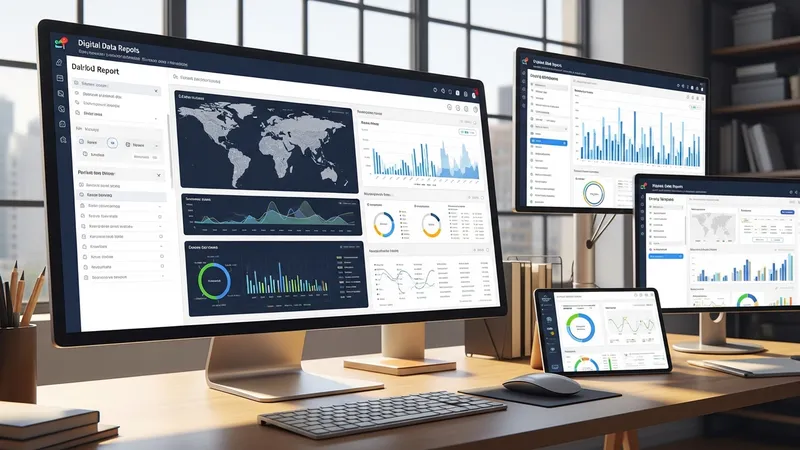
The reporting capabilities typically include scheduling options, data export formats, and embedded sharing features. This allows for periodic dissemination of insights across organizational units and external partners. Interactive dashboards often enable users to filter and drill down into data for more detailed examination.
Many visualization tools support integration with multiple data sources, facilitating unified views of performance metrics or market trends. In India’s rapidly evolving digital landscape, such visual reporting functionalities can align with regulatory disclosure requirements and business intelligence needs.
Moreover, mobile compatibility and cloud accessibility are increasingly incorporated, helping users access data insights across a range of devices and locations. This flexibility may enhance decision-making processes by providing timely and tailored information.
Storage solutions within data tools typically account for capacity, performance, and data lifecycle management. Options may include on-premise databases, cloud-based repositories, or hybrid models. The choice often depends on organizational scale, budget constraints, and compliance obligations.

Data retention policies and backup mechanisms are generally integral to secure storage architectures. For organizations in India, adherence to data sovereignty laws and data protection regulations may influence storage configurations and access controls.
Security features often involve encryption at rest and in transit, identity management, and audit trails. These safeguards contribute to protecting sensitive information against unauthorized access or breaches. Role-based permissions and multi-factor authentication can also be implemented using data tools.
Additionally, many systems support data archival and purging processes to optimize storage costs and comply with legal retention periods. Understanding these considerations may assist enterprises in maintaining data integrity while managing storage resources effectively.