
The gradual adoption of digital technologies by small and medium-sized enterprises (SMEs) represents a significant shift in operational approaches and business management. This transformation involves integrating digital tools aimed at streamlining workflows, enhancing customer interaction, and optimizing resource allocation. Such technologies may include cloud-based platforms, automated processes, electronic payment solutions, and data analysis systems, each contributing to a modified business landscape that appears increasingly oriented toward efficiency and data-supported decision-making.
The digital transition within SMEs often reflects a broader trend of technological incorporation into daily functions, which can influence areas such as inventory control, customer relationship management, and marketing. By digitizing manual procedures and enabling real-time data accessibility, businesses may experience adjusted management practices and new methods of customer engagement. However, the degree of impact varies according to the specific technologies applied and the sectors within which SMEs operate.

Cloud computing allows SMEs to operate without extensive onsite infrastructure by hosting services on remote servers. This shift can reduce upfront hardware investments and provide various access levels for employees, clients, and partners. Depending on the nature of the business, cloud adoption levels may differ, but it frequently supports collaboration and scalability.
Digital payment systems facilitate more streamlined sales processes by accommodating diverse payment methods such as card transactions, direct debits, and mobile wallets. This can accommodate evolving consumer preferences for contactless and online payments and may introduce operational adjustments in billing and accounting practices.
Automation software often targets tasks considered repetitive or time-intensive, potentially reallocating employee focus toward strategic activities. The implementation of these systems is typically incremental and may require a foundational understanding of process mapping to align automation benefits with business needs properly.
Data analytics tools offer SMEs access to business intelligence derived from operational and customer data. By interpreting trends, purchasing habits, or supply chain performance, businesses may inform their decision-making processes. The availability of such tools ranges widely, with entry-level solutions sometimes integrated into business software suites.
In summary, the digitization of SMEs comprises diverse technologies that, collectively, can affect various aspects of business operation. Their application and impact depend on factors including business size, sector, and existing technological infrastructure. The following pages provide a more detailed exploration of specific technology areas, feature considerations, and practical implications for businesses adapting to digital transformation.
Cloud computing typically serves as the foundational technology enabling other digital tools by offering flexible computing capacity without requiring substantial physical infrastructure. Many SMEs in Germany may opt for cloud platforms to manage data storage, software applications, and collaboration tools, often selecting between public, private, or hybrid cloud models based on business needs and data sensitivity.
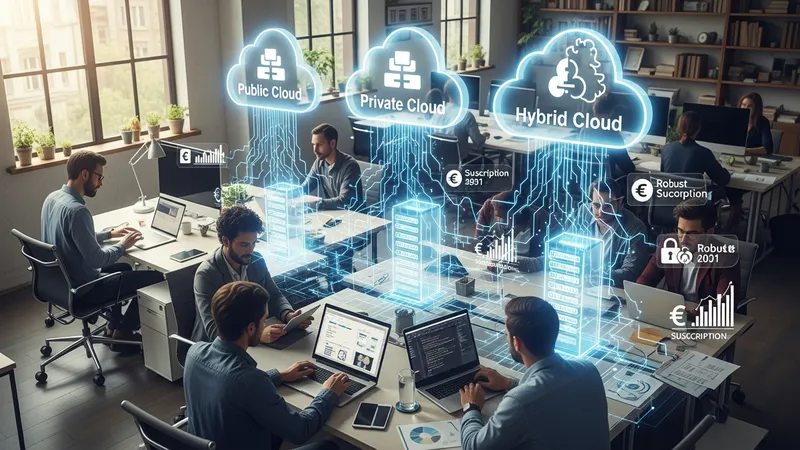
Adopting cloud services can involve recurring expenses linked to user accounts, storage size, and the extent of services utilized. For example, standard cloud office suites often come with subscription plans costing roughly €10 to €30 per user monthly. Prices can increase with added security measures, advanced analytics, or dedicated support.
In Germany, compliance with data protection regulations such as the General Data Protection Regulation (GDPR) is a significant consideration. SMEs using cloud services may need to ensure that providers offer data centers within the European Union or provide appropriate safeguards to meet regional legal requirements, influencing service selection and implementation strategies.
Cloud computing platforms often integrate with other digital tools used by SMEs, facilitating more seamless workflows. For example, cloud-based accounting applications can synchronize with digital payment processing systems, providing up-to-date financial information. This interoperability may contribute to process efficiencies but requires attention to technical compatibility and data security.
Digital payment solutions can extend beyond typical card payment terminals to include online invoicing, mobile point-of-sale (POS) devices, and contactless payment options tailored to SME operational contexts. Their adoption may correspond with local consumer behavior trends, reflecting increasing preferences for electronic and remote transactions within Germany.

Operational adjustments for SMEs incorporating digital payment systems may involve changes in accounting workflows, reconciliation processes, and customer interaction management. The pricing structures of these systems generally relate to transaction volumes and payment methods, with some providers charging setup fees or monthly maintenance costs alongside per-transaction charges.
Security standards, such as Payment Card Industry Data Security Standard (PCI DSS) compliance, represent important factors for SMEs when choosing digital payment solutions to mitigate risks associated with electronic transactions. Providers typically offer varied compliance support levels, which may affect implementation complexity and associated costs.
Integration of payment systems with enterprise resource planning (ERP) software or customer relationship management (CRM) tools can facilitate data centralization and analysis. This integration may assist businesses in monitoring sales trends and customer payment behaviors, contributing to financial management and strategic planning efforts.
Automation technology encompasses a range of software solutions designed to reduce manual task load, from email marketing automation to supply chain management. SMEs often select automation tools based on specific business processes identified as time-consuming or prone to human error, such as inventory restocking triggers or customer follow-ups.
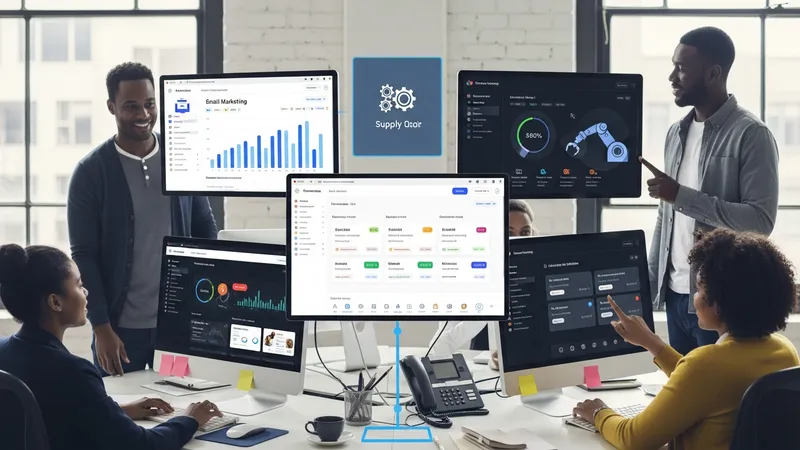
The cost structure for automation software can vary substantially depending on the scope of automation, licensing model, and required integrations with existing software infrastructure. Subscription fees may be based on features, volume of automated tasks, or number of users, with more comprehensive platforms typically incurring higher expenses.
Successful deployment of automation may require process standardization and staff training to align workflows with software capabilities properly. SMEs often approach this incrementally, focusing on high-impact areas before extending automation to other functions, mindful of maintaining employee oversight and quality control.
Automation tools may also produce data reflecting process performance and operational bottlenecks, offering SMEs opportunities for continuous process improvement. Analysis of such data can guide adjustments in automation parameters and broader business practices over time.
Data analytics in SMEs typically involves collecting and interpreting information related to sales, customer behavior, inventory levels, and operational metrics. Businesses may utilize basic reporting tools integrated into existing software or invest in more advanced analytics platforms capable of predictive modeling and trend analysis.

The scope and cost of analytics solutions vary, encompassing free basic tools incorporated in business applications to more sophisticated products that entail subscription fees starting from approximately €20 per month. SMEs frequently weigh the benefits of advanced analytics against resource demands and staff expertise available.
Insights derived from analytics can inform various SME decisions, including marketing strategies, inventory management, and customer service adaptations. By identifying patterns and anomalies, businesses may adjust offerings or operations accordingly, although these outcomes are typically subject to data quality and analytical methodology applied.
Data privacy considerations are integral to analytics deployment, especially in contexts involving personal customer data. SMEs operating within Germany should be attentive to compliance with data protection laws and may seek solutions with built-in privacy features or audit capabilities to support regulatory adherence.