
A Document Management System (DMS) is a software solution designed to facilitate the storage, organization, and retrieval of digital documents within an organization. It typically supports the management of electronic files, helping to reduce physical paperwork by enabling easier access to digital records. DMS solutions often provide a centralized repository where documents are systematically categorized, potentially improving workflow efficiency and preserving document integrity over time.
Organizations may adopt a DMS to streamline document handling through features such as controlled access and audit trails, which regulate who can view or modify files. These systems may also include tools for tracking document versions and changes, thereby allowing controlled collaboration while maintaining historical records. Additionally, search functions can help users locate documents more quickly than traditional manual methods, which might involve searching through physical file cabinets or disorganized digital folders.

Four additional examples that illustrate the broader scope of document management solutions include Alfresco, OpenText, M-Files, and Laserfiche, each offering varying capabilities such as cloud integration, compliance support, and automation. The selection of a system and its features often depends on organizational needs, such as scale, document types handled, and regulatory environments.
Centralized storage is a core component of most DMS products. It allows organizations to maintain documents within a single repository, which can mitigate risks related to duplication, misplacement, or unauthorized access. This approach also may facilitate consistent backup and recovery procedures, which are important for business continuity and data protection.
Version control is frequently integrated into document management, enabling users to access prior iterations of a document. This feature helps track modifications over time and can be important for complying with record-keeping standards or audit requirements. It also supports collaborative workflows by clarifying document changes among multiple contributors.
Automation workflows can be valuable in routing documents for review, approval, or further processing without manual intervention. Such automation might reduce administrative delays, although implementation complexity and integration with existing systems should be assessed in any given use case.
Cloud-based accessibility is another feature increasingly found in modern DMS implementations, allowing users access to documents from various locations and devices. While this can enhance flexibility, it also requires attention to security measures such as encryption, access controls, and compliance with relevant data protection regulations.
Overall, Document Management Systems can support organizations in organizing and managing documents with greater consistency and control. The following sections examine practical components and considerations in more detail.
Document Management Systems typically involve a combination of features that address different aspects of document handling. Centralized storage serves as the foundational element by consolidating documents in a single digital location. This feature often includes file categorization and indexing, which can facilitate easier retrieval and reduce time spent searching for information.
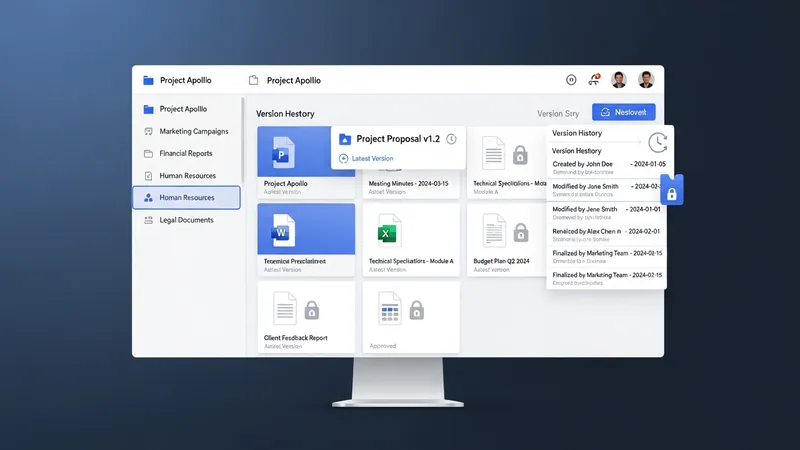
Version control is usually implemented to preserve document history, allowing users to access earlier versions and understand changes made. This feature may also include locking mechanisms to prevent conflicting edits, thereby supporting orderly collaboration among multiple users.
Search functionality is a key feature that may include full-text search, metadata filtering, and advanced querying options. This capability can improve efficiency by enabling users to pinpoint relevant documents quickly, which is often important for compliance or operational purposes.
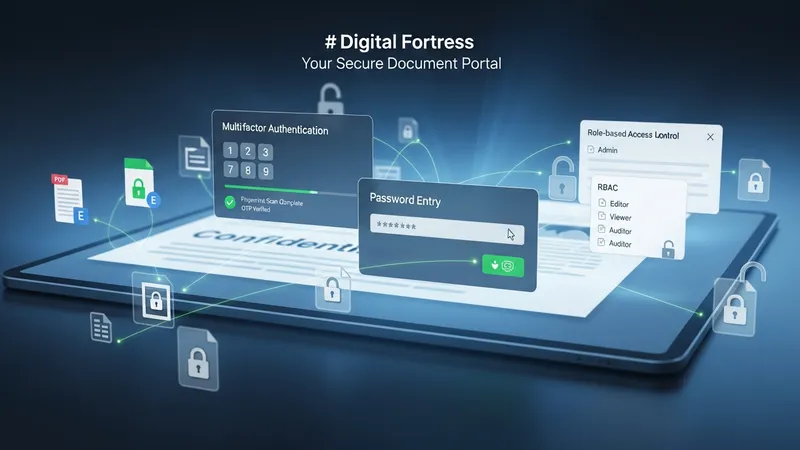
Access permissions are generally configured to control who can view, edit, or delete documents. These controls support data security policies and help to maintain confidentiality, particularly when handling sensitive or regulated information. They may also provide audit trails showing document usage and modifications over time.
Implementing a Document Management System can aid organizations by potentially reducing reliance on physical documents, which may lower storage costs and environmental impact. Digital archiving also makes it easier to implement consistent backup and disaster recovery practices.

Efficient document management may contribute to improved compliance with regulations that require systematic records maintenance, such as financial reporting standards or data privacy laws. By providing clear audit trails and controlled access, a DMS can support these requirements.
Automation of document workflows often leads to standardized procedures, which can improve consistency and reduce manual errors in document handling. For instance, automated routing of contracts for approval might ensure necessary reviews are completed timely according to organizational policies.
Cloud-based document management capabilities can offer flexibility for remote access and collaboration. Nonetheless, organizations should consider security frameworks and data sovereignty regulations to ensure that cloud storage and processing align with applicable legal obligations and internal controls.
Security features in Document Management Systems may include user authentication, encryption, and detailed permission settings. These mechanisms can help limit document access to authorized personnel and protect data from unauthorized exposure or alteration.
Compliance with legislation such as the General Data Protection Regulation (GDPR) in the European Union may affect DMS configurations, requiring that personal data be handled with care regarding storage, access, and retention. Organizations often employ DMS features to facilitate adherence to such regulations.
Audit trails and logging functions within a DMS may provide necessary documentation for regulatory inspections or internal audits. These logs typically record who accessed or modified a document and when, which can support accountability and forensic analysis if needed.
When deploying cloud-based DMS solutions, organizations often evaluate the data handling practices of service providers, including where data centers are located and what security certifications are held. Such considerations may influence decisions about system adoption or configuration to maintain compliance.
Implementing a Document Management System often involves assessing current document processes, selecting appropriate features, and planning for user training and change management. These steps can help align the system with organizational workflows and culture.

Integration with existing IT infrastructure, such as enterprise resource planning (ERP) or customer relationship management (CRM) systems, may be considered to enable seamless data sharing and reduce duplication of effort. The degree of integration needed can affect complexity and cost.
Ongoing maintenance of a DMS includes managing user permissions, monitoring storage capacity, and updating software to address vulnerabilities or enhance functionality. These activities support system reliability and security over time.
User adoption is an important factor, as the effectiveness of a DMS depends on consistent and correct use. Organizations often find that clear policies and support resources contribute to better compliance with document management protocols.