
Asset-based lending is a form of commercial financing in which a lender extends credit secured primarily by a borrower’s tangible or near‑cash assets. Lenders evaluate the quality and liquidity of collateral such as accounts receivable, finished inventory, machinery or real property and then set an advance amount tied to an assessed lending base. Borrowers receive periodic advances up to the borrowing base and must provide regular reporting and inspections so the lender can monitor asset values. This structure may support working capital, seasonal needs, or growth while tying credit availability to observable asset metrics.
Underwriting for these arrangements typically focuses on asset valuation, documentation and lien priority rather than solely on cash‑flow projections. Lenders often establish advance rates, eligibility rules, and reserve lines that can change with borrower performance and market conditions. Security interests are usually perfected through Uniform Commercial Code filings or mortgages depending on the asset type, and agreements commonly include reporting covenants, inspection rights, and events of default tied to collateral deterioration. The financing may take forms such as loans, lines of credit, or factoring arrangements, each with distinct operational features and monitoring needs.

When comparing these collateral types, lenders typically weigh liquidity, valuation clarity and administrative burden. Accounts receivable may convert to cash faster than some inventory types, but receivable finance often requires more detailed invoicing and collections oversight. Inventory financing may entail warehouse controls or third‑party custodial arrangements to preserve value. Equipment loans generally require physical inspection and insurance covenants. These relative attributes may influence advance rates, reporting frequency, and per‑period borrowing capacity; borrowers and lenders often negotiate operating covenants that reflect each asset’s performance characteristics.
Valuation methodologies may include periodic appraisals, floor‑price schedules, or borrowing base calculations that exclude specified ineligible items such as obsolete inventory or receivables beyond a stated aging threshold. In the United States, lenders often rely on the Uniform Commercial Code (UCC) framework for personal property perfection and on recorded mortgages for real property. Regular monitoring tools such as borrowing base certificates, field examinations and electronic reporting systems can help maintain transparent collateral records. These practices may reduce margin uncertainty but can increase administrative costs for both parties.
Credit pricing and fee structures in asset‑based facilities often reflect perceived collateral risk and operational oversight requirements. In addition to interest on outstanding balances, lenders may charge facility fees, monitoring fees, appraisal costs and documentation expenses. Pricing may vary by asset class, borrower size and market conditions; some costs may be fixed and others tied to utilization. Because funding is collateral‑centric, lenders may be quicker to adjust availability in response to an adverse change in asset quality, and borrowers commonly plan liquidity buffers to address such adjustments.
Operational and legal controls are central to daily performance under these agreements. Typical borrower obligations include maintaining insurance, segregating collateral when required, delivering aging schedules and permitting audits or inspections. Lenders may require the use of lockbox arrangements or blocked accounts for collections to ensure remittances are applied to outstanding obligations. Contractual remedies for deterioration of collateral often include tightened advance rates, replacement collateral requirements or acceleration provisions; such provisions are usually negotiated and documented at origination.
In summary, asset‑based commercial credit links borrowing capacity closely to observable asset values and administrative controls. Different collateral classes present distinct valuation and monitoring demands that can affect advance rates, reporting frequency and cost. Parties considering these arrangements often balance the tradeoffs between access to asset‑backed liquidity and the operational requirements that accompany ongoing collateral oversight. The next sections examine practical components and considerations in more detail.
Valuation begins by identifying eligible collateral under the loan agreement and assigning an advance factor or floor value to each category. In the United States, accounts receivable commonly use an advance rate that may vary with concentration and aging; inventory advance rates often depend on turnover and marketability; equipment values typically reflect appraised fair market value less depreciation. Lenders may accept third‑party appraisal reports from certified appraisers and periodically update valuations. Borrowing base calculations are a standard tool: they aggregate eligible collateral values, apply advance percentages and net reserves to determine the maximum available borrowing amount.

Perfection of security interests and lien priority influences valuation and lender recoverability. For personal property, UCC‑1 financing statements are filed in the debtor’s state to give public notice of a lien; for real estate, mortgages are recorded in county land records. UCC rules are state‑based in the United States and may affect enforcement timing and creditor remedies, so lenders commonly verify filings during underwriting. Lenders may also require title insurance for real property and custodial agreements for warehouse‑stored inventory to preserve value and reduce exposure to third‑party claims.
Operational valuation controls are frequently imposed to limit eligibility fluctuations. Examples include excluding receivables older than a specified number of days, reducing advances for related‑party invoices, and discounting slow‑moving inventory. Many asset‑based facilities require monthly or weekly reporting, periodic field examinations and sample audits. A field examiner or collateral inspector may perform counts or verify equipment conditions; these procedures help reconcile borrower records with physical conditions and may prompt adjustments to the borrowing base when discrepancies arise.
Practically speaking, valuation uncertainty and seasonality often shape facility structure. Retail and manufacturing firms with pronounced seasonal sales cycles may negotiate seasonal caps or spring‑up provisions that adjust advance rates temporarily to reflect anticipated inventory buildups. Lenders may set higher reserves or require additional collateral during slow seasons. Such mechanisms aim to align credit availability with actual recoverable asset values while preserving acceptable risk levels for the lender, and they commonly appear in documentation for U.S. borrowers.
Underwriting places emphasis on collateral quality, documentation integrity and borrower operational controls. Underwriters commonly review aged receivable ledgers, sales contracts, purchase orders, inventory aging and equipment maintenance histories. Verification steps may include direct confirmation of receivables, inventory counts and site visits. For U.S. borrowers, lenders typically assess legal perfectibility of liens, search for prior UCC filings, and evaluate potential environmental or title encumbrances for property used as collateral. Underwriting conclusions determine advance rates, reporting requirements and the frequency of field examinations.

Covenants in these facilities are generally operational and reporting‑focused rather than broad cash‑flow covenants. Common requirements include delivery of monthly borrowing base certificates, audited or reviewed financial statements on a specified schedule, insurance certificates, and maintenance of specified reserve accounts or blocked accounts. Lenders may also require notification of material changes to customer concentration or disputes affecting receivables. Covenant breaches can trigger restricted borrowing capacity or default remedies, so clarity and consistent recordkeeping are essential for borrowers.
Monitoring is ongoing and may use a combination of borrower filings and on‑site activity. Many lenders require electronic submission of aging schedules and bank statements; some integrate directly with accounting systems for near‑real‑time visibility. Field examiners often perform quarterly or semiannual counts for inventory and equipment to confirm collateral status. In the U.S., lenders sometimes adopt lockbox arrangements where customer payments are routed to a collection account that the lender controls until receivables obligations are settled, reducing collection risk and simplifying monitoring.
Bankruptcy and workout considerations also inform underwriting and covenant design. Lenders typically evaluate the priority of their security interest and potential obstacles to recovery in insolvency, referencing the U.S. Bankruptcy Code and recent case law patterns. Well‑drafted perfection steps, trustee disclaimers and clear documentation of security interest are practical measures underwriters use to reduce legal uncertainty. These considerations may influence pricing, required reserves and the degree of ongoing oversight imposed on the borrower.
Pricing for asset‑based facilities generally reflects interest on outstanding balances plus an assortment of facility-related fees. Typical cost components in the United States may include a utilization‑based interest rate, an undrawn commitment fee, appraisal or valuation fees, field examination fees, and legal documentation expenses. Pricing often varies with borrower size, collateral quality and market conditions; lenders may set spreads relative to reference rates such as the federal funds rate or a published index like SOFR. Fee schedules and the allocation of ancillary costs are negotiated elements that can materially affect the effective borrowing cost over the facility term.

Interest rate spreads and fee levels commonly differ between inventory, receivable and equipment financings due to differences in liquidity and monitoring needs. For example, highly liquid, well‑documented receivables may attract narrower spreads than slow‑turning inventory that requires frequent physical verification. Lenders may also impose higher charges for facilities with frequent site visits or complex custody arrangements. Borrowers should expect that more intensive operational oversight typically correlates with higher overall facility expenses, although such oversight can reduce the probability of unanticipated asset deterioration.
Ancillary and closure costs can be significant in practice. Third‑party appraisals, environmental assessments for real property, insurance endorsements listing the lender as loss payee, and UCC search and filing fees are routine. In addition, modifications, subordination arrangements or intercreditor agreements can incur legal costs. These one‑time and recurring charges can affect the net benefit of a facility, so both lenders and borrowers in the U.S. commonly include detailed schedules of anticipated charges in the term sheet to clarify cost allocation.
Market conditions and regulatory developments may also shape pricing dynamics. Since reference rate conventions have shifted in recent years, lenders and borrowers often negotiate rate‑index fallback language and spread adjustments tied to market benchmarks. Regulatory supervision of lending institutions and changes in capital or liquidity rules can indirectly influence pricing by affecting lender capacity and risk tolerance. Observing these broader patterns may help explain periodic shifts in fee and spread levels for asset‑based credit in the U.S. market.
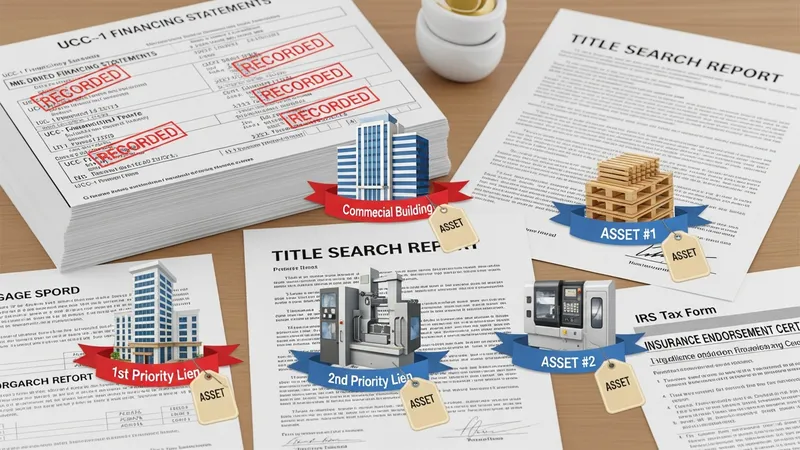
Legal protections hinge on proper perfection and documentation. In the United States, lenders typically record UCC‑1 financing statements for personal property and record mortgages or deeds for real estate to establish priority. Title searches, environmental reviews for real property and insurance endorsements are common steps to reduce legal exposure. Intercreditor arrangements may be necessary when multiple lenders hold liens on different asset classes; such agreements define enforcement rights, payment priorities and procedures in a workout or insolvency scenario.
Regulatory and tax aspects can affect both structuring and enforcement. Lenders and borrowers may consider potential tax consequences of collateral disposition and cancellation of debt treatment under Internal Revenue Service rules. Commercial lending by banks is subject to prudential supervision, and nonbank finance providers may face different regulatory frameworks; these distinctions can influence documentation choices and risk management practices. Parties often consult U.S. regulatory guidance and counsel to align the facility with applicable compliance requirements.
Exit planning and remedies determine likely recovery paths in adverse scenarios. Standard remedies include foreclosure on real property, repossession and sale of equipment, and collection of receivables under agreed‑upon procedures. In many U.S. agreements, foreclosure or repossession rights are exercised after defined default events and with notice where required by law. Lenders may also pursue negotiated restructurings or assign receivables collections to third parties; the chosen path typically reflects asset liquidity, legal costs and the borrower’s viability.
In closing, asset‑backed commercial credit involves interplay between collateral valuation, legal perfection and operational oversight. Effective documentation and routine monitoring aim to preserve asset value and clarify recovery options, while pricing and covenants reflect the inherent tradeoffs between liquidity provided and administrative requirements imposed. Readers seeking further procedural detail may consult U.S. statutory sources such as the state UCC provisions, U.S. Bankruptcy Code resources at U.S. Courts, and federal guidance on small business financing at SBA.