
Battery energy storage systems store electrical energy using electrochemical cells and associated power electronics so that electricity can be dispatched later. For businesses evaluating these systems in the United States, the concept typically includes the battery chemistry, the power conversion system (inverters and controls), the enclosure and thermal management, and software for dispatch and safety. Systems may be configured for behind-the-meter use, where they serve a single facility, or front-of-meter/utility-scale service, where they interact with a grid operator or market.
Business adoption considerations usually cover technical compatibility with existing electrical infrastructure, interoperability with building energy management or distributed energy resources, safety and fire mitigation requirements, and regulatory or market participation rules in U.S. territories. Owners and planners often assess lifecycle factors such as expected degradation, maintenance intervals, warranty terms, and potential revenue streams from demand charge reduction, time-shifting, or market participation under regional rules.
When comparing these examples, owners typically consider how each aligns with operational objectives. Lithium‑ion systems may be suitable for fast-response and frequent-cycling needs, while flow batteries may be considered where longer-duration discharge or reduced degradation per cycle is a priority. Control platforms influence revenue capture and compliance: they often determine whether a system can participate in wholesale markets, respond to demand-charge signals, or provide ancillary services, subject to regional market rules.
Siting and interconnection are practical constraints that often affect the choice among examples. Physical footprint, weight, fire-safety clearances, and local permitting can differ between lithium‑ion and flow systems. In the United States, interconnection procedures can vary by utility and by regional transmission organization (RTO) or independent system operator (ISO), so businesses typically check local technical requirements and queue processes early in planning.
Lifecycle and maintenance considerations may influence technology selection and procurement terms. Owners often evaluate expected cycle life, calendar degradation, replacement cost estimates, and the availability of spare parts or service agreements in the U.S. market. Warranties and performance guarantees can vary; therefore, organizations may plan for periodic testing, thermal-management maintenance, and software updates to maintain operational availability.
Financial and regulatory contexts often affect feasibility and project structure. Capital and operating costs, access to financing, and eligibility for federal or state incentives can shape payback estimates. Regional market rules and federal policies such as FERC orders or state interconnection standards may enable or limit participation in certain services. Companies typically model multiple scenarios to reflect market participation, avoided costs, and potential revenue streams while recognizing these outcomes can vary.
In summary, businesses in the United States considering battery energy storage systems typically evaluate technology type, control and integration capabilities, siting and permitting constraints, lifecycle and maintenance needs, and the regulatory and market context. Selection is often a matter of matching system characteristics to operational objectives and local rules. The next sections examine practical components and considerations in more detail.
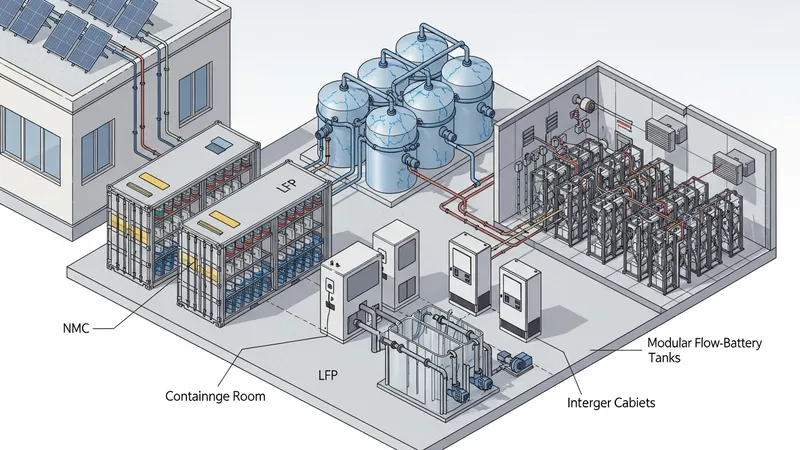
Understanding available types and configurations helps frame technical trade-offs. Lithium‑ion chemistries (e.g., NMC, LFP) are common in U.S. commercial projects due to established supply chains and high round‑trip efficiency, while flow batteries and other chemistries may be considered for multi‑hour duration. Systems can be packaged as containerized units for rapid deployment or as custom-built installations integrated into existing structures. Businesses may compare modularity, scalability, and redundancy options when mapping a system to site needs.
Electrical configuration choices affect performance and integration. Power capacity (kW) and energy capacity (kWh) are typically sized separately; owners may request a specified discharge duration at rated power. The choice of inverter topology, whether AC‑coupled or DC‑coupled, can influence how the system interfaces with solar PV or existing facility loads. Controls that support ride-through and frequency response may be required for market participation in some ISOs/RTOs such as PJM or CAISO.
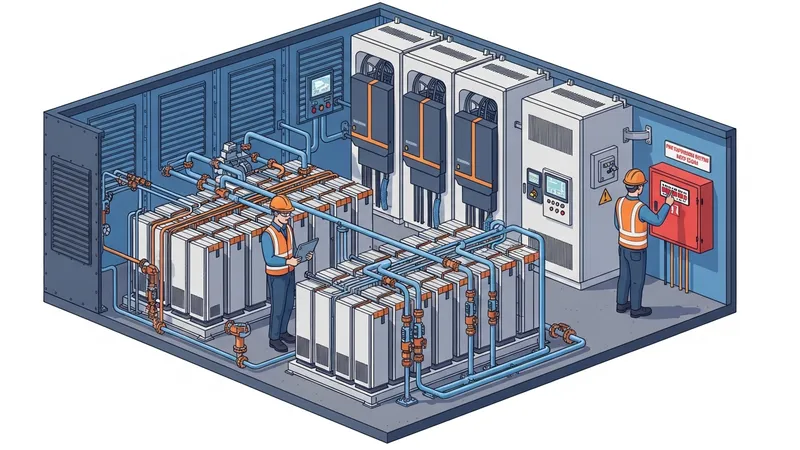
Thermal management and safety design are configuration-level considerations that can influence operations and site planning. Enclosures with active cooling or passive ventilation, fire suppression systems compliant with local and national fire codes, and battery management systems with cell‑level monitoring are often evaluated. Compliance with standards such as those from the National Fire Protection Association (NFPA) and guidance from the National Electrical Code (NEC) may shape installation approaches in the U.S.
When businesses compare configurations, procurement and supply-chain factors are part of the decision context. Lead times for containers, inverter supply, and certain battery cell chemistries can fluctuate, and site-specific civil or electrical work may be necessary. Organizations often factor in contingency time and coordination with local utilities during planning to align installation schedules and interconnection milestones.
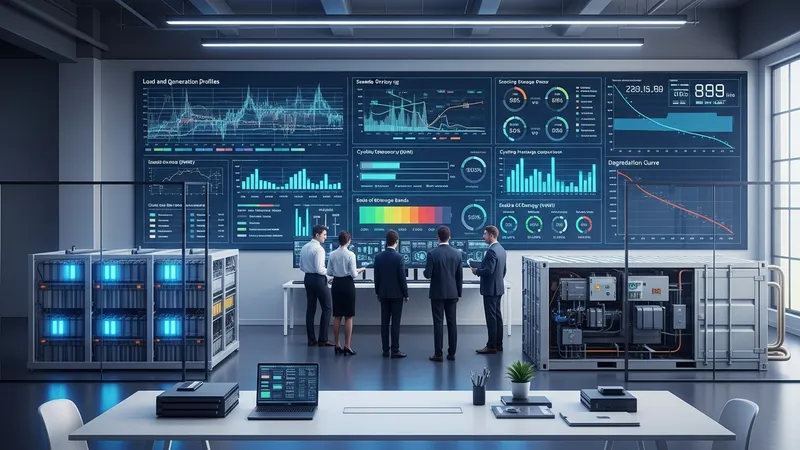
Sizing a system typically starts with load and generation profiling to identify dispatch objectives such as demand‑charge management, time‑shifted consumption, backup capability, or market participation. Businesses often analyze historical utility billing data and submeter records to estimate target power and energy needs. Designers may run multiple scenarios since discharge duration needs and cycling frequency can significantly affect battery choice and expected degradation rates over time.
Capacity metrics include usable energy (kWh) after accounting for state‑of‑charge limits, depth‑of‑discharge strategies, and round‑trip efficiency. Performance specifications such as power ramp rate, response time, and degradation curves are important for matching to applications that require fast frequency response versus sustained discharge. In the U.S., commercial projects commonly specify cycling regimes that align with utility rate structures or participation rules in regional markets.
Efficiency and degradation influence lifecycle output and operating cost projections. Round‑trip efficiency can vary by chemistry and system design, and calendar or cycle aging may reduce capacity over years. Businesses often seek technical data from manufacturers and independent test reports to model expected energy throughput and reserve margins. Modeling may also include adjustments for ambient temperature impacts common in specific U.S. climates, which can affect thermal management strategies.
Redundancy and maintainability are practical sizing considerations. Some facilities may prefer modular arrays that allow partial operation during maintenance, while others may accept single‑unit designs with spare capacity. Access for routine inspections, replacement modules, and on‑site diagnostics—supported by remote monitoring—can reduce downtime. These operational aspects are often considered during the planning phase to align maintenance windows with business continuity needs.
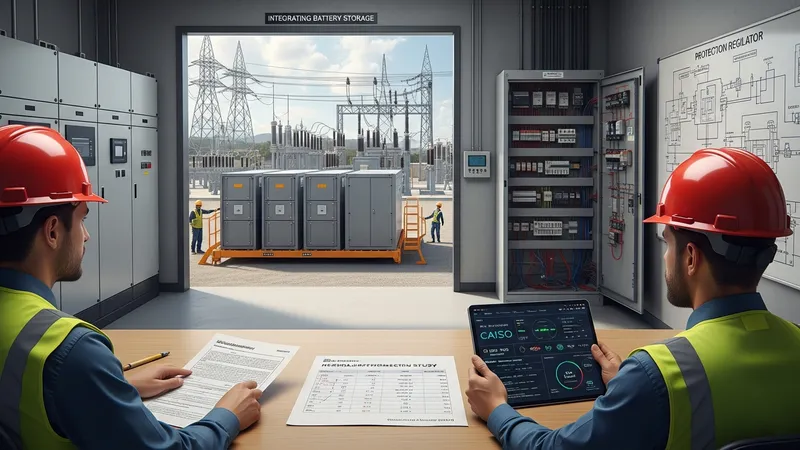
Integration with facility electrical systems and with grid interfaces is a central planning topic. Behind‑the‑meter systems connect to a customer’s switchgear and must meet utility interconnection standards, while front‑of‑meter projects often require queueing with the local transmission or distribution operator. In U.S. regions served by ISO/RTO markets, participation rules and telemetry requirements vary; businesses may coordinate with the relevant operator (for example, CAISO, PJM) to confirm technical and market prerequisites.
Interconnection studies and protection settings can affect project timelines and costs. Feasibility and impact studies may identify the need for network upgrades, voltage control equipment, or protection relay adjustments. These studies can be part of the utility or RTO interconnection process and often influence final project scope. Early engagement with a utility or regional operator typically helps clarify study requirements and expected lead times in the U.S. regulatory context.
Operational requirements include telemetry, cybersecurity, and compliance documentation. Market participation may require performance verification, event reporting, and real‑time telemetry to market operators. Businesses may adopt secure communications architectures and firmware update practices that align with industry cybersecurity guidance, and they may document operational protocols to meet regional market or utility compliance standards in the United States.
Dispatch strategies are shaped by contractual arrangements and regulatory limits. Whether the system follows an internal energy‑management schedule, responds to utility signals, or bids into wholesale markets, the chosen operating approach affects revenue potential and wear on the system. Operators often simulate dispatch profiles to estimate throughput, expected degradation, and interactions with local tariffs or demand charges before finalizing operational controls.
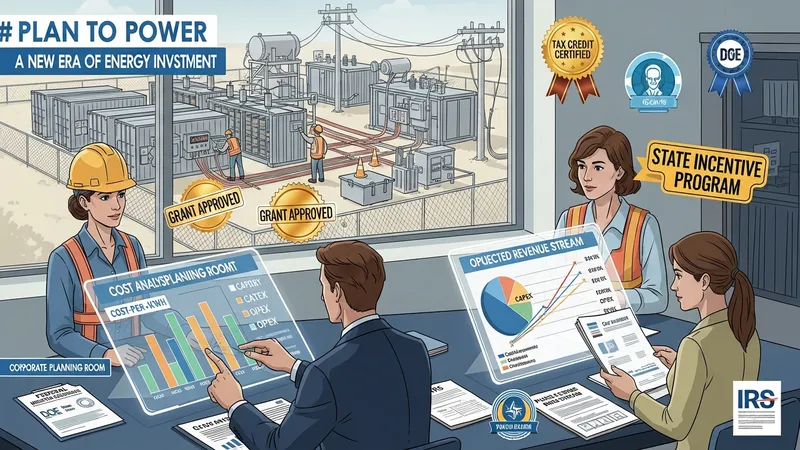
Project costs encompass equipment, balance‑of‑system components, engineering, permitting, interconnection upgrades, and commissioning. In the United States, businesses often separate capital expenses from ongoing operating costs such as maintenance, software licensing, and insurance. Capital cost estimates for commercial and utility projects may be expressed per kilowatt-hour of energy capacity and can vary by technology, scale, and site conditions; organizations typically model a range of cost scenarios to reflect market variability.
Federal and state financial provisions can affect the economics of adoption. Tax credits, grant programs, and state incentives may be available in certain cases, and eligibility often depends on project attributes and prevailing guidance from agencies such as the U.S. Department of Energy or the Internal Revenue Service. Companies commonly consult official guidance and tax advisors to understand how national and state policies may influence project structuring without assuming guaranteed outcomes.
Lifecycle management addresses replacement planning, end‑of‑life options, and recycling. Battery systems typically experience gradual capacity loss, and owners often plan for mid‑life component replacements or warranty milestone testing. In the U.S., recycling infrastructure for lithium‑ion batteries is evolving; businesses may assess vendor take‑back programs, recycling services, and regulatory requirements for hazardous materials handling when developing decommissioning plans.
Risk management and procurement strategies shape long‑term performance. Contract provisions for performance guarantees, warranty coverage, and service-level terms can influence lifecycle costs. Procurement teams often request technical evaluation data, third‑party testing, and reference installations to validate vendor claims. Planning documents frequently include contingency schedules and sensitivity analyses to reflect variations in market conditions, technology performance, and permitting timelines in the U.S. context.