
Point-of-sale systems combine software and hardware to record retail transactions, manage product information, and handle payment processing at checkout. These systems typically capture sales details, update inventory counts, and create receipts while linking transactional data to broader business records. In many setups, the software component provides interfaces for cashiers and managers, while hardware such as terminals, scanners, and printers supports physical workflows. The overall function is to convert retail activity into trackable data that can inform day-to-day operations and periodic analysis.
Retail operators may use point-of-sale technology to coordinate sales with stock levels, accept a range of payment methods, and generate standard reports for accounting or tax purposes. POS setups can also integrate with online ordering platforms, customer relationship systems, and third-party payment processors through application programming interfaces (APIs). Depending on system design, features such as offline transaction capture, role-based access, and scheduled data synchronization can influence how reliably a retail operation continues during connectivity interruptions.
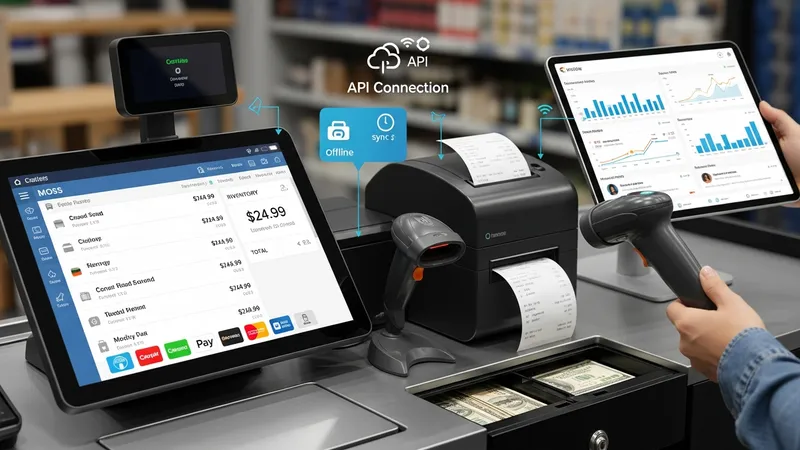
Comparing deployment models often involves trade-offs between convenience and control. Cloud-based platforms can reduce IT maintenance by centralizing updates and backups, while on-premises systems may limit external dependencies by keeping data within local networks. Mobile POS apps may be combined with either model to extend checkout points. Selection criteria that operators commonly consider include network resilience, integration needs with existing accounting or e-commerce tools, and how the chosen model supports inventory synchronization across multiple locations.
Inventory management as part of a point-of-sale implementation can range from simple stock decrementing on sale to multi-location transfer tracking and automated reorder points. Systems often use SKU-level records and may support barcode scanning to reduce manual entry errors. For retailers with seasonal fluctuations or diverse assortments, POS inventory tools can typically provide on-hand visibility and historical sell-through rates, which can inform purchasing cadence. Careful mapping of product attributes and consistent SKU use helps maintain accuracy across sales channels.
Transaction processing within modern point-of-sale environments commonly accommodates magnetic stripe, EMV chip, and contactless payments, alongside cash handling workflows. Integration with payment gateways and terminals may be direct or mediated by third-party processors; each arrangement can affect settlement timing and fee structures. Systems often log detailed tender breakdowns and may support refunds, exchanges, and partial payments. Workflow configuration, such as cashier permissions and reconciliation routines, typically aims to reduce errors and simplify end-of-day balancing.
Sales reporting features in POS software can generate summaries by time period, product category, or store location, and often export data for accounting software. Analytical modules may include gross sales, net sales (after discounts and returns), and sales per labor hour metrics commonly used in retail planning. While analytics may help identify patterns, they typically require clean data inputs and consistent operational practices. Retailers frequently pair POS reports with manual review processes to validate outliers and adjust for known anomalies.
In summary, integrated point-of-sale technology functions as a central operational backbone for retail activity by recording transactions, managing inventory, and enabling payment acceptance. Implementation choices—such as cloud versus on-premises, or fixed terminals versus mobile apps—may influence resilience, integration capability, and administrative overhead. The next sections examine practical components and considerations in more detail.
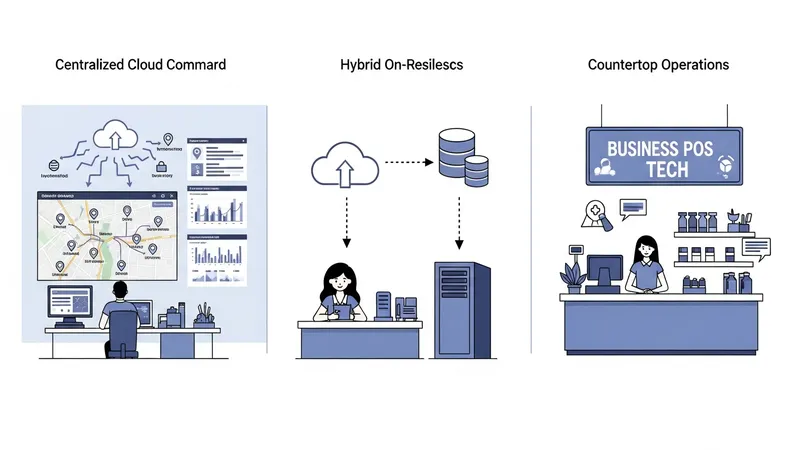
Cloud-hosted point-of-sale systems often provide remote data storage, automatic software updates, and centralized device management. Retailers in multi-location settings typically use cloud solutions to maintain synchronized inventory and consolidated reporting across outlets. Conversely, on-premises deployments keep databases locally and may be used where internet access is unreliable or where data residency preferences exist. Hybrid arrangements can combine local transaction capture with periodic cloud synchronization, allowing operations to continue during short outages while still enabling centralized oversight when connectivity is available.
Mobile and tablet point-of-sale applications are frequently adopted for supplemental checkouts, events, or small-footprint stores. These applications may communicate with cloud services or local servers and typically support accessories such as mobile card readers and Bluetooth receipt printers. For fixed-terminal environments, retailers often integrate dedicated POS terminals with barcode scanners and cash drawers to support higher transaction volumes. Choice of hardware commonly reflects expected throughput, physical layout, and staff ergonomics rather than feature differences in the software itself.
When evaluating deployment models, operators may weigh factors such as scalability, maintenance burden, and total cost of ownership. Cloud models often shift upkeep to the provider and can simplify scaling to additional terminals, while on-premises solutions may require more internal IT resources. Data backup strategies, update schedules, and support access are practical considerations; for example, retailers may plan for local backup if they rely on continuous operation. These considerations typically affect operational continuity and administrative load more than core transactional functionality.
Integration with other retail systems is a common influence on deployment choice. E-commerce platforms, accounting tools, and warehouse management systems often require APIs or data export/import routines to maintain consistent records. Cloud-based POS systems may provide native connectors to popular online platforms, while on-premises setups may rely on custom integrations or middleware. Evaluating existing systems and mapping desired data flows can clarify which deployment model aligns with broader operational needs.
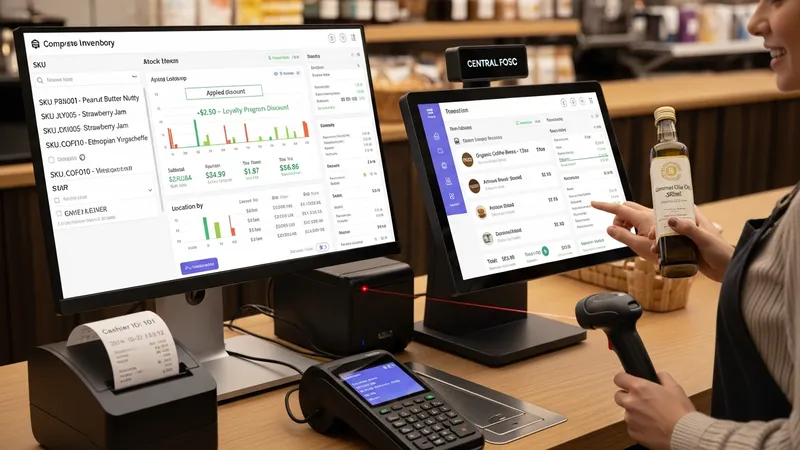
Transaction processing modules within point-of-sale software typically handle item lookups, discounts, tax calculations, and receipt generation. These modules often support multiple tender types and may record transaction metadata such as cashier ID, timestamps, and transaction notes. For returns and exchanges, systems commonly track original sales references and may restrict actions based on configured permissions. Such controls can be useful for loss prevention and audit trails, although their effectiveness depends on consistent application of defined workflows by staff.
Inventory features commonly include stock level tracking, SKU management, and location-based quantities. Advanced modules may add features like batch or lot tracking, serialized items, and automated reorder suggestions driven by historical sales velocity. Integration with barcode systems reduces manual entry errors and can speed receiving and point-of-sale scanning. Retailers often find that inventory accuracy improves with disciplined receiving procedures and periodic cycle counts; POS tools usually provide transaction logs that support reconciliation activities.
Sales reporting and analytics components aggregate transaction data to provide insights such as category performance, peak selling times, and product-level profit margins when cost data is provided. Reporting frequency can range from real-time dashboards to scheduled daily or weekly exports. These outputs may inform staffing plans and merchandising decisions, but they typically require alignment between reporting parameters and operational definitions (for example, how discounts or promotions are recorded). Clear definitions of metrics help ensure reports are interpreted consistently.
Customer management functions within POS solutions may capture contact details, purchase history, and loyalty program interactions. When used, loyalty features can track points, rewards, or membership tiers tied to transactions processed through the system. Privacy and data protection considerations often accompany customer data retention; operators typically adopt policies on data access, retention periods, and consent. Linking customer records to sales data can provide context for returns, targeted communications, and lifetime value assessment, provided such practices comply with applicable data protection norms.
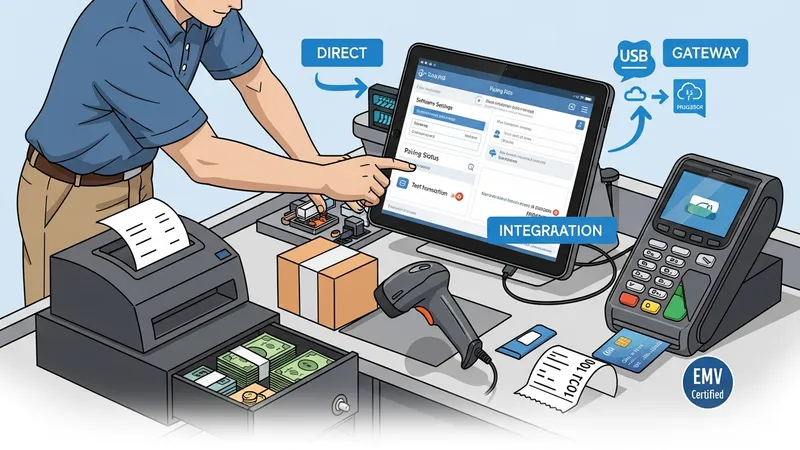
Common hardware elements in retail point-of-sale setups include payment terminals, barcode scanners, receipt printers, cash drawers, and tablets or fixed terminals. Payment terminals that accept EMV chip cards and contactless methods may be paired with the POS software for authorization and settlement. Barcode scanners reduce manual input error for high-volume product scanning. Compatibility between software and hardware often depends on supported drivers or communication protocols, so testing peripherals with intended POS software is a frequent practical step before wide deployment.
Integration between POS software and payment processing hardware can follow direct or indirect models. In direct integrations, the POS transmits transaction information to an attached terminal that handles card interaction and returns an approval code. Indirect or gateway-based models may route payment data through a third-party processor. Each model can affect the ease of adding new payment methods, certification requirements, and the technical steps needed for EMV or contactless acceptance. Retailers often assess processor-agnostic options when they prefer switching commerce partners without major hardware changes.
Peripheral selection may depend on store layout, transaction volume, and mobility needs. For example, fixed checkout lanes often prioritize robust, wired scanners and printers, while smaller or mobile setups may opt for Bluetooth or battery-powered devices. Power and network topology are operational considerations; PoE (Power over Ethernet) or USB connections can reduce cable clutter. Retailers commonly document hardware inventories and serial numbers to streamline warranty claims and replacement planning, which can reduce downtime when devices fail or require service.
APIs and middleware are commonly used to connect POS systems with external services such as e-commerce platforms, accounting packages, and inventory management tools. These layers may normalize data formats and handle retry logic for intermittent failures. When planning integrations, stakeholders often map key data flows—orders, refunds, stock adjustments—and identify transaction reconciliation points. Thoughtful mapping can reduce discrepancies between systems and simplify troubleshooting when transaction records diverge.
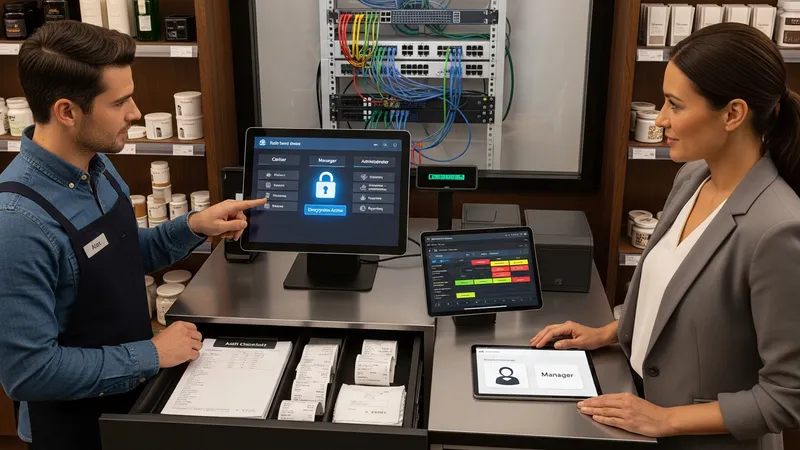
Introducing or upgrading a point-of-sale system typically affects daily workflows and staff training requirements. Cashiers and managers may need time to adapt to new interfaces, permission schemas, and reconciliation processes. Role-based access controls can help segregate duties and reduce fraud risk, but organizations often pair technical controls with procedural checks such as regular till audits. Training plans that include hands-on practice and written procedures commonly result in more consistent use of POS features across staff members.
Security considerations frequently center on payment data protection, user authentication, and system patching. Payment card industry standards and local regulations may influence technical controls such as end-to-end encryption and tokenization for card-present transactions. Regular software updates, secure password policies, and network segmentation for POS hardware can reduce exposure to threats. Retailers commonly plan periodic reviews of system access logs and reconciliation reports to detect anomalies that may warrant investigation.
Cost patterns for point-of-sale technology can include upfront hardware purchases, software licenses or subscriptions, payment processing fees, and integration or customization expenses. Subscription models may shift capital expenditure to operating expense, while one-time purchases can require ongoing maintenance budgets. When estimating costs, organizations often factor in peripheral replacement cycles, planned feature upgrades, and potential professional services for integration. Cost-benefit assessments typically consider both quantified factors such as reduced manual errors and qualitative impacts such as improved customer flow.
Data ownership and backup practices are important operational considerations. Systems that store historical transaction and customer data should have documented backup schedules and retention policies. Data portability—exporting sales, inventory, and customer records in standard formats—can support accounting needs or migration planning. Retailers often create contingency plans for data restoration and define recovery time objectives to limit operational disruption. These practices may be especially important for businesses that rely on POS data for regulatory reporting or supplier reconciliation.