
Many clinicians and practices now use integrated online systems that enable remote assessment, psychotherapy, and practice administration through secure audio‑visual communication, messaging, and recordkeeping. These systems combine synchronous video calls with asynchronous messaging, appointment calendars, electronic notes, and basic billing tools to reproduce core aspects of an in-person practice within a digital environment. The concept centers on software and services that support clinical workflows while attempting to maintain confidentiality, documentation, and continuity of care.
Typical implementations pair a clinician-facing interface for session management and clinical notes with a client portal that handles appointment requests, intake forms, and secure messaging. Additional components often include measurement instruments, consent workflows, and interfaces for third‑party services such as insurance claims or laboratory results. Functionality, user experience, and the degree of integration can vary; available options may focus on single features (for example, video only) or bundle multiple administrative and clinical capabilities.
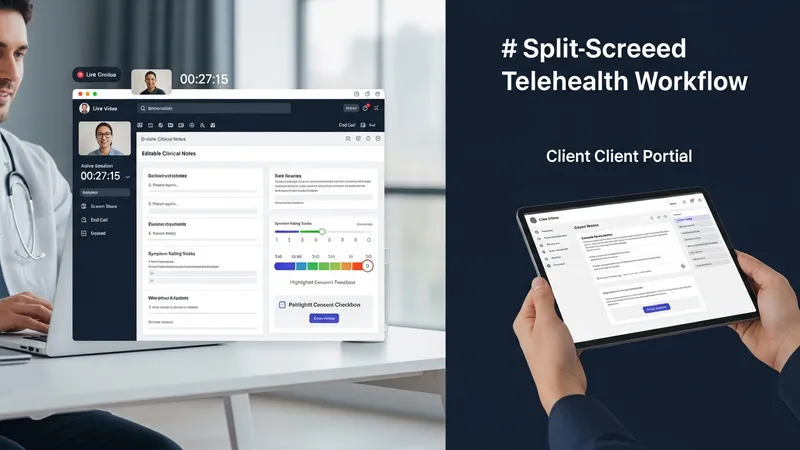
Comparing these example categories often clarifies how a service aligns with practice needs. Video-first systems may specialize in real‑time session stability, bandwidth optimization, and clinician controls for virtual session settings. Scheduling-oriented platforms may prioritize calendar integrations, automated reminders, and intake forms that reduce administrative friction. Documentation-focused tools may include structured templates and outcome tracking that can support clinical measurement. Each category frequently overlaps; many offerings combine elements to support multiple parts of a clinician’s workflow.
Security and privacy measures are central considerations across all system types. Typical safeguards may include transport-layer encryption, role-based access controls, audit logs, and options for data residency. Documentation and consent workflows often accompany technical safeguards, with platforms providing templates or fields to record informed consent for remote care and data handling. Regulatory and professional obligations differ by jurisdiction, so platform capabilities for exportable records or configurable retention settings can be relevant to compliance efforts.
Integration with administrative functions commonly affects day-to-day efficiency. Appointment scheduling that syncs with calendar applications, automated appointment reminders sent by email or SMS, and basic invoicing or payment processing modules can reduce manual tasks. Some systems offer connections to third-party billing and practice management services or support standard export formats for statements and claims. The degree of automation and supported payment or payer workflows typically varies by product and market segment.
Clinical usability is another dimension where solutions diverge. Some interfaces prioritize streamlined session initiation and whiteboard or screen-sharing features that may be useful in psychotherapy or psychoeducation. Others emphasize built-in assessment tools, progress tracking dashboards, or structured note templates aligned to clinical frameworks. Training and onboarding materials, as well as configurable templates, often influence how readily a clinician can adapt the software to existing therapeutic processes.
In summary, the core concept involves electronic systems that bring together live communication, client-facing portals, recordkeeping, and administrative tools to support remote clinical practice. Offerings may specialize in real‑time video, administrative automation, or documentation and measurement; many products combine these capabilities to varying degrees. The next sections examine practical components and considerations in more detail.
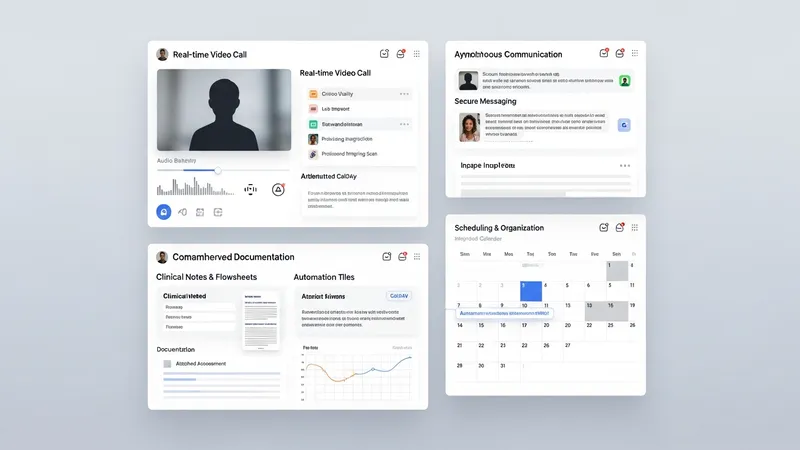
Feature sets typically cluster around real‑time communication, asynchronous messaging, scheduling, documentation, and administrative automation. Real‑time communication components focus on video and audio stability, echo cancellation, and adjustable video quality depending on bandwidth. Asynchronous messaging may include secure text exchanges, file transfer, and structured intake forms. Scheduling features commonly offer calendar synchronization, buffer rules, and automated reminders. Documentation modules provide note templates, clinical flowsheets, and the ability to attach assessments. Administrative automation can handle invoicing, receipts, and basic reporting that supports practice administration.
Interoperability and integration options often differentiate platforms. Common integrations include single sign-on (SSO) with workplace identity providers, calendar sync (e.g., iCal/CalDAV), and export or API connections to electronic health record systems or measurement registries. Platforms may expose application programming interfaces (APIs) or data export tools (CSV, PDF, CCD) that allow clinicians to move records or reporting to complementary systems. When interoperability is important, practitioners may weigh supported standards and export formats.
User experience features can materially affect adoption and session flow. Clinician interfaces that present session notes, consent documentation, and outcome measures in the same screen may reduce context switching. Client portals that guide users through test connections, intake steps, and billing information may lower no‑show rates. Accessibility features—such as adjustable font sizes, captioning, or mobile-optimized layouts—may improve access for diverse client populations. Usability testing and platform demos often reveal practical differences in daily workflows.
Performance and reliability considerations typically include uptime, latency, and support for variable network conditions. Some systems implement adaptive bitrate streaming to maintain call continuity on unstable connections. Platform-level logging and session diagnostics can help troubleshoot technical issues during appointments. Many organizations consider backup workflows (for example, a fallback telephone contact process) as part of routine planning for sessions that experience technical interruptions.
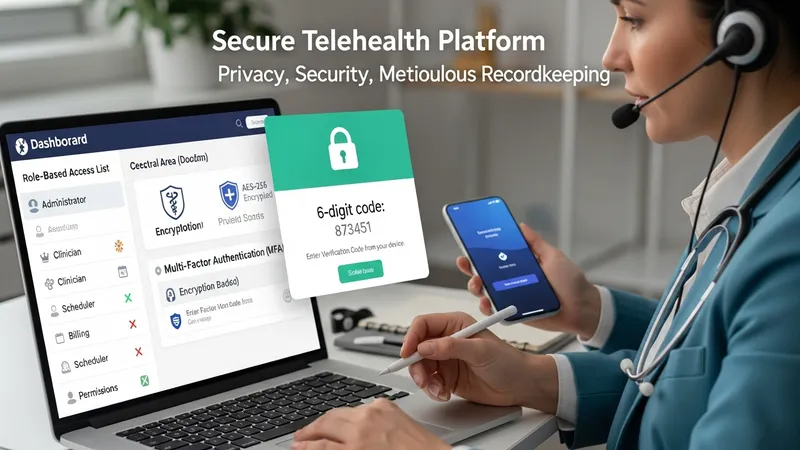
Security and privacy practices usually combine technical, administrative, and contractual measures. Technical measures may include end-to-end or transport-layer encryption, multi-factor authentication for clinician accounts, and encrypted data storage. Administrative measures often cover role-based access controls, routine account reviews, and staff training on data handling. Contractual measures can include data processing agreements that clarify responsibilities for data protection. Platforms commonly document these elements in security whitepapers or compliance pages that practitioners may review to assess alignment with professional obligations.
Recordkeeping and data retention options vary across systems. Some platforms provide configurable retention periods, exportable archives of client notes, and audit trails showing access events. Others may only offer limited export capabilities, which can influence choices where long-term record access or jurisdictional data residency requirements matter. Clinicians often consider whether the platform supports standard note export formats or can generate legally admissible records in line with local regulations.
Consent and emergency planning are practical privacy-adjacent topics. Systems may include templates for documenting informed consent specific to remote sessions, disclosures about potential technical limitations, and client preferences for contact methods. Emergency procedures—such as collecting local emergency contact information and clarifying crisis response protocols—are often integrated into intake workflows or clinician checklists. Clear documentation of these processes can assist clinicians in demonstrating that remote care protocols were followed.
Third-party services and vendor risk may also be relevant. Platforms that rely on external cloud providers, analytics tools, or payment processors typically disclose subprocessors and data flow diagrams. Practitioners may evaluate vendor transparency, data minimization practices, and whether vendors provide mechanisms to limit data use for nonclinical purposes. Where privacy laws apply, contractual clauses and data handling policies can be critical to assess rather than relying solely on marketing claims.
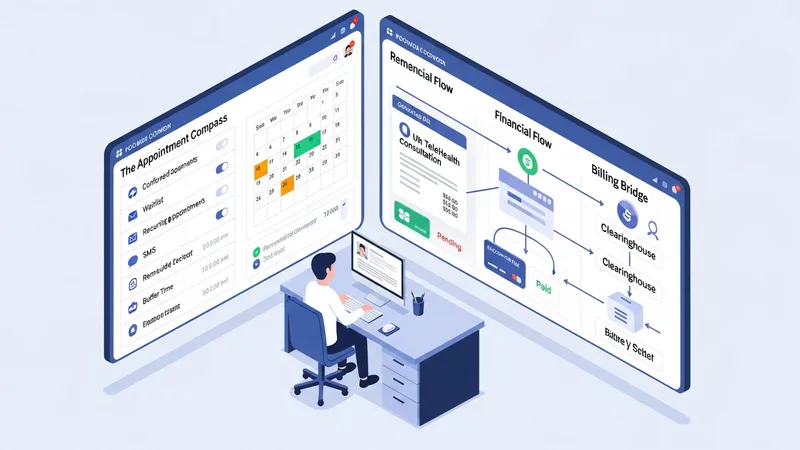
Administrative modules often address appointment management, automated reminders, and basic invoicing. Scheduling systems may support waitlists, recurring appointments, and buffer times between sessions. Reminder controls typically let practices choose timing and channels (email, SMS), subject to local communication rules. Invoicing features may generate simple bills or receipts and accept integrated payments through third‑party processors. The extent of automation varies widely; some platforms focus mainly on scheduling while others offer fuller practice-management functionality.
Billing and payer interactions can be complex and jurisdiction-dependent. Platforms may assist by exporting encounter details in formats compatible with billing systems or by offering integrations to clearinghouses and practice management software. Coding guidance, claim submission workflows, and payer-specific rules are usually managed outside the platform or via third-party integrations, so clinicians often confirm compatibility with local billing processes. Reimbursement policies for remote services vary by region and payer, so platforms rarely guarantee coverage but may facilitate documentation that supports claims.
Revenue flow and payment processing features differ in risk and fees. Integrated payment processors can streamline client payments and produce transaction records, but they may impose processing fees and require merchant agreements. Platforms sometimes provide two options: in-platform payments for convenience or external invoicing that practitioners manage with separate accounting software. The choice can affect reconciliation and reporting practices for a small practice or larger clinic.
Operational reporting and analytics may be available to support administrative decision-making. Typical reports include appointment utilization, cancellation rates, revenue summaries, and basic clinical activity logs. These reports can help practices monitor workload and identify patterns in service delivery. Exportable reports and data portability features often support further analysis in external accounting or business intelligence tools.
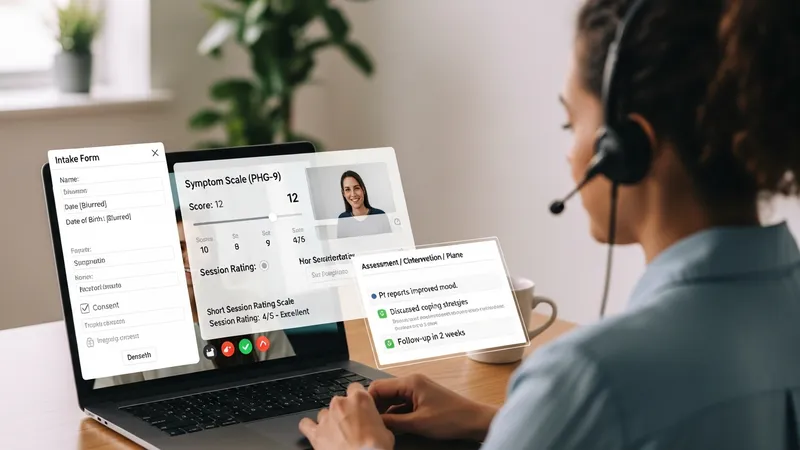
Clinical workflows in remote settings commonly adapt in-session processes and pre/post-session tasks. Intake workflows may collect demographic data, consent for remote care, and baseline assessment measures before the first appointment. During sessions, clinicians may use digital tools for questionnaires, screen sharing for psychoeducation, and outcome measures to track progress over time. Post-session notes often combine narrative observations with structured fields to capture interventions and follow-up plans; templated notes may reduce administrative burden while supporting consistent documentation.
Assessment and measurement tools are frequently integrated or supported through attachments and links. Standardized symptom scales, functional assessments, and session rating scales may be embedded within the client portal or administered via secure surveys. Measurement-based care workflows that capture repeated measures can assist clinicians in monitoring treatment response; platforms that support longitudinal tracking and export of scores may facilitate supervision and quality monitoring without asserting specific clinical benefits.
Adapting clinical technique and managing therapeutic boundaries are practical considerations. Clinicians may develop local protocols about session start and end processes, contingency plans for disconnection, and methods for verifying client identity when needed. Some practitioners document technical checks and emergency contact details in the record. Training resources, simulated sessions, and peer review may support clinicians in refining remote-specific competencies while ensuring that documentation reflects clinical reasoning and risk management.
Accessibility and equity considerations often affect platform choice and workflow design. Client access to reliable internet, appropriate devices, and private spaces can vary, so platforms that offer low-bandwidth options or telephone fallback may increase participation. Language support, captioning, and compatibility with assistive technologies can also influence accessibility. Recording decisions, client consent for recordings, and storage policies should be clearly documented in line with local rules and professional expectations.