
Many organizations provide specialized services to protect computing environments, data, and users from unauthorized access, disruption, or misuse. These providers typically combine technology products, monitoring services, and incident handling processes to reduce exposure to cyber threats. Their offerings often cover components such as perimeter controls, host-level defenses, identity verification, threat detection, and response coordination, with delivery models that range from on-premises appliances to managed cloud services.
Such firms may work with diverse customers — from small teams to large enterprises — and may integrate multiple capabilities into a coherent defensive posture. Engagements can include continuous monitoring, scheduled assessments, policy consulting, and hands-on incident work. The scope and depth of services usually vary by organizational size, regulatory environment, and the complexity of existing IT and cloud architectures.
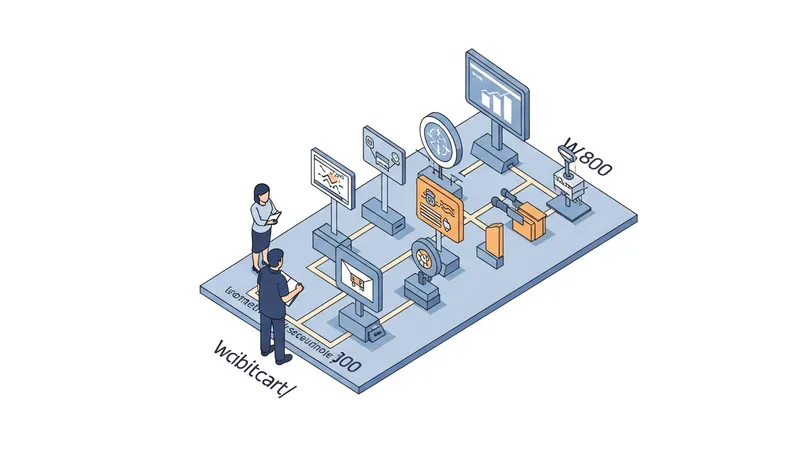
Different service models may apply these tools in distinct ways. For example, a managed detection and response (MDR) engagement typically pairs EDR and SIEM data with a security operations center (SOC) team that reviews alerts and coordinates response steps. Alternatively, advisory engagements often focus on architecture and policy, where IAM and network segmentation recommendations may be prioritized. These service distinctions can influence expected monitoring windows, escalation paths, and documentation deliverables.
When evaluating technical coverage, it helps to consider how vendors integrate telemetry sources. Some providers emphasize broad data ingestion across network flows, endpoints, cloud logs, and identity services, which can improve correlation but may increase data volume and cost. Others emphasize targeted telemetry with curated alerts to reduce false positives. Organizations often balance the breadth of visibility against practical constraints such as retention needs, privacy considerations, and available analyst capacity.
Vulnerability assessments and penetration tests are common components that complement continuous detection. Assessments typically map known weaknesses in software or configurations at scheduled intervals and may produce prioritized remediation lists. Penetration testing simulates attacker techniques to validate controls and response procedures. Both approaches can be applied at different layers — applications, infrastructure, and cloud services — and may be repeated periodically to track remediation progress.
Incident response capabilities vary from playbook development and tabletop exercises to hands-on containment support during an active compromise. Providers often supply defined response roles, forensic data collection, and restoration planning. The level of involvement may be time-bound or ongoing; some engagements are retainer-based to ensure rapid access to expertise, while others are one-off engagements triggered by detected or suspected incidents.
In summary, specialist security firms assemble combinations of preventative controls, detection platforms, and response services to address diverse cyber risks. These offerings may be configured and scaled according to organizational size, technology stack, and compliance requirements. The next sections examine practical components and considerations in more detail.
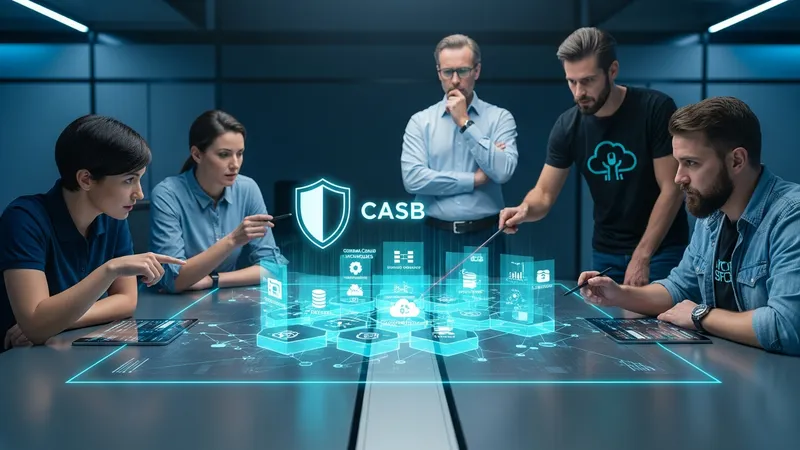
Service portfolios from security providers commonly group into prevention, detection, and response categories. Preventative measures include firewalls, secure configuration, and patch management aimed at reducing attack surface. Detection services use logging, endpoint telemetry, and behavioural analysis to identify anomalies. Response capabilities provide containment, remediation, and post-incident review. Each category may be delivered as a product, a managed service, or a hybrid engagement combining client staff with external analysts, and typical selections depend on operational priorities and available internal expertise.
Network-level protections may include next-generation firewalls, intrusion detection/prevention systems (IDS/IPS), and segmentation strategies to limit lateral movement. Endpoint protections such as EDR agents often collect process, file, and network activity on hosts. Cloud-native settings require additional controls like workload microsegmentation and cloud access security broker (CASB) functions. Providers typically advise on configuration and ongoing validation rather than replacing existing controls outright, and many engagements start with a mapping of current controls to identify observable gaps.
Monitoring and analytics services often rely on SIEM or unified logging platforms to correlate data across sources. These systems can be tuned to reduce alert noise by applying contextual filters and threat intelligence indicators. Analysts may use playbooks to triage common alert types; playbooks are commonly organized by incident category (malware, credential compromise, data exfiltration) and may include escalation matrices. Organizations often assess expected mean time to detection and mean time to response as performance measures when comparing service options.
Advisory and compliance-oriented services are also frequent, offering gap analyses, policy development, and control alignment to industry frameworks. These may include assistance with access-control policies, encryption standards, or audit preparation. Such engagements may produce roadmaps that phase technical changes and process improvements. Clients often value clear documentation of responsibilities and handoff points between internal teams and external providers to reduce ambiguity during routine operations and incidents.
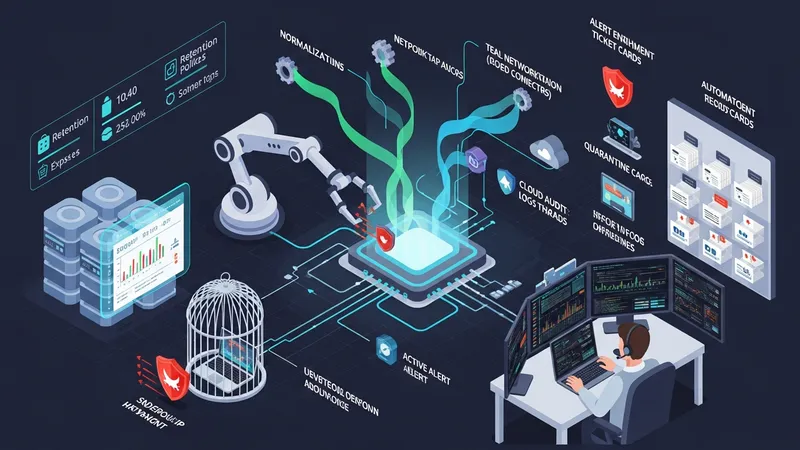
Effective technical integration typically depends on the consistency and quality of telemetry collection. Tools such as EDR agents, network taps, cloud audit logs, and identity logs feed a central analysis layer; the completeness of that feed can affect detection coverage. Integration choices may also influence data retention policies and storage costs. When tools are combined, normalization and schema mapping are common tasks so that events from diverse sources can be correlated reliably without excessive false positives.
Automation and orchestration features can accelerate routine defensive tasks. Security orchestration, automation, and response (SOAR) platforms may be used to automate alert enrichment, containment actions, and ticketing workflows. Automation often handles repetitive steps such as blocking malicious IP addresses or isolating endpoints, while human analysts focus on complex investigation steps. The appropriate level of automation is typically determined by risk tolerance and the potential impact of automated actions on business systems.
Threat intelligence feeds commonly supplement local telemetry by providing indicators of compromise and contextual threat actor information. These feeds may be commercial, community-driven, or internally generated from incident data. Providers often advise on prioritizing indicators relevant to the client’s sector and technology stack to reduce irrelevant noise. Correlating external intelligence with internal logs can help validate suspicious activity and guide containment decisions.
Testing and validation tools are used to ensure defenses operate as intended. Red team exercises, purple team sessions, and continuous security testing platforms can reveal configuration gaps and detection blind spots. Test results are often converted into measurable action items, such as tuning detection rules or adjusting segmentation. Regular validation can support incremental improvement of detection and response processes while helping organizations justify investment in specific controls.
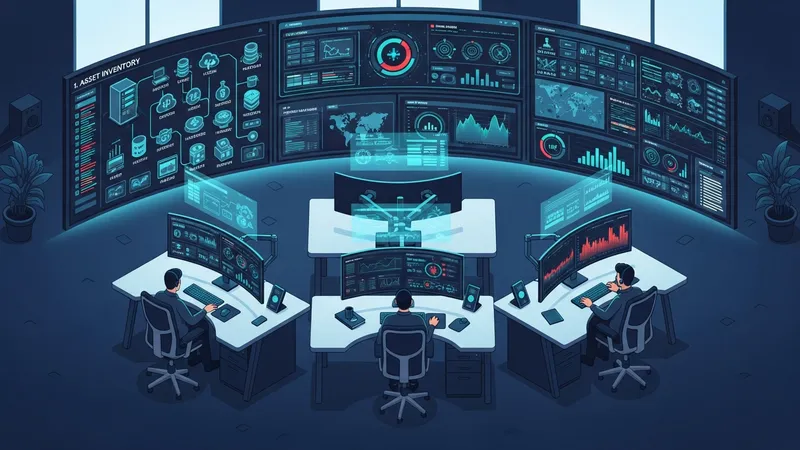
Risk assessments establish the relative importance of assets and the likely impact of potential incidents. Providers commonly use asset inventories, threat modeling, and business-impact analysis to prioritize defensive effort. The prioritization may focus remediation resources on systems with the highest value or exposure. Assessments often produce risk registers and suggested control mappings to common frameworks; these deliverables typically inform ongoing vulnerability management cycles.
Vulnerability scanning and penetration testing are complementary approaches used to find weaknesses. Scanning offers frequent automated checks against known signatures and CVEs, while penetration testing simulates more sophisticated attack paths. Results from both activities may be ranked by severity and exploitability, and remediation guidance commonly includes configuration changes, patching schedules, or compensating controls. Repeat scans help measure improvement over time and track unresolved findings.
Incident response planning typically involves defined playbooks, communication protocols, and role assignments. Playbooks map detection triggers to response steps, containment options, and forensic data collection needs. Tabletop exercises may be conducted to validate procedures and clarify decision authorities. Providers that assist with planning often emphasize the importance of documenting legal, regulatory, and stakeholder notification requirements so that response activities align with organizational obligations.
Post-incident activities include root-cause analysis, remediation verification, and lessons-learned reporting that can feed back into security controls and training programs. Such follow-up may result in updated detection rules, revised access policies, or targeted user awareness efforts. Organizations frequently use these outcomes to refine vendor engagements and to identify capability gaps that merit longer-term investment.
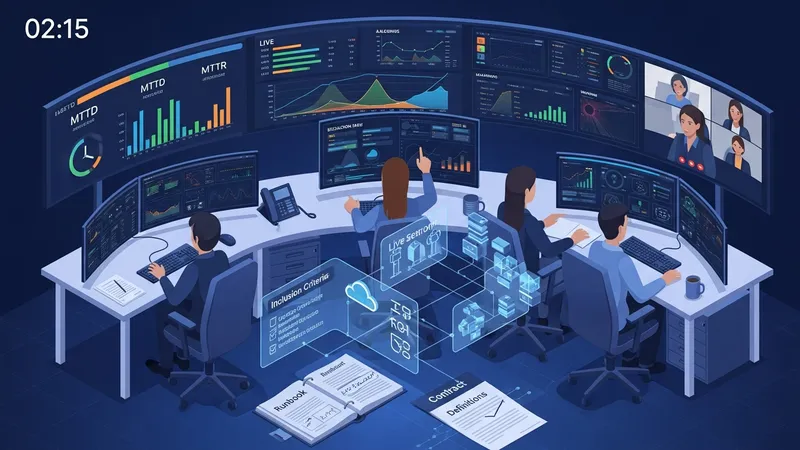
Service level expectations and measurement are important operational considerations. Common metrics include mean time to detect (MTTD), mean time to respond (MTTR), and alert volumes per analyst. These metrics may be reported in dashboards or regular reviews and can inform resource planning. How metrics are calculated should be clarified in contracts or engagement documents, since differing definitions can make comparisons misleading. Transparency around data sources and inclusion criteria helps ensure useful, comparable reporting.
Staffing models vary: some organizations build internal security operations centers, while others use fully managed services or blended models. Where external analysts are used, clear escalation paths and contact protocols are typically established. Knowledge transfer and runbook alignment are common considerations to reduce dependency risk. Staffing decisions often balance the need for 24/7 coverage, the cost of analyst time, and the availability of specialized skill sets.
Cost structures for services can include fixed retainers, consumption-based pricing, or project fees for discrete assessments. Cost drivers often include data ingestion volumes, retention periods, the number of monitored endpoints or cloud workloads, and on-call coverage requirements. Budgeting decisions may weigh the relative value of prevention versus detection and response capabilities, with many organizations starting with visibility-building activities before layering more advanced analytic services.
Continuous improvement processes help maintain the relevance of security services as environments change. Regular reviews of alert tuning, control efficacy, and incident trends may produce action items that iteratively improve detection and response. Providers often recommend periodic reassessments of asset inventories and threat models so that monitoring priorities remain aligned with the most likely and impactful risks. These review cycles can help organizations adapt to evolving technology and threat landscapes.
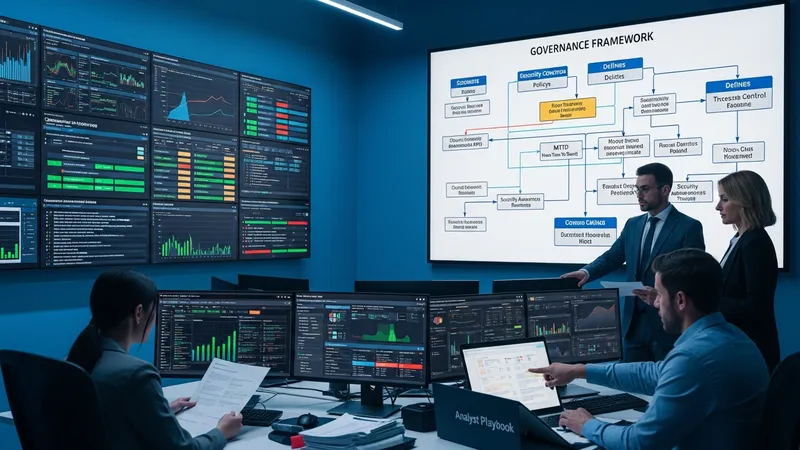
Governance frameworks provide structure for allocating responsibility for security controls and oversight. Common frameworks map controls to policies, roles, and performance indicators. Compliance-related activities may include evidence collection, control testing, and gap remediation aligned to regulatory or industry standards. Providers often support evidence collection through logging practices and reporting templates, which can reduce the administrative burden of audits when properly implemented.
Long-term capability development often includes training, documentation, and iterative updates to tool configurations. Training may cover analyst playbooks, secure development practices, or user awareness content. Documentation of architecture, monitoring coverage, and escalation paths supports operational continuity and can accelerate onboarding of new staff or vendors. Capability roadmaps frequently prioritize visibility, detection effectiveness, and automation milestones over multi-year spans.
Vendor management and third-party risk are relevant since many environments rely on outsourced infrastructure or software. Assessing upstream provider security controls, contractual protections, and incident notification terms helps clarify shared responsibilities. Organizations often track third-party risk through questionnaires, attestations, and periodic re-evaluations to ensure alignment with their own security and compliance posture.
Measuring maturity can combine qualitative and quantitative inputs, such as control coverage matrices and incident performance metrics. Maturity assessments may be used to set realistic improvement targets and to justify investments in staffing, tooling, or process changes. Over time, organizations typically seek a balance between preventative controls and detection/response capabilities so that investments reflect evolving risk and business requirements.