
Flexible workspace offerings from a global provider typically combine short-term private offices, shared coworking areas, meeting rooms, virtual business addresses, and membership plans that allow access by the hour, day, or month. These arrangements are intended to reduce reliance on long-term commercial leases by providing furnished, serviced spaces in multiple locations with administrative support and shared amenities. The model is organized around varying levels of privacy and commitment: private suites for teams, dedicated desks for regular users, hot-desking for occasional presence, and bookable meeting rooms for client-facing activities.
Operationally, such workspace networks often manage reception services, internet connectivity, cleaning, and basic office infrastructure centrally while offering location-level variations in size, design, and available services. Pricing structures commonly separate room rental, membership access, and optional extras such as printing, telephone lines, and on-site business services. The emphasis in these arrangements is typically flexibility in contract length, scalability of space, and availability of professional common areas suited to different work patterns and organisational needs.
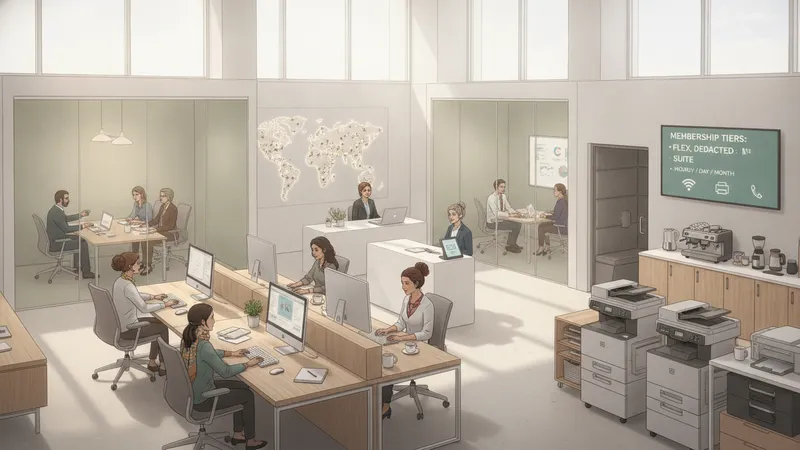
Private office suites typically provide secure, enclosed space for teams and may include utilities, cleaning, and reception. These suites often vary by size and layout, allowing a company to scale by moving between available rooms in the same network rather than negotiating a new lease. When estimating cost, organisations often consider per-person desk rates or whole-suite monthly fees; such figures may vary widely by location and market demand and should be treated as approximate. Operational flexibility and location choice can make private suites appealing for firms seeking predictable workspace without long-term property commitments.
Coworking and hot-desking arrangements emphasize shared infrastructure and community settings. Users may access pools of desks in open-plan layouts, typically paying for day passes, monthly memberships, or on-demand access. These settings can support networking, reduce overhead for freelancers and small teams, and provide amenities such as meeting rooms and communal kitchens. The open format often requires behavioral norms around noise and privacy, and many providers implement booking systems or designated quiet zones to accommodate varying work styles and concentration needs.
Meeting rooms and event spaces within flexible office networks are commonly bookable by the hour and range from small interview rooms to larger presentation spaces with audio-visual equipment. These rooms are designed to support client meetings, interviews, workshops, and presentations without requiring a company to maintain a permanent conference facility. Availability and hourly rates can fluctuate with location and time of day; organisations typically weigh convenience and technical support options when choosing a space for external-facing meetings.
Virtual office services offer a professional business address, mail handling, and telephone answering without a physical workstation. For companies that need a local presence in multiple cities or wish to separate registered address from operational premises, virtual services can provide administrative convenience. Providers often combine these with occasional physical access options, such as meeting room credits or day-passes, to allow intermittent in-person activities while maintaining a lean occupancy model.
In summary, flexible workspace networks integrate a mix of private offices, shared coworking areas, meeting rooms, and virtual office options that typically allow organisations to scale space and services with reduced lease commitments. Cost structures and available amenities can vary by location and plan, and different combinations of space types can suit varying operational needs, from single-person professionals to multi-location teams. The next sections examine practical components and considerations in more detail.
Private offices in flexible networks often range from single-person units to multi-room suites and may be furnished and connected with standard utilities. Layout decisions can influence collaboration and confidentiality: interior partitioning, glass walls, or solid partitions each affect sound control and visual privacy. Dedicated desks provide regular assigned workspace in a shared room, while hot desks are unassigned and intended for episodic use. Organisations often evaluate how each layout aligns with their workflow, remote-work patterns, and the need for meeting or collaboration spaces, bearing in mind that space availability can vary across locations and markets.
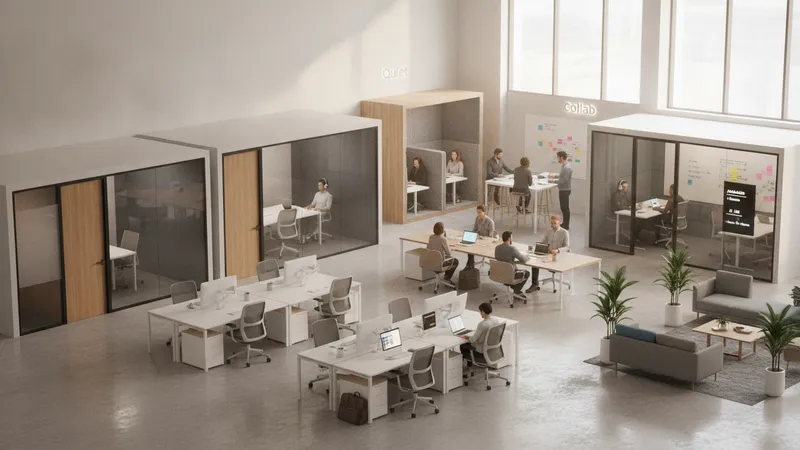
Coworking areas typically include communal seating, lounge spaces, and bookable rooms for short meetings; these spaces can foster informal interactions but may require policy around noise and phone use. Many operators segment zones by activity—quiet zones for focused tasks, collaboration zones for group work, and social areas for informal interaction. Choice of layout may affect employee experience and may influence retention and productivity indirectly, so companies often pilot arrangements or combine desk types to match hybrid working patterns and team structures.
Meeting rooms in flexible networks can be equipped with video-conferencing facilities, projection systems, and whiteboards, but venue features commonly differ by site. When selecting meeting spaces, organisations often consider room capacity, AV support, arrival logistics, and proximity to public transport. Hourly booking options permit intermittent access without long-term overhead; however, frequent external meetings may make recurring or bundled access more convenient. Providers commonly publish room specifications and booking rules to help clients select an appropriate room for the intended activity.
When assessing locations, proximity to transport, local amenities, and the surrounding business environment often factor into decision-making. Multi-location operators typically offer a network of buildings in central business districts and suburban areas, which can support distributed teams or satellite operations. Location choice may influence cost, commuting time for employees, and client perceptions; organisations frequently balance these variables against available budget and strategic priorities when integrating flexible spaces into their real estate strategy.
Pricing models in flexible workspace networks may include hourly room rates, daily passes, monthly memberships, and whole-suite leases on flexible terms. Fee components commonly cover base rent, utilities, cleaning, and building services; optional add-ons such as printing, dedicated phone lines, or additional meeting-room credits may incur separate charges. Because markets differ, published figures should be viewed as illustrative: per-desk monthly rates can vary substantially by city and by building grade. Organisations typically compare total occupancy cost against traditional leases, accounting for flexibility and included services.

Contract terms often emphasize shorter notice periods and the ability to scale up or down within the provider’s network. Some providers may offer rolling monthly agreements or minimum-term commitments; others may require longer notice for large suites. Flexibility can reduce the administrative burden of fitting space to fluctuating headcount, but users should review terms for service-level details, cleaning schedules, and any additional fees. Transparent understanding of cancellation terms and billing cycles is commonly recommended when evaluating options.
Membership structures may bundle access levels—local-only access versus network-wide access—with different pricing and benefits. For organisations with distributed staff, network-wide access can facilitate mobility between sites, while single-location plans may be more economical for stable teams. Billing practices also vary, with some providers offering credits for meeting-room use or pooled services. Financial comparisons often include administrative savings from shared reception and IT infrastructure when weighing these models against conventional office holdings.
When forecasting occupancy costs, many companies model scenarios that account for remote-work ratios and peak in-office days. This can reveal if a mix of dedicated desks and hot-desking covers headcount efficiently or if private suites are needed for core onsite teams. Planning for transitional needs—such as temporary project teams or seasonal staffing—often factors into selecting contract lengths and access types. These assessments commonly aim to align workspace costs with expected utilisation patterns rather than predicting exact future occupancy.
Common amenities in flexible workspace networks include reception and mail handling, high-speed internet, printing services, kitchenettes, and cleaning. Some locations add concierge services, on-site cafes, or wellness rooms depending on building facilities. Technology offerings typically range from standard Wi‑Fi to dedicated leased lines or managed network options for larger suites. Availability and specification of these services can vary by site, so organisations often inquire about service levels and redundancy options for critical operations.
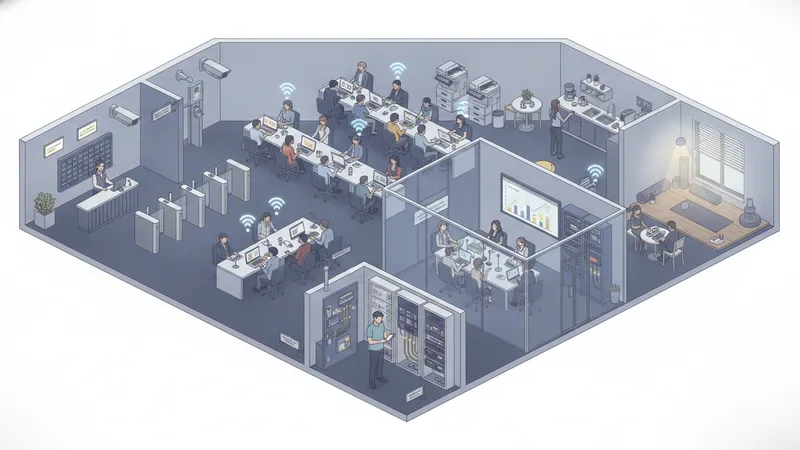
IT and AV support are frequently available as on-demand services or via included support packages; for teams that run frequent video conferences or client presentations, robust AV and reliable bandwidth are important considerations. Security features commonly include controlled access, CCTV, and building-level badge systems. For companies handling sensitive information, it may be useful to clarify data handling practices, visitor protocols, and any privacy-related safeguards provided at specific locations.
Operational support can include reception staffing, call handling, and basic administrative services; larger networks sometimes provide optional business support such as secretarial assistance or event coordination. These services can reduce the need for in-house administrative staff for small teams. Organisations typically evaluate which services they require regularly and which can be engaged ad hoc, factoring service scope and associated charges into occupancy planning and monthly budgets.
When comparing amenity packages, an informative approach is to list must-have versus nice-to-have features and to match those against typical pricing tiers for different locations. This helps clarify value and avoids paying for seldom-used services. Additionally, visiting prospective sites to assess actual conditions—noise levels, desk ergonomics, and communal area use—can provide practical insight beyond provider descriptions and help align expectations with day-to-day experience.
Adopting flexible workspace options often requires internal policy adjustments, such as guidelines for desk booking, visitor management, and equipment storage. Clear policies can help employees understand available resources and expectations for shared areas. For hybrid teams, scheduling tools and defined quiet or collaboration zones can mitigate conflicts and support predictable space usage. Organisations commonly pilot different access models to gather usage data before committing to a particular mix of private and shared spaces.
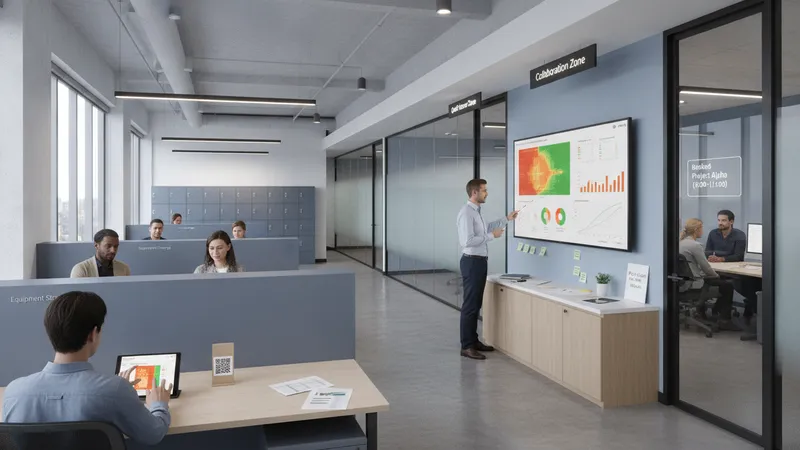
Measuring utilisation is an operationally useful practice: tracking peak occupancy days, meeting-room booking frequency, and desk reservation rates can inform whether the chosen mix of services matches actual needs. Analysis of these metrics over several months may reveal patterns—such as high meeting demand on certain weekdays—that guide adjustments to membership levels or room credit allocations. Such metrics are typically used to align space commitments with observed behaviour rather than speculative forecasts.
Security and compliance considerations may influence space selection for certain activities. Companies handling regulated data or requiring secure environments often seek sites with private, lockable suites and enhanced access controls. It is generally prudent to document any compliance requirements and confirm how a provider’s standard practices align with them. Where necessary, organisations can arrange for additional measures or locate activities that handle sensitive information to spaces that meet their operational security needs.
Finally, integrating flexible space into a broader real estate strategy often involves balancing cost, employee experience, and business continuity. Some organisations maintain a smaller central hub for core staff and supplement it with network access for distributed teams. Others utilise network locations for temporary project space. These approaches commonly aim to preserve flexibility while maintaining a coherent operational framework. Readers may find it helpful to evaluate short pilots and revisit arrangements periodically to ensure alignment with evolving work patterns and organisational goals.