
Professional chauffeur transportation refers to privately arranged travel in vehicles driven by trained drivers who operate to a schedule or on an hourly basis. These services typically provide ride arrangements for airport transfers, corporate travel, special events, and on-demand point-to-point journeys. Vehicles vary in size and configuration to match passenger counts and luggage needs, and bookings may be organized through operators, corporate accounts, or digital platforms that coordinate drivers, vehicles, and timing.
Such chauffeur-driven services usually separate vehicle type, driver qualifications, and booking model as primary components. Bookings can be single trips, hourly charters, or multi-stop itineraries, and operators commonly apply service standards for appearance, route planning, and luggage handling. Regulatory and insurance requirements often influence vehicle selection and operational practices, and clients typically expect clear communication about timing, vehicle capacity, and any additional amenities offered during travel.

Vehicle selection reflects a balance of passenger count, luggage needs, and itinerary complexity. Sedans may suit single travelers or small corporate transfers, while SUVs and vans accommodate extra luggage or additional occupants. Stretched limousines prioritize interior space and event-focused presentation over maneuverability. Operators often categorize their fleets by seating capacity and luggage volume, and these categorizations can influence whether a vehicle is assigned for airport transfers, city travel, or prolonged hourly service.
Booking models and scheduling practices vary across operators and markets. Point-to-point bookings are typically priced per trip and used for direct transfers, whereas hourly charters allow clients to retain a vehicle for sequential stops and waiting periods. Corporate accounts may provide negotiated terms and reporting, and digital reservation platforms can offer real-time availability and estimated arrival times. Each model may affect driver allocation, standby time policies, and how changes or delays are managed.
Pricing structures for chauffeur services commonly factor in vehicle class, trip distance, waiting time, airport fees, and local taxes. Hourly rates may include minimum booking periods and hourly increments, while transfers could incorporate flat or distance-based pricing. Additional charges for tolls, parking, or late-night services often appear as separate line items. Public information and operator disclosures often explain these components; clients may compare typical ranges rather than expect identical rates across providers.
Chauffeur qualifications and service standards aim to ensure safety, punctuality, and a professional manner. Typical expectations include background checks, valid driving credentials, knowledge of local routes, and vehicle maintenance records. Operators may establish dress codes, in-vehicle protocols for luggage handling, and customer communication standards. These operational elements can influence perceived reliability and are often listed in service descriptions to help clients match needs to available vehicle types and booking options.
In summary, professionally driven limousine and chauffeur services combine vehicle choice, booking models, pricing factors, and driver standards to support airport transfers, corporate travel, events, and hourly needs. Vehicle classes map to passenger and luggage capacity while scheduling models determine how time and stops are managed. The next sections examine practical components and considerations in more detail.
Understanding vehicle types clarifies which configuration may suit different travel needs. Sedans are commonly used for single passengers and small corporate transfers, offering easier urban navigation and moderate luggage space. SUVs and crossovers provide larger cargo capacity and may be used for small groups or when additional room is required. Executive vans and minibuses serve larger groups, often for event transfers or team movements. Stretched limousines emphasize interior space and presentation for formal occasions. Operators typically document seating and luggage specifications so clients can match vehicle choice to itinerary requirements.

Fleet composition often reflects demand patterns in a service area. In many urban markets, sedan and SUV fleets dominate due to frequent airport and corporate transfers, while minibuses increase in markets with higher group-transfer needs. Fleet maintenance schedules and vehicle age policies can vary and may be disclosed in operator materials. When selecting a vehicle configuration, consider typical passenger counts, luggage volume, route constraints such as narrow streets or height restrictions, and whether interior features such as privacy partitions or climate control are relevant to the itinerary.
Vehicle amenities and interior layouts can influence comfort and operational suitability without implying universal superiority. For instance, extended-wheelbase sedans may provide more legroom, while vans offer flexible seating arrangements for luggage versus passengers. Some vehicles include business-oriented features such as charging ports and privacy glass, which may be relevant for corporate travel. Operators may allocate specific vehicle types to particular service categories (airport transfers, events, hourly work), and these allocations can help manage expectations for capacity and comfort during different trip types.
When matching vehicle type to service need, logistical considerations can shape practical outcomes. Airport transfers often require vehicles with ample trunk space; multiple-stop itineraries may favor hourly bookings with a vehicle that accommodates both passengers and any gear. Route complexity—such as long-distance segments or city-center congestion—can affect vehicle choice, fuel planning, and anticipated travel times. These operational linkages between vehicle type and use-case are commonly addressed in operator documentation and scheduling systems as neutral planning information.
Scheduling models for chauffeur services typically include fixed transfers, hourly charters, and multi-stop itineraries. Fixed transfers are scheduled for a set pickup and drop-off time, commonly used for airport or point-to-point travel. Hourly charters retain the vehicle and driver for a duration, permitting multiple stops and waiting time, and are often structured with minimum hours and incremental charges. Multi-stop trips combine elements of both models and may require advance coordination to optimize routing and reduce idle time.
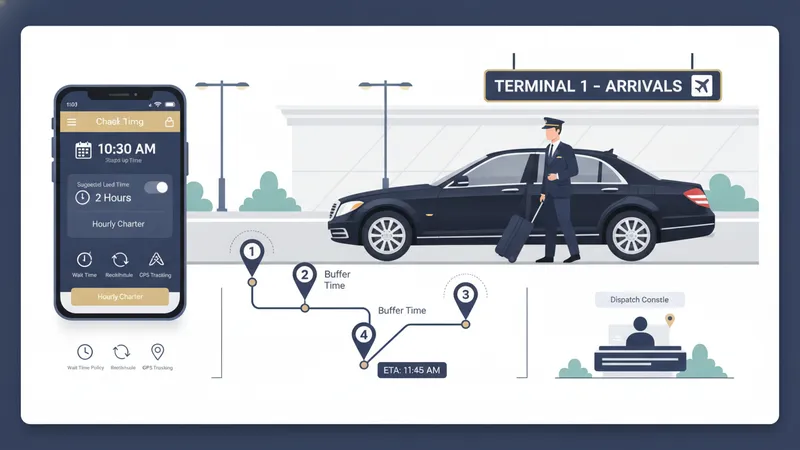
Operational logistics address arrival windows, buffer times, and communication protocols. Many operators include suggested pickup lead times for airport arrivals to account for baggage collection and terminal navigation; these suggestions may vary by airport and local traffic patterns. Dispatch systems often provide real-time updates on vehicle location and estimated arrival, and operators may have policies for driver wait time, missed pickups, and rescheduling. These logistics frameworks aim to align client expectations with practical scheduling realities without promising uniform outcomes across all providers.
Group transfers and event logistics often require coordination between multiple vehicles and staging plans. For conferences or ceremonies, operators may assign vans or minibuses to consolidate passengers and plan departure sequences to reduce congestion. In such contexts, timing buffers are common to account for late arrivals and route changes. Event planners and corporate travel coordinators frequently work with operators to define pickup points, layover needs, and contingency options, treating these arrangements as operational planning rather than guaranteed service performance.
Booking platforms and corporate account arrangements can influence how logistics are handled. Digital reservation systems may show vehicle availability and estimated travel times, while corporate agreements can specify invoicing, reporting, and preferred vehicle categories. For clients using hourly services, clear terms for minimum periods, cancellations, and overtime charges are typical disclosures. Understanding these booking elements can help align expectations about scheduling flexibility, driver assignments, and how changes are managed during a trip.
Pricing for chauffeur services commonly comprises multiple components rather than a single flat fee. Vehicle class and model typically influence base rates, while trip distance or duration may be calculated using mileage, hourly increments, or fixed transfer pricing. Airport fees, tolls, parking, and local taxes are often itemized separately. Operators may disclose minimum charges for hourly bookings and incremental billing units, and these structures can vary between markets and service models.
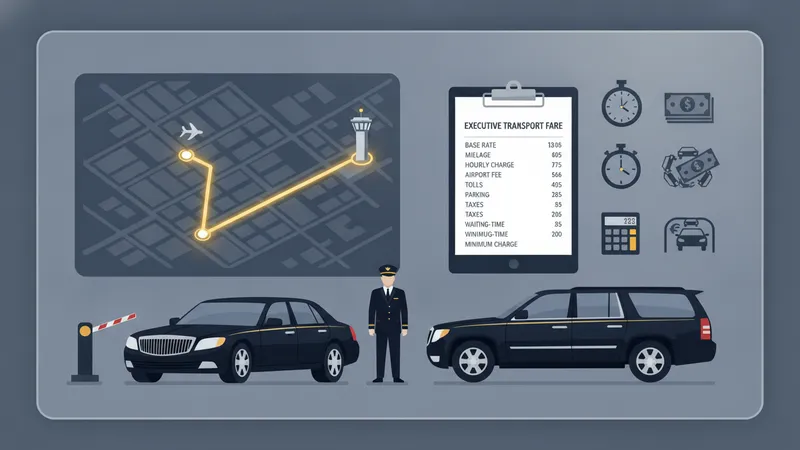
Time-related charges are a frequent element: waiting time, late-arrival fees, and overtime for hourly charters may be applied if trips extend beyond agreed periods. Route complexity and traffic congestion can affect expected travel times and therefore cost estimates when billed hourly or by time. Some operators publish sample rate ranges for common routes and services, which clients typically use as reference points; these ranges should be treated as approximate and dependent on the operator’s specific policies and local conditions.
Group transfers and vehicle size affect per-passenger economics in predictable ways. Larger vehicles may have higher absolute costs but reduce per-person expense for group travel compared with multiple smaller vehicles. Conversely, luxury or extended-wheelbase vehicles often carry higher base rates due to larger cabin space and specialized maintenance. For event logistics, additional charges for staging, waiting between events, or multiple pickup locations may appear. Transparency in disclosed line items helps clients understand cost drivers without implying identical pricing across providers.
When comparing cost components, it is useful to consider billing clarity and included services. Some operators bundle common extras such as tolls and airport pickup fees into transfer rates, while others list them separately. For corporate accounts, negotiated terms might standardize billing items and reporting frequency. Reviewing sample invoices or rate cards—where available—can provide insight into typical fee structures and help set realistic expectations about how various service choices might influence total cost.
Driver qualifications and training are central to service quality in chauffeur transport. Typical standards include valid professional driving credentials where required, background verifications, and familiarity with local routes and traffic patterns. Operators often set policies on vehicle inspections, uniform presentation, and customer communication protocols. These elements are intended to support safe operation and predictable service behavior, and they are commonly described in operator materials as criteria that may vary across regions and providers.

Passenger comfort considerations cover seating ergonomics, climate control, noise mitigation, and in-vehicle amenities such as charging ports or reading lights. For longer trips or formal events, interior presentation—cleanliness, seating arrangement, and discreet driver conduct—can be important. Accessibility features, such as wheelchair-accessible vans or step-assist options, address specific passenger needs and are often listed as available configurations rather than guaranteed across all vehicles in a fleet.
Operational standards also encompass luggage handling, privacy protocols, and route confidentiality where relevant. Drivers may follow established procedures for loading and unloading bags, confirming passenger identity at pickup, and maintaining discretion during executive transfers. For event work, coordination with venue staff and adherence to staging instructions are standard practices. These operational behaviors are typically framed as policies providers may implement to align driver conduct with client expectations.
Insider considerations for assessing service standards include reviewing vehicle age and maintenance statements, understanding wait-time and cancellation policies, and clarifying whether ancillary fees are included in quoted rates. Many operators provide sample vehicle specifications and driver credential summaries to inform planning. Treat these materials as informational aids that may help match vehicle choice and booking model to itinerary needs rather than as uniform guarantees of specific outcomes.