
Searching for nearby roofers involves more than location; it is a process of assessing qualifications, processes, and likely outcomes when engaging a local contractor. The concept centers on comparing observable credentials (licenses, insurance), documented work (photographs, project lists), and operational practices (installation methods, materials sourcing). When people look for local roofing services, they often weigh how contractors communicate estimates, manage timelines, and support post-installation maintenance. This descriptive approach to selection focuses on factual indicators that may suggest professional competence rather than subjective impressions alone.
Key evaluation elements typically include contractor experience, formal credentials, insurance coverage, roofing material options, and warranty structures. Additional considerations may involve customer feedback, site inspection practices, and the clarity of written estimates. Each factor can interact with others; for example, a contractor’s chosen installation method may affect warranty eligibility from a manufacturer. Assessments often proceed by gathering several data points for the same project and comparing them to common industry norms to form an informed view of potential contractors.
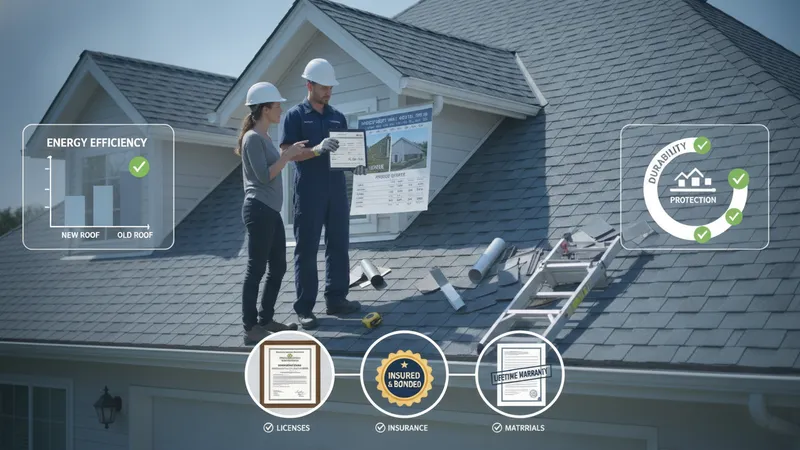
Comparing contractor experience often involves reviewing project portfolios and reference responses. Photographic records of completed work and contactable references may provide insight into workmanship patterns and project types a contractor typically handles. Experience with specific materials or roof styles can be relevant; for instance, a contractor that often works with metal roofing may have different tooling and scheduling practices than one focused on asphalt shingles. These observations may help form expectations about installation pace, typical crew size, and the kinds of quality control methods a contractor may deploy.
Licensing and insurance documents serve distinct purposes and are typically verified through issuing agencies or certificates. Licensing can indicate that a contractor met jurisdictional requirements for trade competency or business registration, while liability and workers’ compensation insurance address financial responsibility for accidents and property damage. Consumers may often request copies of these documents and check issuing agency records when available. Verification is descriptive rather than definitive; possession of credentials may reduce some risks but may not fully predict project-specific outcomes.
Material selection affects longevity, weight, cost implications, and maintenance needs. Asphalt shingles generally present lower initial material cost and simpler installation, whereas metal roofing and single-ply membranes may offer different lifespans and maintenance profiles. Installation methods—such as nailing patterns, underlayment choices, ventilation strategies, and flashing details—can influence how materials perform over time. Manufacturers sometimes specify installation practices tied to warranty conditions; awareness of these specifications can clarify the relationship between workmanship and product coverage.
Estimates and contracts typically vary in detail and risk allocation. Itemized estimates may separate labor, materials, permit fees, and disposal to provide transparency, while lump-sum proposals consolidate those items under a single price. Contract language often defines scope, change-order procedures, payment schedules, and timelines. Warranties can be issued by manufacturers for materials and/or by installers for workmanship; reading the distinctions between these warranty types can clarify what is covered and for how long. Comparing similarly detailed proposals may make differences easier to interpret.
In summary, evaluating nearby roofing firms involves assembling multiple factual indicators—credentials, documented work, materials, installation practices, and contract terms—to form a measured assessment of potential contractors. This approach favors transparency and verification over singular impressions, and it recognizes that trade-offs often exist between cost, material choice, and expected maintenance. The next sections examine practical components and considerations in more detail.
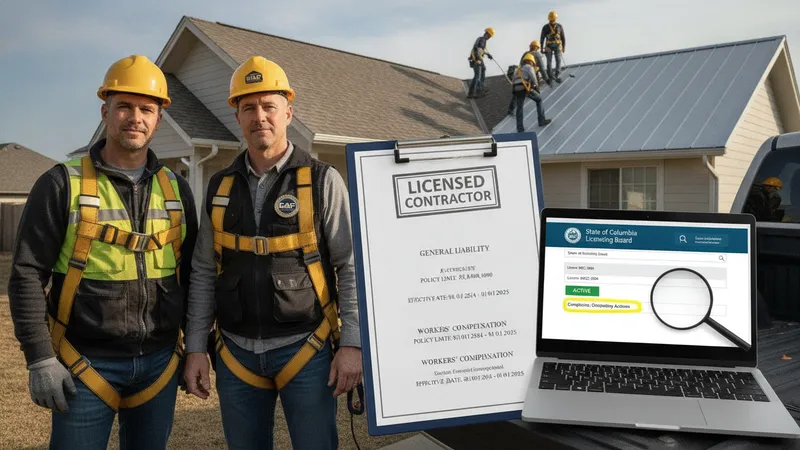
Licensing frameworks vary by jurisdiction but typically aim to confirm that a contractor meets specified business and trade requirements. Verification may involve checking a licensing board’s online database or requesting a license number directly from the contractor. Insurance verification usually involves reviewing certificates for general liability and workers’ compensation; these documents may list policy limits and effective dates. When examining credentials, it can be useful to note revocation or complaint records where public databases exist, and to treat credentials as one element within a broader evaluation of competence and reliability.
Trade associations and manufacturer certifications often indicate exposure to industry standards and product-specific training. Association membership can signal access to continuing-education resources, while manufacturer certification can indicate that a contractor has attended training for a particular product line. These affiliations may be useful to document but are not sole proof of quality. Observers may consider how long a contractor has been active, the scope of projects they commonly undertake, and whether their experience aligns with the specific roof type and materials relevant to the current project.
Inspections and references provide practical insight into how credentials translate to field performance. A site inspection by the contractor may reveal their approach to risk management, site protection, and installation sequencing. References and online reviews often describe scheduling practices, cleanup methods, and responsiveness to issues. These data points commonly complement document checks by offering examples of past interactions and outcomes. When reviewing references, readers may look for patterns across multiple sources rather than relying on single testimonials.
Recordkeeping practices can also be informative: contractors who provide clear, documented proposals and post-installation paperwork may signal an organizational approach that can reduce uncertainty during a project. Documents to request may include a written estimate, a contract with scope-of-work details, proof of insurance, and manufacturer warranty information. Keeping copies of these items can facilitate future claims or maintenance. These recordkeeping considerations often align with other credential checks and may help clarify responsibilities for both parties.
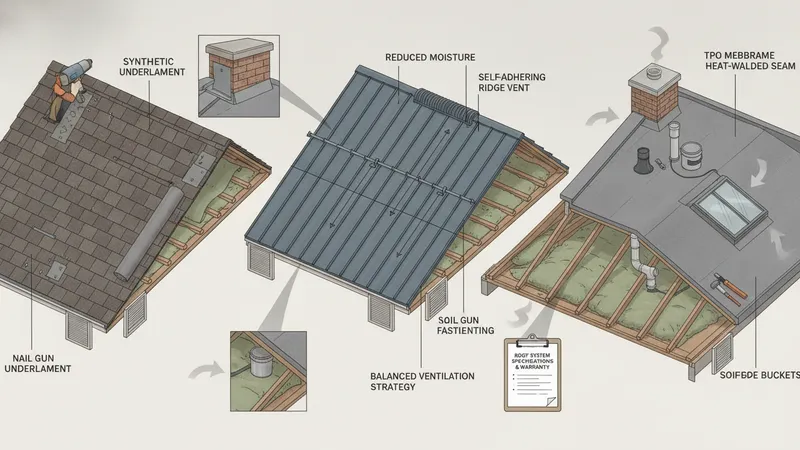
Material categories commonly used in roofing present distinct performance attributes and typical installation needs. Asphalt shingles are often used for steep-slope roofs and may be selected for cost-effectiveness and wide availability. Metal roofing systems can offer longer expected service life and different attachment techniques that influence underlayment and fastening requirements. Single-ply membranes are frequently used on low-slope or flat roofs and can require specific seam welding or adhesion methods. Understanding these material categories helps contextualize installer recommendations and expected maintenance patterns.
Installation details such as underlayment type, ventilation strategies, flashing methods, and fastener patterns can materially affect long-term performance. Proper ventilation may reduce heat and moisture buildup in attic spaces, which can influence shingle life. Flashing installation around penetrations and roof edges is a frequent source of water intrusion if not executed correctly, and some manufacturers detail acceptable flashing methods for warranty compliance. These technical aspects often play a significant role in whether a roof meets both functional and warranty expectations.
Crew qualifications and tooling can influence installation quality and schedule. Certain materials require specialized fastening tools, seam welders, or crane access for heavy panels; contractors typically list such capabilities when relevant. Crew experience with a material category may reduce installation time and the likelihood of common errors, though it is one of several factors in assessing suitability. Observers may ask for examples of similar completed installations to judge whether a contractor’s practical experience aligns with a project’s technical needs.
Performance trade-offs between cost, expected life, and maintenance often guide material selection. Some materials may present higher initial material and labor costs but can require less frequent maintenance or offer longer service intervals, while others may be less expensive up front but require periodic replacement sooner. Environmental conditions such as local climate, wind exposure, and sunlight intensity also interact with material performance. Considering these variables together may yield a balanced view of what to reasonably expect from different material and installation combinations.
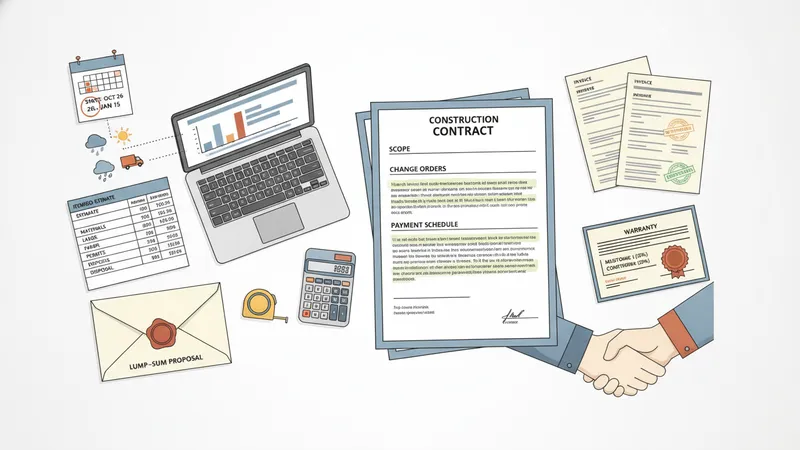
Estimate formats vary and may be presented as itemized or lump-sum proposals. An itemized estimate breaks down costs for materials, labor, permit fees, and disposal, which can help clarify which components drive price variations. A lump-sum approach aggregates those elements into a single figure and may be simpler to compare in some contexts. Timelines are often presented as estimated start and completion dates and may note dependencies such as material lead times or weather. These estimates are typically conditional and may change due to unforeseen site conditions or scope adjustments.
Contract clauses commonly address scope definition, change-order procedures, payment schedules, and site responsibilities. Clear scope definitions may list materials by type and provide installation details to reduce ambiguity. Change-order language outlines how additional work or design changes will be priced and approved. Payment schedules may be tied to milestones; observers often view balanced schedules as a risk-management tool for both parties. Contracts that include dispute-resolution methods and documentation requirements can also clarify expectations if disagreements arise.
Warranty structures generally include manufacturer warranties for materials and separate workmanship warranties from installers. Manufacturer warranties often cover material defects under specified conditions and may require installation practices that conform to written instructions. Installer warranties typically cover defects in workmanship for a specified time after completion. Understanding the length, coverage scope, and conditional requirements of each warranty type may help set realistic expectations about what is remedied by whom and under what procedures.
Timelines and seasonal considerations can affect scheduling and outcomes. Roofing projects may be influenced by local weather patterns and busy-season demand, which can extend lead times. Contractors may often schedule work to optimize drying and adhesion conditions for certain materials. Observers may consider planning windows and potential contingencies for weather or material delays when interpreting timeline estimates. This contextual awareness can assist in setting pragmatic expectations for project progression and completion.
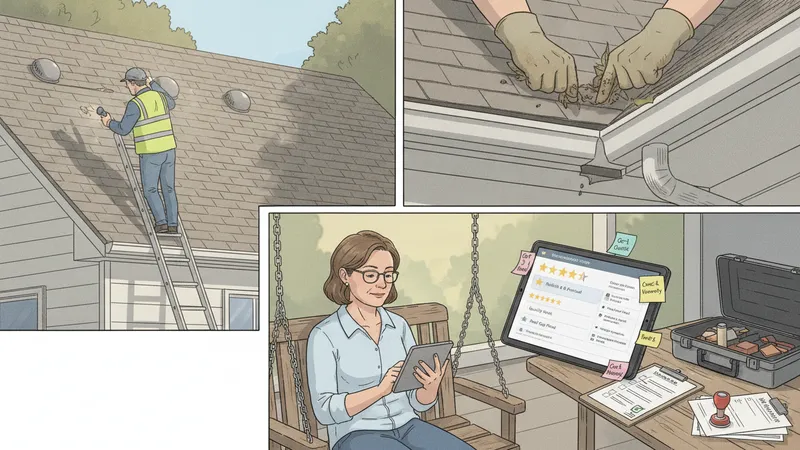
Customer feedback sources such as online reviews, direct references, and community reports may yield different perspectives on a contractor’s typical project outcomes. Reviews often describe communication, adherence to schedules, cleanup practices, and responsiveness to post-installation issues. Patterns across multiple reviews can suggest recurring strengths or areas for improvement. It is generally useful to treat individual reviews as anecdotal while seeking consistent themes that may indicate predictable practices or performance norms.
Maintenance practices influence a roof’s useful life and may include periodic inspections, gutter cleaning, and prompt attention to localized damage. Manufacturers and trade organizations often provide maintenance guidelines that can help preserve material warranties and functional performance. Contractors may offer maintenance plans or inspection services, and owners may choose to document maintenance actions to support future claims. Regular maintenance can often detect issues such as flashing gaps or ventilation problems before they escalate.
Long-term performance assessment may include observable indicators such as granule loss on shingles, rust on metal fasteners, or pooling water on low-slope membranes. These signs can suggest common aging mechanisms or installation-related issues. Periodic documentation—photographs and inspection notes—can help track changes over time and inform decisions about repairs versus replacement. While such indicators may prompt professional evaluation, they are part of an informational process rather than an absolute predictor of remaining service life.
When synthesizing feedback and maintenance considerations, it can be helpful to weigh recurring patterns rather than isolated incidents. Consistency in positive or negative reports across independent sources often carries more informational value than a single testimonial. Combining documented maintenance records with observed performance trends may yield a clearer perspective on the likely trajectory of a roof’s condition. These combined inputs may assist in setting realistic expectations for long-term upkeep and performance.