
Advanced diagnostics refers to the set of modern testing technologies and data workflows used to detect, measure, and interpret biological, chemical, or technical signals. These systems combine sampling methods, analytical instruments, software for data processing, and standards for quality control to produce structured outputs such as sequence reads, mass spectra, digital images, or sensor time-series. The concept covers both laboratory-based platforms and portable devices, and it includes upstream processes (sample handling and preparation), analytical steps (measurement and signal capture), and downstream steps (data cleaning, interpretation, and reporting).
Key elements in advanced diagnostics often include high-throughput instrumentation, computational pipelines, and interoperability between devices and information systems. Instrumentation may rely on optics, electrochemical sensing, nucleic acid amplification, or mass-based detection; computational pipelines can include signal processing, statistical analysis, and model-based interpretation; and interoperability is frequently addressed via standard data formats and validated interfaces. These components are typically integrated into workflows that emphasize traceability, reproducibility, and documented performance characteristics rather than prescriptive outputs.
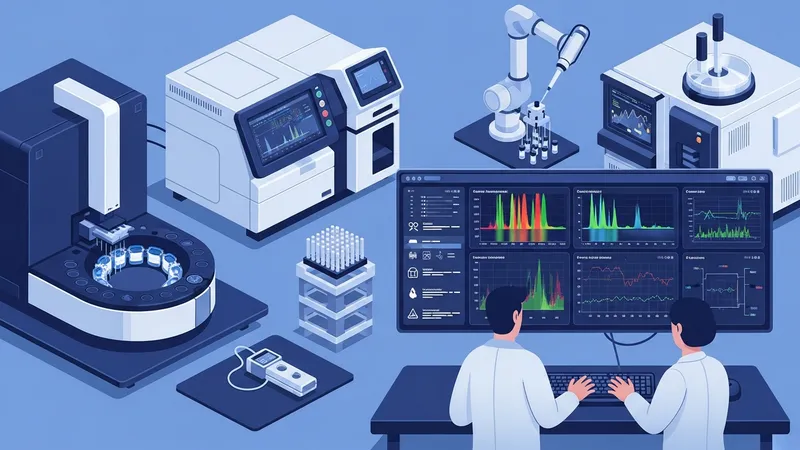
Comparing these example approaches highlights differences in data type, throughput, and typical computational needs. Sequencing workflows produce large text-based read datasets that often require alignment and variant-calling software; mass spectrometry yields spectra that are processed with peak-picking and identification algorithms; and digital pathology produces image files that may need image segmentation and feature extraction. Each approach may call for specialized storage solutions, data compression considerations, and domain-specific validation practices. Consideration of these differences is central when evaluating how advanced diagnostics are structured for a given application.
Quality assurance and methodological validation are integral to advanced diagnostic systems and may involve calibration standards, controls, and interlaboratory comparisons. Performance characteristics such as analytical sensitivity, specificity, dynamic range, and repeatability are typically reported as part of validation studies and used to inform appropriate use cases. Additionally, sample collection and handling procedures often have notable effects on downstream results, so protocols aim to reduce pre-analytical variability through standardized containers, transport conditions, and processing timelines.
Data processing in advanced diagnostics frequently combines deterministic algorithms and statistical models. Signal extraction, noise reduction, and normalization steps may precede higher-level analyses such as pattern recognition, classification, or quantitation. Pipelines are often modular so that individual steps can be updated or replaced as methods evolve, and versioning of software and reference databases is typically documented to support reproducibility. Privacy and data governance considerations can also influence how raw data and derived results are stored and shared.
Application areas for advanced diagnostics may include clinical laboratory testing, environmental monitoring, industrial process control, and research studies. In each area, the choice of platform and workflow often reflects trade-offs among cost, turnaround time, analytical depth, and required infrastructure. Users and institutions may weigh these trade-offs differently depending on operational priorities, regulatory context, and the nature of the information sought from the diagnostic process.
In summary, advanced diagnostics encompasses a set of interlocking technologies and processes for capturing and interpreting complex biological or technical signals. The topic covers instrumentation, computational workflows, validation practices, and application-specific trade-offs that collectively determine how diagnostic outputs are produced and used. The next sections examine practical components and considerations in more detail.
Instrumentation choices in advanced diagnostics shape the type and fidelity of observed signals. Optical systems, such as fluorescence readers and whole-slide scanners, capture spatial or spectral information and often require controlled illumination and calibration standards. Electrochemical sensors and impedance-based devices produce electrical signals that map to analyte concentration under defined operating conditions. Mass spectrometers separate ions by mass-to-charge ratio and typically need vacuum systems and calibrated mass references. Each instrument class may impose specific sample preparation steps and environmental controls that can affect analytical performance.
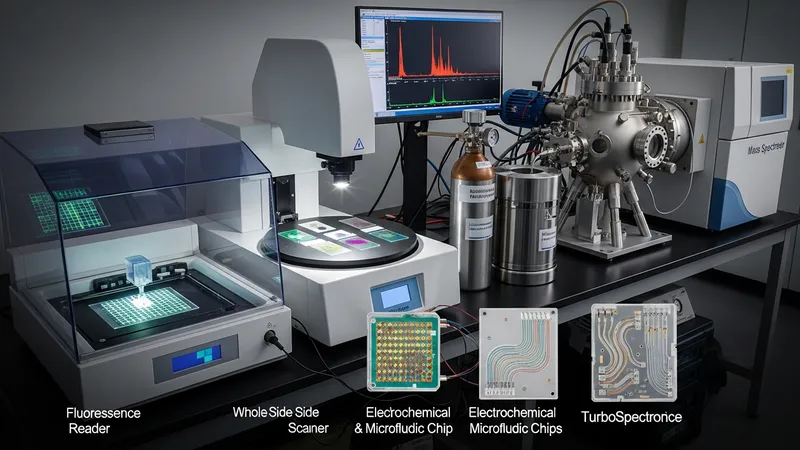
Throughput and scale considerations frequently influence instrument selection in diagnostic settings. High-throughput sequencing instruments can process many samples in parallel but often require batching to be cost-effective, while point-of-care devices may prioritize rapid turnaround at the expense of depth of analysis. Instruments that produce large datasets typically necessitate additional computational resources for initial processing and storage. When planning workflows, teams often assess throughput needs, maintenance requirements, and the potential for instrument drift or calibration needs over time.
Maintenance, calibration, and quality controls are common practical considerations across measurement technologies. Regular calibration routines with traceable standards may be used to monitor instrument stability; internal controls and reference materials can be included within runs to detect shifts in performance; and preventive maintenance schedules may be established to reduce downtime. Documentation of these activities often supports internal quality programs and may be part of external assessments or regulatory submissions where applicable.
Interfacing instruments with laboratory information systems and data pipelines is another practical aspect. Many modern instruments provide data export in standard formats or via APIs, which can facilitate automated ingestion into processing pipelines. Attention to file formats, metadata capture, and time-stamping is often advised to preserve provenance and enable later review of raw and processed outputs. These integration points can influence data traceability and reproducibility considerations in diagnostic workflows.
Computational pipelines convert raw instrument outputs into interpretable information through sequential processing steps. Typical steps may include quality filtering, alignment or reference matching, feature extraction, statistical analysis, and generation of summary reports. Pipelines are commonly implemented with modular components so individual tools can be swapped as methods mature. Documentation of pipeline versions, parameter settings, and reference datasets is typically used to support reproducibility and auditability of results.
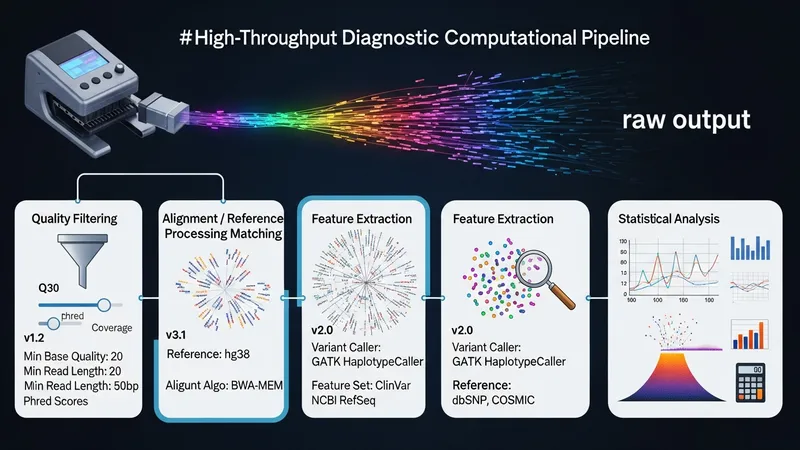
Data storage and archival strategies are relevant since advanced diagnostics can produce large raw datasets. Strategies may include tiered storage, where frequently accessed processed results are kept on faster media and raw datasets are archived on lower-cost storage. Compression and standardized file formats can reduce storage demands, but they may introduce trade-offs related to access time and compatibility. Considerations around metadata schemas, unique identifiers, and secure access controls are often part of comprehensive data management plans.
Computational resource planning often accounts for peak processing loads and the need for parallelization. High-performance computing, cloud-based resources, or on-premises clusters may be used depending on institutional preferences, data governance, and cost considerations. Pipelines that rely on external reference databases may include update schedules and checksums to ensure consistent reference versions. Monitoring resource usage and pipeline runtime can inform optimization and capacity planning efforts.
Data governance, privacy, and access control are central when diagnostic workflows handle sensitive information. Policies that specify roles, permissions, and retention periods may be implemented to limit unnecessary exposure of raw data. Encryption in transit and at rest and audit logging of access events are commonly recommended as part of a layered security approach. These governance measures often interact with institutional policies and applicable laws—careful documentation helps align technical practices with organizational requirements.
Validation frameworks describe how diagnostic methods are evaluated for intended use and often include analytical and operational performance metrics. Analytical validation can cover measures such as limit of detection, precision, linearity, and specificity, while clinical or application-specific validation may assess how measurements correlate with decision-making contexts. Studies that report these metrics typically describe sample sets, replication strategies, and statistical approaches used to estimate performance parameters.
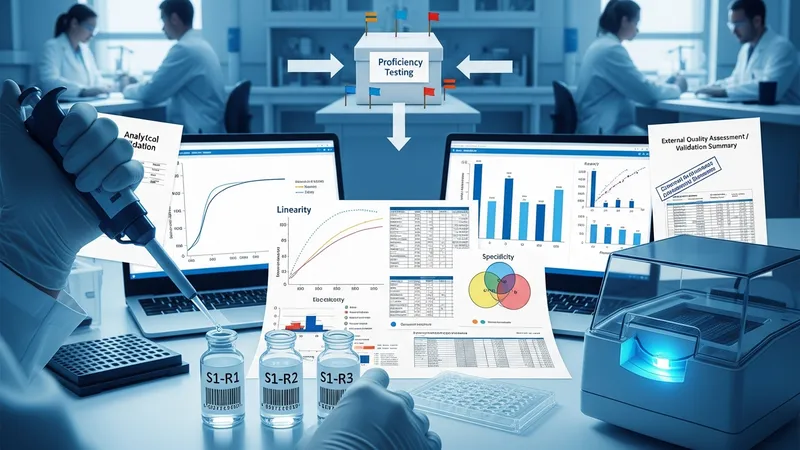
Interlaboratory comparisons and proficiency testing can provide external assessments of method robustness. In such exercises, multiple laboratories analyze shared samples and compare results to characterize variability across sites and workflows. These comparisons may reveal sources of systematic bias or variability that warrant method refinement. Participation in external quality assessment schemes is often adopted in settings aiming for standardized performance across organizations.
Quality management systems often integrate documentation, training, corrective actions, and continuous improvement processes. Standard operating procedures, instrument logs, change control records, and personnel competency records are commonly maintained to demonstrate that methods are performed consistently. When updates to methods or software occur, organizations may document validation of the change and potential impacts on historical data comparability.
Reporting conventions and interpretive frameworks are part of quality considerations, too. Structured reports typically include method descriptions, limitations, and confidence metrics to help downstream users interpret results within the appropriate context. Clear documentation of uncertainty, known interferences, and recommended follow-up actions may be provided as informational elements without prescribing specific decisions, supporting transparent communication of diagnostic outputs.
Application areas for advanced diagnostics span clinical testing, environmental surveillance, industrial monitoring, and research. In clinical contexts, advanced platforms may be used for molecular profiling and to support differential analyses; in environmental surveillance, they may track contaminants or biological agents across time. Industrial monitoring may use sensor arrays and rapid assays to observe process parameters. Each application area typically prioritizes different combinations of analytical depth, throughput, and turnaround time.
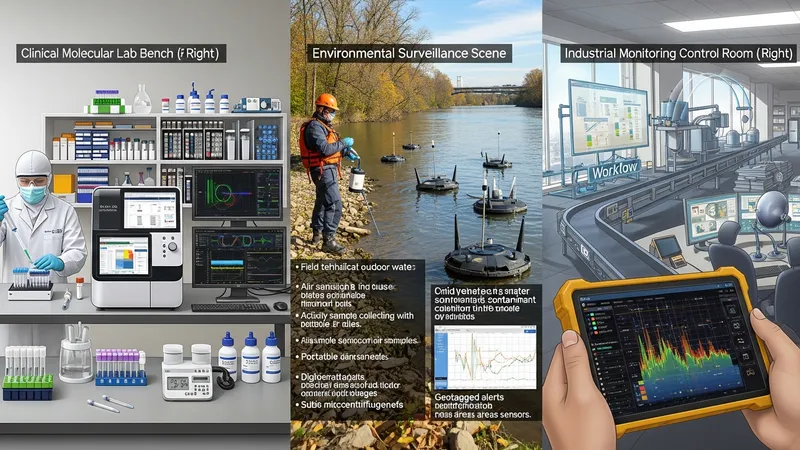
Implementation considerations include workflow design, workforce training, and cost structures. Organizations often map sample flows, identify bottlenecks, and allocate staff roles for sample processing, data analysis, and result review. Training in both operational procedures and data interpretation is commonly emphasized to reduce operator-dependent variability. Cost considerations may include capital expenditures for instruments, recurring reagent and maintenance costs, and computational infrastructure needs.
Regulatory and ethical considerations may influence how advanced diagnostics are deployed in particular domains. Compliance with applicable standards, documentation of validation evidence, and attention to data privacy requirements are often part of implementation planning. Ethical considerations around data sharing and secondary use may shape governance policies and consent processes in research or surveillance contexts.
When planning phased rollouts or pilot studies, organizations often use small-scale implementations to evaluate workflow fit, performance, and resource needs. Pilot results can inform decisions about scaling, integration with existing systems, and ongoing monitoring of performance. These measured steps may help organizations better align diagnostic capabilities with operational goals and responsible use practices.