
Artificial intelligence (AI) home devices refer to digital systems that automate, manage, or optimize household activities using data analysis and connectivity. These technologies often integrate sensors, voice interaction, and smart controls to facilitate actions within residential settings. Common examples include smart thermostats, intelligent speakers, and appliances that can adapt their functions according to user input or sensed conditions. By linking devices through central hubs or cloud services, households may gain new ways to streamline tasks and manage environmental factors.
People frequently encounter AI-driven devices in homes where convenience and efficiency are valued. The core appeal arises from the ability of these systems to learn patterns, provide suggestions, and carry out actions automatically, often contributing to organizational benefits or resource savings. Many AI home products rely on interoperability, meaning that their effectiveness can depend on compatibility with other gadgets or platforms. As adoption increases, considerations such as privacy, customization, and long-term reliability become central to user experiences.
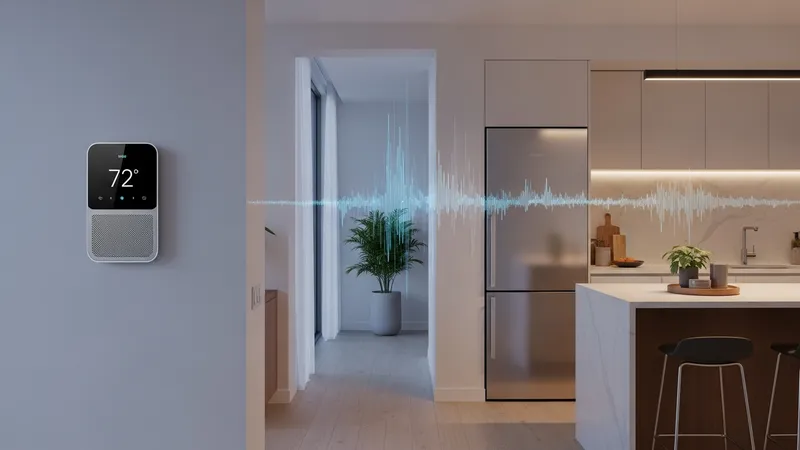
AI home devices can serve a variety of functions, from optimizing energy usage to enhancing home security. Learning systems like smart thermostats may adjust temperature patterns based on user behavior or schedule, while voice assistants often process requests to fetch information or trigger multiple appliances. Security-focused products utilize cameras and sensors to detect movement or notify residents when activities are detected at entry points. Interoperability among these systems typically enhances overall performance in multi-device homes.
Several factors influence the adoption of AI home devices in the United States, including connectivity infrastructure and consumer familiarity with automation technologies. Integration with mobile applications and standard platforms, such as those offered by Google and Amazon, allows for centralized management of devices across brands. Privacy remains a commonly discussed aspect, as many products transmit data externally for processing or storage. User control features—such as customized settings, scheduling, and voice commands—can typically increase engagement and satisfaction.
Consumers may notice variations in device capabilities depending on underlying AI features and compatibility with other home systems. Some devices come with advanced sensors and support for routines, enabling them to distinguish between different household members or respond to particular activities. Inter-device communication, such as smart doorbells working with voice assistants, can provide unified notifications and actions. Accessibility considerations, such as voice recognition for diverse users, are becoming more prevalent in modern designs.
The development and deployment of AI home devices are shaped by a combination of technological progress and evolving user practices. Market availability continues to grow, with periodic software updates enhancing functionality and integration. Consumers may want to consider support resources, warranty options, and manufacturer transparency when evaluating new products. The growing range of device selections enables a measured approach to incorporating smart technology into daily living.
In summary, AI home devices in the United States illustrate how intelligent systems may support automated routines, environmental control, and home monitoring. The next sections examine practical components and considerations in more detail.
AI home devices in the United States often fulfill specific functions that align with common household needs. Climate control systems such as smart thermostats can regulate heating and cooling according to user schedules or environmental changes. Voice assistants are typically integrated to manage tasks like playing media, adjusting lights, or setting reminders. Security devices utilize AI for event detection, distinguishing between visitors and potential intrusions. These functionalities collectively support automated daily routines and may contribute to more efficient resource use.
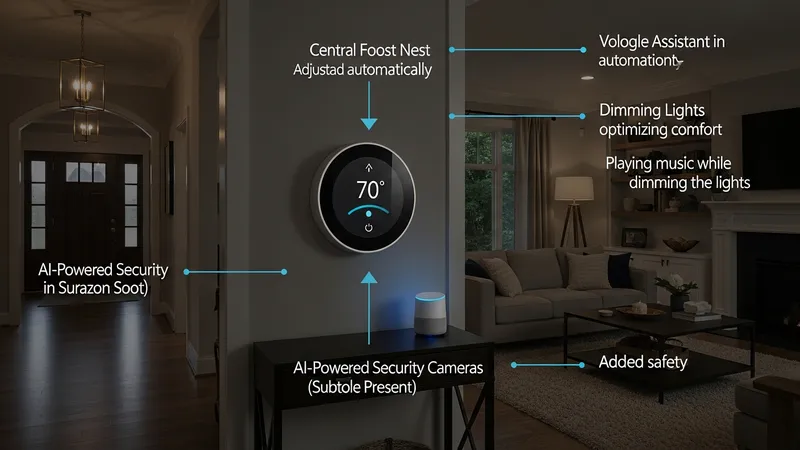
Smart thermostats, such as the Google Nest, often employ algorithms that learn household behaviors over time. By monitoring occupancy and manual adjustments, these systems can create optimized heating and cooling profiles. This approach may result in reduced energy consumption or comfort adjustments based on seasonal patterns. Features like remote control via smartphone apps provide flexibility for users who require access while away from home, enhancing the benefit of adaptable climate management.
Intelligent speakers exemplify the role of voice-driven assistants in home environments. These devices, like the Amazon Echo, process spoken commands to perform actions such as controlling connected appliances, providing news updates, or initiating phone calls. The integration with a wide range of smart home platforms typically makes these speakers functional hubs for home automation. Custom routines, such as morning briefings or evening lighting adjustments, can be set up to streamline repetitive tasks according to user preference.
Security-oriented devices, including video doorbells like those from Ring, add an extra layer of monitoring through AI-powered features. Motion detection differentiates between people, animals, or vehicles, reducing unnecessary alerts. Video feeds can be accessed remotely, enabling residents to monitor entrances regardless of their physical location. These systems may also offer integration with other AI devices, such as voice assistants, to enhance notification delivery and immediate responses.
Many AI home devices in the United States are designed for interoperability across different brands and ecosystems. Compatibility typically enables users to connect devices such as thermostats, speakers, and security systems for unified control. Platforms like Google Home and Amazon Alexa provide frameworks where multiple devices can be managed through a single interface or central application. Seamless integration can reduce complexity and improve the user experience by linking actions across several components in a home environment.
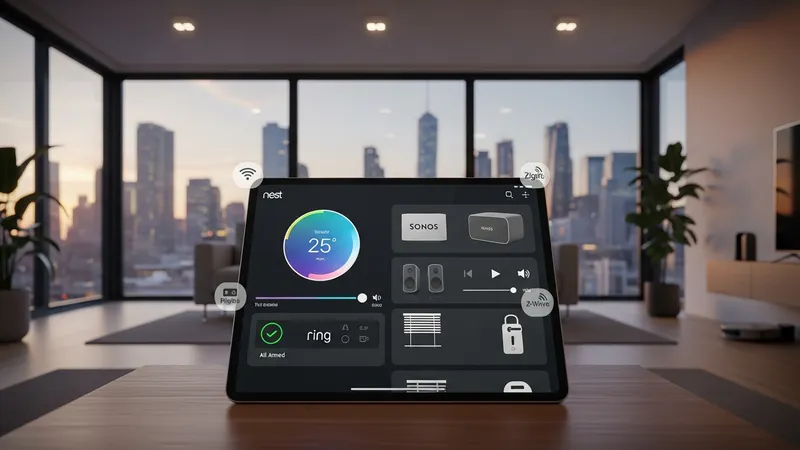
Device communication protocols, such as Wi-Fi, Zigbee, or Z-Wave, play a central role in enabling interoperability. Products that support standardized communication often permit easier additions or replacements without complete system overhauls. When selecting AI home devices, compatibility with primary ecosystems may influence purchasing decisions and support future expandability. Ongoing software updates also help maintain functionality and integration as new devices or features are introduced.
The development of smart home routines is facilitated by ecosystem integration. Users can create personalized sequences, such as turning on exterior lights when the video doorbell detects motion or setting the thermostat when leaving or returning. Such routines are often established within device management apps, allowing residents to automate complex tasks with minimal effort. Conditional logic may also be applied, tailoring actions according to time, occupancy, or environmental conditions.
While interoperability offers convenience, it also highlights the relevance of privacy and security considerations. Users may wish to monitor device permissions and review data-sharing practices among platforms. Most United States-based vendors provide resources outlining how personal data is utilized and secured, encouraging informed decisions. Regularly updating device firmware and reviewing access settings can mitigate potential risks while maintaining functional integration of AI home systems.
Privacy is a key focus in the context of AI home devices in the United States. Many devices collect and process data related to household activities, occupancy patterns, and voice interactions to enable their smart features. Manufacturers typically provide options to adjust privacy settings, such as limiting recorded data, disabling certain sensors, or managing data retention. Reviewing privacy policies and available controls may support more transparent and comfortable use of AI products at home.
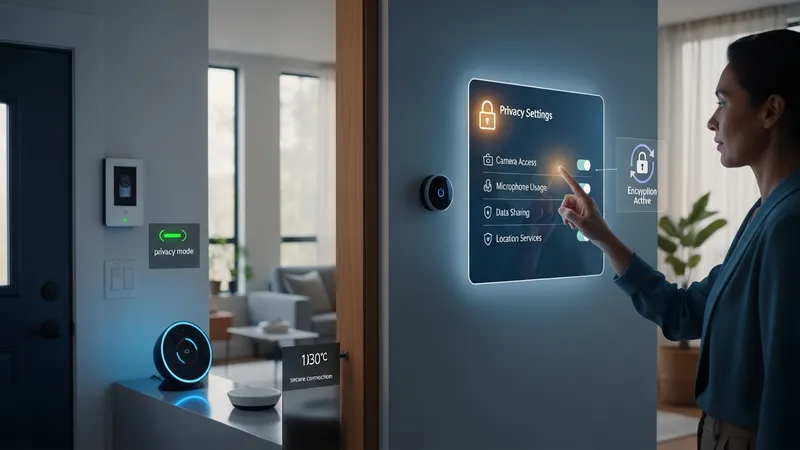
Security measures in AI home devices are designed to protect both data transmitted between devices and the physical premises. Encryption protocols are commonly implemented for device communication, especially for products like video doorbells and voice assistants that transfer data over home networks. United States vendors may issue security patches periodically to address vulnerabilities or enhance defenses against unauthorized access. Consumers often benefit from configuring strong passwords and enabling two-factor authentication where available.
User control extends beyond simple privacy adjustments. Many AI home devices offer consumers the ability to schedule actions, customize device responses, or set up notification preferences based on their needs. For example, advanced thermostats may allow granular temperature schedules, while voice assistants can respond to specific user profiles. These user-driven controls help personalize the system’s operation and limit functions to what is comfortable or relevant for each resident.
The evolving regulatory landscape in the United States highlights transparency and data protection as ongoing priorities. Organizations such as the Federal Trade Commission (FTC) provide guidelines regarding the handling of personal data and device security. Staying informed about these guidelines and regularly updating device usage practices may be prudent steps for maintaining a secure and privacy-conscious smart home environment.
The landscape of AI home devices in the United States continues to change as new technological advancements emerge. Research and development efforts focus on enhancing context awareness, predictive capabilities, and seamless interaction between systems. Voice recognition improvements aim to provide greater accessibility and accuracy, benefiting users with diverse language backgrounds or accessibility needs. In addition, increased support for device interoperability is expected to further unify home ecosystems and enable broader automation possibilities.

Energy management remains a notable trend among AI home devices. Smart thermostats and other energy-related products are integrating deeper analytics to better align usage patterns with utility pricing or environmental factors. As grid-interactive systems become more widely introduced, devices may coordinate actions based on renewable energy availability or local demand. These features could support efforts to optimize energy efficiency in alignment with sustainability initiatives.
Customization and adaptive learning are also gaining traction, providing users with more personalized experiences. Devices increasingly adapt based on observed routines, user feedback, or contextual cues from other smart products. Enhanced learning may lead to more intuitive automation, where home systems anticipate preferences or adjust settings proactively. Efforts to balance convenience with transparency and control remain prominent within industry discussions.
As AI home devices become more sophisticated, stakeholders in the United States—including manufacturers, policymakers, and consumers—continue to address the implications for data privacy, security, and long-term support. Resources such as the FTC’s privacy guidance may inform future best practices. Ongoing dialogue and collaborative standards development are key to supporting responsible growth in the adoption and use of AI-powered home systems.