
Automobile innovations refer to the advancements and breakthroughs in vehicle technology and design that enhance efficiency, safety, and sustainability. This area of development incorporates new methods for powering vehicles, such as electric drivetrains, improvements in connectivity, and new approaches to vehicle architecture. The focus is on integrating technology to improve how vehicles operate, interact with users, and impact the environment.
Recent progress in this space includes the widespread adoption of electric vehicles (EVs), smarter automotive software, and materials that balance strength with reduced weight. These innovations are typically the result of collaboration among manufacturers, technology companies, and regulators. They are designed to meet changing consumer preferences, increased environmental awareness, and evolving legislative requirements regarding emissions and safety.

Innovations such as electric vehicles demonstrate how powertrain technology may transition from fossil fuels to battery-powered alternatives. This change is pursued in response to increased demand for reduced environmental impact and improved energy efficiency. Advances in battery technology, including higher capacity and faster charging, can also influence the adoption of electric vehicles globally.
Automated driving technologies are being developed to improve safety and convenience through features like advanced driver assistance systems. These may include lane keeping, automatic braking, or highway autopilot. Many of these technologies are regulated and require extensive testing to comply with safety and performance standards before becoming widely available to consumers.
Shared mobility platforms typically rely on digital innovation to connect users with vehicles on demand. They may support urban planning efforts by reducing the need for personal car ownership and lowering vehicle congestion. This, in turn, can contribute to more efficient use of road infrastructure and an overall reduction in emissions if combined with electric vehicle fleets.
It is important to recognize that vehicle innovation may also extend to design considerations such as the use of lightweight composites, improved aerodynamics, and smart connectivity. These factors can contribute to overall vehicle efficiency, occupant safety, and a more personalized driving experience. The rate and success of implementation can depend on factors including technological readiness, market conditions, and regulatory frameworks.
Overall, the evolution of automobile innovations represents a convergence of environmental, economic, and social considerations. As these technologies develop, stakeholders are likely to continue addressing issues of cost, accessibility, infrastructure, and integration. The next sections examine practical components and considerations in more detail.
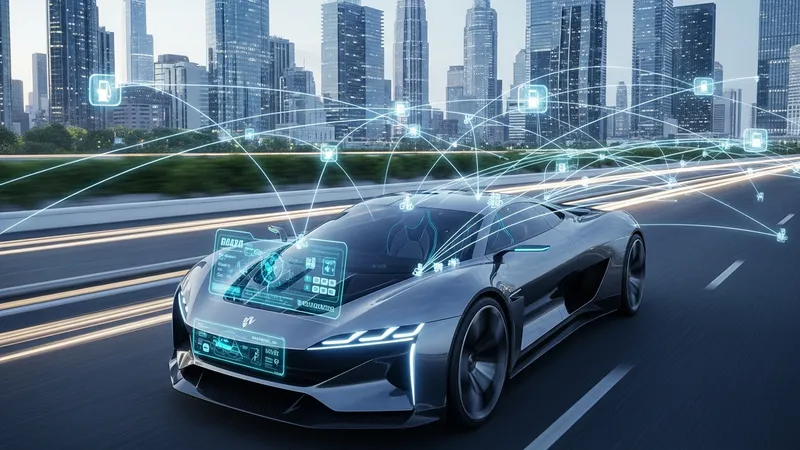
Modern automobile innovations are often characterized by integration of digital connectivity, advanced materials, and efficient energy management systems. Digital connectivity, for instance, enables vehicles to communicate with external networks, providing navigation updates, diagnostics, and entertainment features. This element is central to enhancing the overall driving experience and can make vehicles safer and more efficient by providing timely information to both drivers and support systems.
Advanced materials such as high-strength steel, aluminum alloys, and carbon fiber composites are increasingly used in vehicles to reduce weight without sacrificing structural integrity. Lighter vehicles generally require less energy to operate, which may result in enhanced fuel economy or extended electric driving range. Material choices can also affect costs and recyclability, which are factors manufacturers consider during vehicle development.
Efficient energy management is another notable feature in contemporary automobile design. For electric vehicles, battery thermal regulation, energy recuperation from braking, and intelligent energy allocation to various systems can play essential roles in improving range and longevity. Similarly, for conventional vehicles, innovations in engine efficiency and hybrid systems have become common ways of reducing fuel consumption and emissions.
Autonomous driving features rely heavily on advances in sensor technologies and artificial intelligence. Sensors such as lidar, radar, and cameras are used to perceive the environment, while onboard processors interpret this data to support real-time decision making. These technologies are part of a broader trend toward increasing automation and are typically introduced in phases, allowing the public and policymakers to adapt progressively to higher levels of vehicle autonomy.
Automobile technology innovations typically offer benefits such as improved fuel efficiency, reduced emissions, and enhanced safety for vehicle occupants and other road users. Electric vehicles commonly produce lower tailpipe emissions compared to traditional combustion-powered cars, supporting broader environmental sustainability goals. Driver assistance and autonomous features can also contribute to reducing traffic accidents by compensating for human errors under certain conditions.
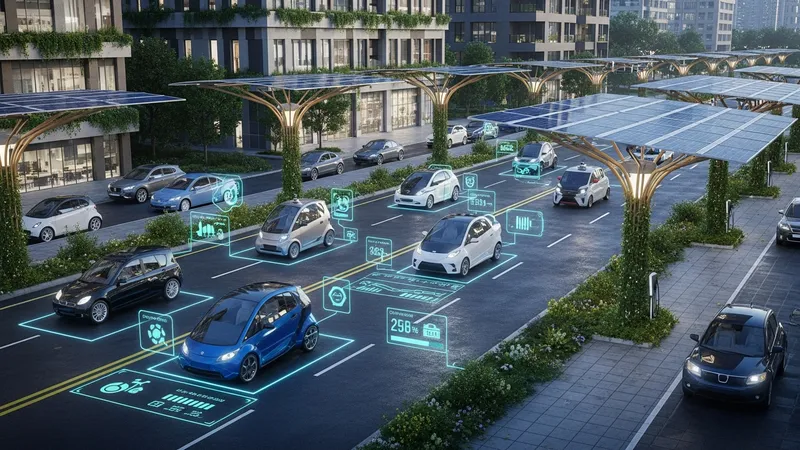
Despite these advantages, challenges persist in the widespread adoption of new vehicle technologies. For electric vehicles, issues include access to charging infrastructure, high battery production costs, and ongoing concerns about resource supply for critical components. Automated driving technologies also raise questions about regulatory alignment, liability, and cybersecurity.
Shared mobility solutions, while offering efficient transportation options, may present logistical and operational challenges. Factors such as urban density, user acceptance, and integration with existing public transportation networks affect the success of these platforms. Addressing these complexities can require cooperation among technology providers, municipal authorities, and transportation planners.
Additionally, consumer education and trust play significant roles in the acceptance of vehicle innovations. Users may take time to adapt to new interfaces, automation levels, or charging routines. Manufacturers and policymakers frequently provide guidelines and systematic rollouts to ensure a smooth transition toward advanced vehicle designs and functionalities.
Wide-scale introduction of advanced automobile technologies may influence both economic and environmental factors at local and global levels. For example, increased production and adoption of electric vehicles can affect the demand for raw materials such as lithium, cobalt, and nickel, typically used in battery manufacturing. This demand may contribute to new investment in supply chains, technology development, and resource management strategies.

On the environmental side, reduced reliance on fossil fuels can typically lower overall greenhouse gas emissions, especially when electric grids are powered by renewable sources. Urban areas adopting shared mobility platforms and supporting public EV infrastructure often observe potential decreases in air pollutant concentrations, contributing to improved air quality over time.
Economically, the shift toward automation and connectivity may transform the labor market within automotive and related industries. Certain roles may evolve or require new skill sets, particularly in areas such as software development, data analysis, and battery system maintenance. Policymakers and industry groups frequently monitor these trends to support workforce adaptation and training.
As innovations progress, total cost of ownership for new vehicle types may stabilize, given ongoing advances in battery lifespan and digital systems reliability. These changes are often gradual and are closely monitored by industry stakeholders, regulators, and consumer groups to ensure they align with transportation and environmental objectives.
The trajectory of automobile innovation suggests a shift toward further integration of alternative powertrains, automation, and digital ecosystems. Automakers across different regions continue to invest in research and development focused on next-generation batteries and scalable autonomous driving platforms. Collaborative projects between industry and academic institutions seek to advance vehicle-to-vehicle communication, improve safety protocols, and develop more sustainable materials.
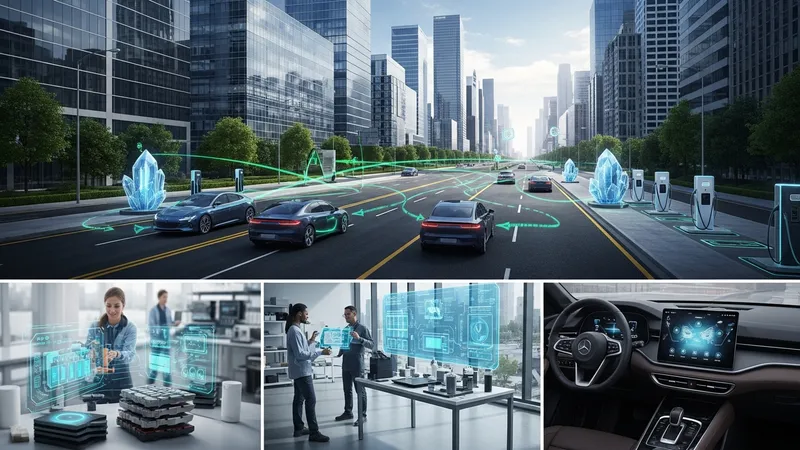
As global infrastructure evolves, the role of government regulations and standardization becomes increasingly important. Technical standards around charging infrastructure, data security, and safety protocols remain under active development. These frameworks generally support interoperability, facilitate cross-border vehicle operation, and address privacy and safety considerations for consumers.
Societal attitudes toward vehicle ownership and usage may also evolve alongside technological advancements. In some urban regions, personal car ownership could decline somewhat in favor of shared mobility and multimodal transport systems, particularly as cities seek to address congestion and urban planning challenges. However, the extent and pace of adoption can vary significantly based on local conditions and policy directions.
Looking forward, collaboration among stakeholders—including manufacturers, technology suppliers, government agencies, and end users—will likely remain central to shaping the future of automobile technology and design. This cooperation is expected to drive progress toward vehicles that operate more efficiently, use cleaner energy sources, and align better with societal needs.