
Cloud storage is a technology that enables users to store, manage, and access data via remote servers connected through the internet. Instead of saving files on a local device, individuals and organizations can upload documents, images, or other digital assets to servers maintained by third-party providers. Access is typically available across multiple devices, allowing flexible file management and retrieval from any internet-enabled location.
The core process behind cloud storage involves transmitting data from a user’s device to secure data centers operated by the storage provider. These providers may implement encryption and other security measures both during transfer and while the files are stored. Depending on individual or business requirements, storage solutions can support varying scales, from personal file backups to large-scale commercial database archiving.

Cloud storage solutions in the Philippines may appeal to individuals seeking convenient file access without the need for physical storage devices. The ability to recover documents from various devices remains a key value, especially given the growing importance of remote work and online education. However, users may wish to assess the compatibility of storage options with their workflow and device ecosystem.
From a business perspective, cloud storage provides the scalability to manage fluctuating data volumes. Enterprises can typically scale up or down based on need, helping to control costs associated with physical hardware and IT infrastructure. In the Philippines, companies often evaluate data sovereignty, security certifications, and local compliance when selecting a provider.
The pricing landscape for cloud storage in the Philippines usually reflects a mixture of subscription-based models and pay-as-you-go arrangements. While competitive entry points are common, users often pay higher fees as their storage consumption increases or as they seek premium features such as advanced sharing controls or longer data retention timelines.
Data privacy and regulatory compliance are relevant considerations, particularly under the Philippines’ Data Privacy Act. Storage providers operating locally or offering services to residents typically adhere to legal standards and may publish guidelines or certifications relevant to secure storage and data handling practices.
In summary, cloud storage in the Philippines enables users to manage digital files securely and flexibly using internet-based platforms. The next sections examine practical components and considerations in more detail.
Cloud storage offerings in the Philippines are typically categorized based on target users and service models. Personal cloud storage services cater to individuals or families, supporting photo backup, document sharing, and mobile device synchronization. On the other hand, enterprise solutions are designed for organizations requiring extensive access controls, collaborative editing capabilities, and integration with business workflow systems.

Public cloud storage is a model where multiple clients share the same infrastructure, with access secured by authentication and encryption. This model is favored by many small businesses and personal users due to entry-level costs and ease of setup. Alternatively, private cloud environments may be established by larger institutions seeking dedicated resources and enhanced governance, either on-premises or in partnership with local data center operators.
Hybrid cloud storage is also gaining ground in the Philippines. It combines public and private elements, allowing sensitive data to remain on controlled local infrastructure while less critical content is stored with third-party providers. Organizations may benefit from this arrangement by balancing regulatory obligations and cost efficiency, while retaining operational flexibility during peak usage periods.
Additional differentiation may be seen in specialized forms such as backup-as-a-service (BaaS) and disaster recovery storage. These solutions provide automated backup and restoration functions, which can help individuals and organizations ensure continuity in the event of hardware failure, accidental deletion, or cyber security incidents. Such services are often available through established providers in the Philippines, sometimes bundled with broader cloud offerings.
Cloud storage platforms offered in the Philippines frequently incorporate a set of standard features aimed at improving user experience and data management. File synchronization allows users to update documents on one device and automatically reflect those changes across all other devices linked to the same account, minimizing version conflicts during collaborative work.
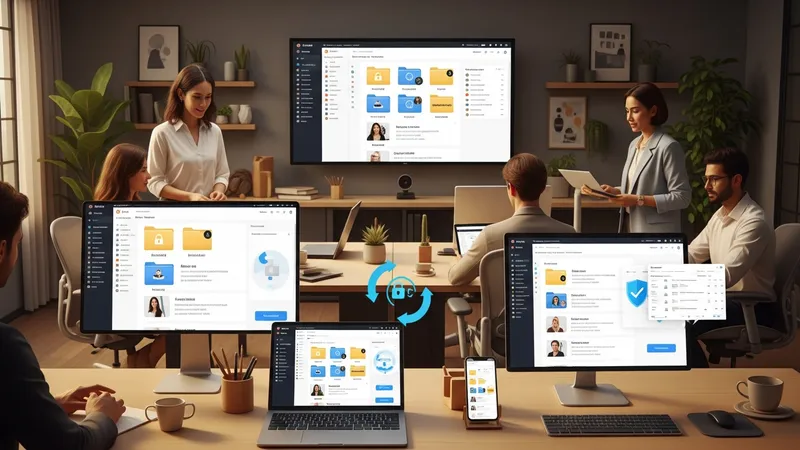
Access control is another significant feature, especially for organizational users. Providers may enable administrators to set permissions at the individual or group level, restricting who can view, edit, or share specific folders and files. This control aids compliance with data privacy regulations and helps mitigate the risks posed by unauthorized internal or external access.
Most platforms implement multi-factor authentication (MFA) to secure account access. MFA typically requires users to provide a password plus another verification method, such as a one-time code sent to a mobile phone. In the Philippines, support for MFA is broadly available, helping to reduce potential exposure to unauthorized logins and data breaches.
Some services offer features tailored for collaboration, such as real-time co-editing, comments, and activity logging. These capabilities can be valuable in the context of shifting work patterns in the Philippines, where distributed teams and virtual classrooms rely on digital platforms to coordinate and manage shared content.
Pricing for cloud storage in the Philippines tends to vary by provider, storage tier, and included features. Entry-level plans for individual users may start at about ₱80–₱120 per month for 100 GB, with family plans or business packages available at graduated price points. Higher-capacity offerings, such as 1 TB or unlimited storage, are typically priced at several hundred pesos or more each month, depending on service level and provider.
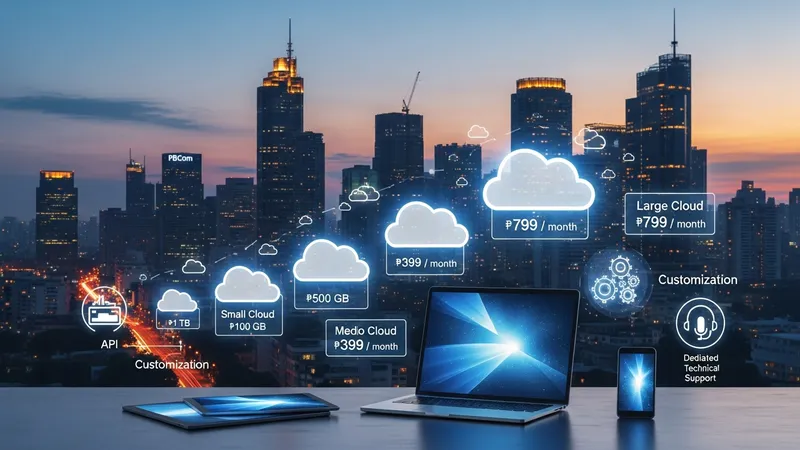
Business solutions in the Philippines can include additional factors in the pricing model, such as active user counts, API integration fees, compliance certifications, and guaranteed technical support response times. Large organizations may negotiate custom pricing based on storage requirements, data redundancy preferences, and the need for local data center residency to meet regulatory constraints.
Promotional discounts and bundled offerings are sometimes present in the local market, though these are subject to change and typically disclosed by providers for new or long-term clients. It is common for providers to grant limited free tiers or trial periods for new users to evaluate functionality before committing to a recurring payment plan.
Additional costs may be associated with special services such as advanced backup, longer data retention, external sharing controls, and extended history or versioning. Users in the Philippines are encouraged to review the detailed terms and service agreements of providers to fully understand what is included in a selected plan and to anticipate cost implications as storage needs evolve.
Security is a central concern for cloud storage users in the Philippines. Providers generally employ measures such as encryption at rest and in transit, firewalls, intrusion detection systems, and data replication to protect client files. Users are typically able to enhance their own security posture through strong password practices and activating provider-offered authentication options.
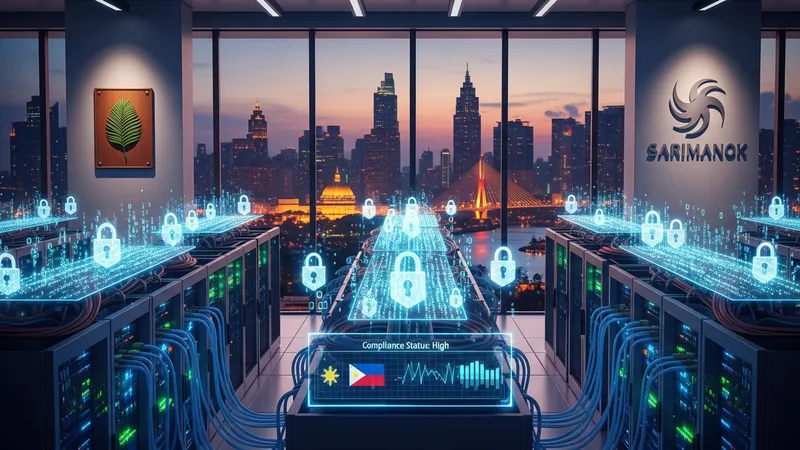
Providers operating within the Philippines must comply with data protection standards, including the Data Privacy Act of 2012. This legislation places requirements on how personal and sensitive information is collected, processed, and stored. Cloud service contracts or privacy policies usually outline compliance methods and any relevant security certifications or audits, such as ISO/IEC 27001.
Some organizations require data to be stored within the Philippines for legal or operational reasons, a policy referred to as data residency. Local providers may emphasize this feature, hosting data in domestic data centers to support compliance with local regulations, as well as to improve access speeds and technical support for Philippine-based users.
Users may benefit from reviewing public resources, such as the official guides published by the National Privacy Commission (privacy.gov.ph), to stay informed about rights and obligations related to cloud storage. Understanding these considerations provides the foundation for safer and more compliant cloud storage practices in the local context.