
Coworking spaces are shared environments where individuals from different backgrounds, organizations, or professions can work together in a single facility. Designed with a variety of amenities, these spaces aim to provide a productive setting that addresses the needs of remote workers, freelancers, and businesses. The focus on specific facilities, such as advanced connectivity, comfortable seating, and collaborative tools, reflects the importance of creating an atmosphere that may help users concentrate, collaborate, or relax as necessary.
Facilities within coworking environments are planned to accommodate a spectrum of professional requirements. Features such as reliable internet connectivity, quiet workstations, meeting rooms, and ergonomic furniture are frequently integrated into the design. The intention behind these provisions is to establish a landscape that can foster both concentration for focused tasks and interaction for team projects. In many cases, the diversity of amenities provides users with flexibility as their workflow demands change throughout the day or week.
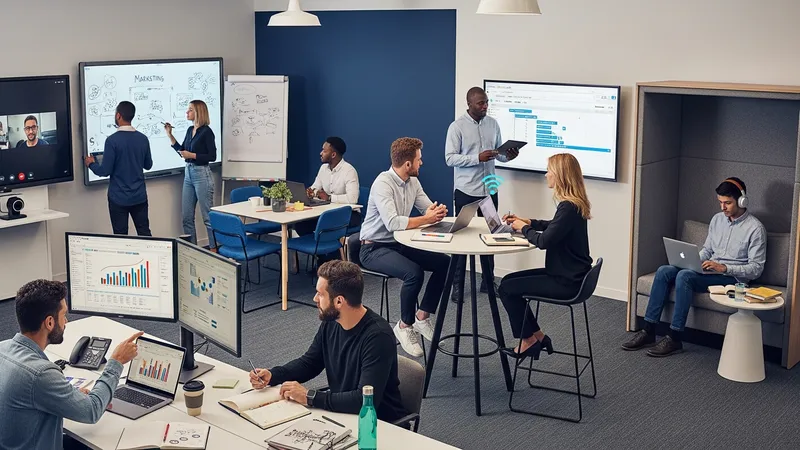
Reliable high-speed Wi-Fi is one of the foundational provisions in coworking spaces. Access to dependable internet may enhance productivity, as it allows for seamless participation in virtual meetings, cloud-based collaboration, and time-sensitive communications. Internet speeds and network stability can vary based on the provider, infrastructure, and number of simultaneous users, making this an essential consideration for most coworking facility users.
Quiet zones within these environments serve individuals who require a space free from auditory interruptions. These areas may include soundproofing or noise-cancelling features, supporting activities such as focused drafting, virtual client consultations, or the preparation of detailed reports. The presence of such zones can help accommodate the diversity of working styles present within shared settings.
Meeting rooms are included to support teamwork, presentations, or confidential discussions. These spaces can often be reserved by members and may be equipped with digital screens, whiteboards, and conference call setups. Flexible access to meeting rooms can assist teams that need to brainstorm, strategize, or engage with external partners on sensitive topics.
Each of these amenities is chosen based on commonly referenced needs within the professional community. The selection criteria typically reflect a balance between supporting deep focus and encouraging professional interaction. Further sections will examine how these features are strategically integrated, their variable costs, and other practical considerations in coworking environments.
In summary, coworking facilities emphasize a combination of digital connectivity, dedicated quiet workspaces, and collaboration rooms. These components are designed to provide flexibility and adaptability for a range of work activities. The next sections examine practical components and considerations in more detail.
Internet connectivity is a central component of coworking space facilities. The need for fast and robust Wi-Fi reflects the digital demands of a wide range of members, including freelancers and businesses. Many coworking environments invest in multiple network lines, backup connections, and advanced routers to decrease downtime and maintain service quality. Bandwidth allocation may also be dynamically managed, helping multiple users remain productive throughout the day.

Speeds offered in coworking spaces typically range from moderate to high, with some facilities providing premium paid upgrades. The specific requirements are often shaped by the digital nature of tasks being performed, such as video conferencing, data uploads, or cloud-based processes. Reliable connectivity can influence worker satisfaction and operational efficiency, but performance may still be affected by peak usage hours or building infrastructure.
Some coworking locations provide members with wired ethernet ports in addition to wireless connectivity. This can be especially beneficial for professionals handling large files or data-sensitive projects. Security protocols, including encrypted connections and password-protected networks, are often in place to safeguard user information, though users should remain aware of standard digital best practices in shared environments.
Routine maintenance and monitoring are generally undertaken to ensure uptime. Many coworking providers display network service status and offer support in case of disruptions. Facilities that invest in network upgrades and support staff may help create a reliable foundation for users engaging in diverse online activities, from virtual meetings to software development.
Quiet zones are intentionally designed as areas for minimal noise and distractions, supporting individuals who may benefit from concentrated work. These areas can feature architectural enhancements such as soundproof walls, acoustic dividers, and soft furnishings to absorb noise. The goal is to reduce external stimuli and allow for deep focus, especially for tasks demanding sustained attention or creativity.
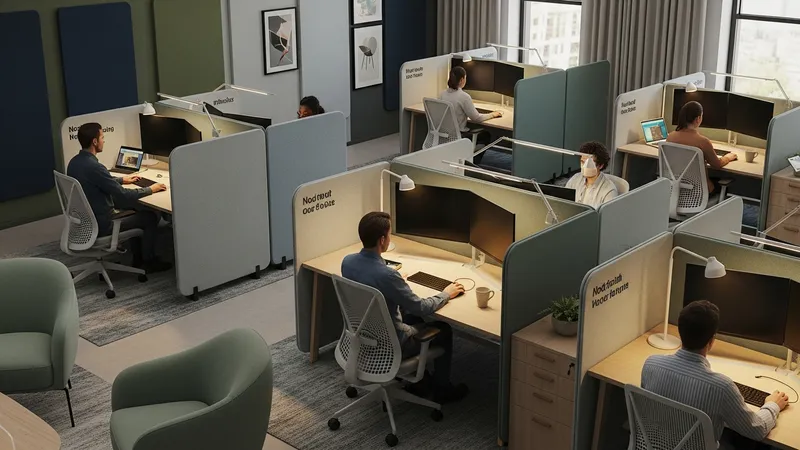
Implementation of quiet zones varies among coworking facilities. Some offer dedicated rooms, while others designate time blocks when certain areas operate as silent workspaces. Users may find clear guidelines on acceptable noise levels, mobile phone use, or conversation policies within these zones. The careful arrangement of furniture and spatial planning can optimize these spaces for privacy and individual focus.
Quiet spaces are often chosen by professionals in roles that depend on critical thinking, research, or written output. Remote employees and freelancers who require uninterrupted periods for report drafting, design work, or coding projects frequently utilize these amenities. The availability of such zones provides a recognizable benefit for a variety of work styles present in shared settings.
Feedback from users on the impact of quiet zones is generally captured through periodic surveys or informal input. While the restorative and productivity-supporting functions of such facilities are widely noted, some users may prefer more collaborative or open settings depending on project requirements. Flexible design and user feedback often influence the evolution of quiet zone policies in coworking environments.
Meeting rooms are a standard amenity in coworking facilities, providing private or semi-private settings for group discussions, presentations, and brainstorming sessions. These rooms are typically equipped with digital screens, whiteboards, and teleconferencing tools to accommodate both in-person and remote participation. The integration of meeting spaces reflects recognition of the importance of collaboration across various professions and project types.
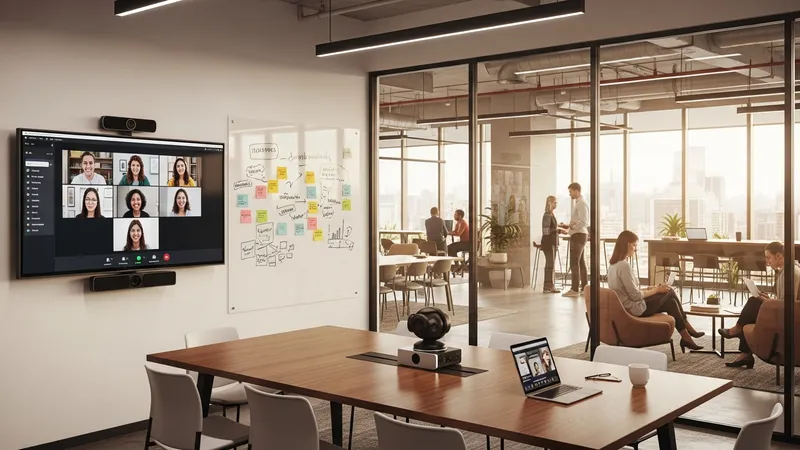
Booking systems for meeting rooms can range from online platforms to manual reservation boards. Many coworking facilities offer advanced scheduling options, allowing users to plan ahead for team gatherings or client calls. Room sizes and layouts often vary to suit different group sizes and purposes, with some spaces tailored for small group meetings and others for larger presentations or workshops.
These collaborative spaces may be available as part of a standard membership or as an added service at an hourly or daily rate. Pricing structures are typically transparent, with some packages including a set allotment of meeting room hours each month. The inclusion of audiovisual and presentation tools supports a broad range of professional activities within a shared space.
Many facilities report that access to flexible meeting spaces can positively influence user perception and overall satisfaction. The ability to transition between focused individual work and collaborative group sessions within the same environment demonstrates the adaptability of coworking space facilities. Organizations and independent professionals alike may view this as an important factor in choosing a shared workspace.
The impact of coworking space facilities on productivity is shaped by both physical and service-related elements. Amenities such as reliable high-speed internet, quiet work zones, and well-equipped meeting rooms offer tangible benefits. However, the actual influence on productivity may depend on factors like the nature of the tasks, the user's work style, and how often different amenities are utilized.
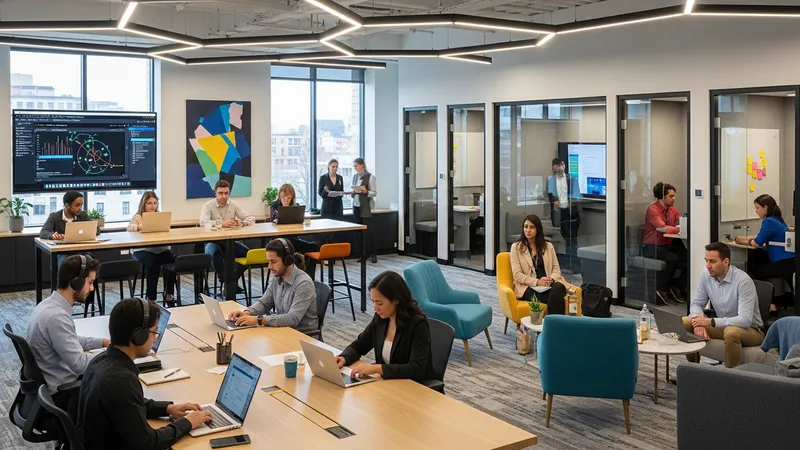
Costs associated with accessing these amenities typically vary by location, membership type, and the range of included services. Some facilities offer flexible plans that allow users to pay for only what they need, while others have packages that include a set of standard features. Additional charges may apply for premium meeting rooms, high-speed internet upgrades, or extended access hours. Transparency in pricing and service options helps users make informed decisions that align with their requirements.
Facility management plays a significant role in how well amenities deliver intended benefits. This can include the frequency of maintenance, responsiveness to user feedback, and the adoption of new technologies. Member experience may be further shaped by ancillary services such as on-site support staff, secure access control, and regularly updated technology infrastructure.
Overall, the success of coworking space facilities in supporting productivity is linked to the thoughtful integration of key amenities and transparent service offerings. Regular assessment of member needs and careful investment in both physical spaces and supporting services contribute to the facility's ongoing usefulness. Coworking spaces that evolve in response to professional trends tend to offer features that appeal to diverse work preferences and project demands.