
Electric vehicles (EVs) represent a significant shift in automotive technology, relying on electric motors powered by batteries rather than conventional internal combustion engines. The idea of EV cars: emission reductions and sustainability potential centers on the possibility that transitioning from fossil fuel-powered cars to battery electric vehicles could lead to lower tailpipe emissions and a reduced environmental footprint, particularly regarding air pollutants and greenhouse gases commonly associated with road transport.
Evaluating EV cars from an environmental perspective typically involves scrutinizing both direct and indirect emissions. Direct emissions refer to pollutants emitted while driving, whereas indirect emissions are often tied to the production of electricity for charging and the manufacturing process of the vehicles and their batteries. Sustainability potential in this context means examining the broader life-cycle impacts, including material sourcing, energy use, and the possibilities for recycling and resource efficiency at the end of a car’s life.
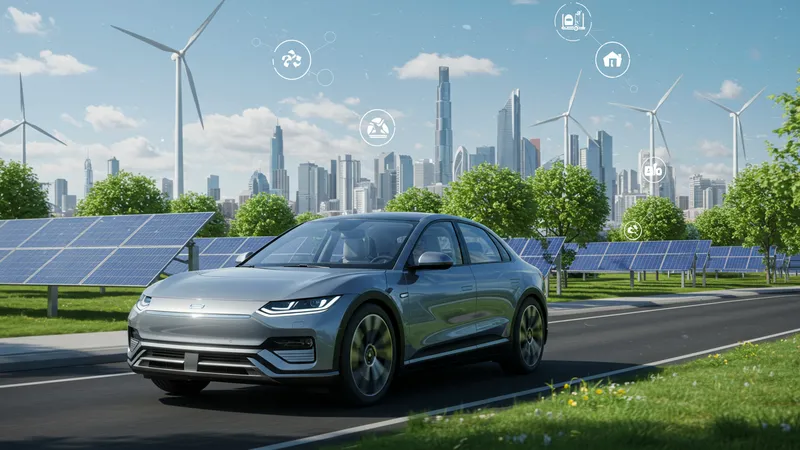
Transportation is a significant contributor to air pollution and greenhouse gas emissions globally. Electric cars, by replacing vehicles that burn gasoline or diesel, may directly help reduce local emissions, especially those related to nitrogen oxides and particulates, in urban areas. The precise effect depends on how electricity is generated in a given region and the energy mix between fossil fuels and renewables.
The sustainability potential of EVs is not limited to tailpipe emissions. It often involves careful analysis of battery production, resource extraction for materials like lithium or cobalt, and the recyclability of battery packs. Some manufacturers and third-party organizations are exploring recycling initiatives and sustainable mining strategies, which may help mitigate the environmental impacts associated with raw material supply chains.
Life-cycle assessments often compare the overall emissions of EVs to those from internal combustion engine vehicles over typical ownership periods. While the production phase for EVs can be more energy-intensive due to battery assembly, studies indicate that lower emissions during use can offset this initial impact, particularly if the car is charged using energy from non-fossil fuel sources.
Policy frameworks in several regions aim to accelerate the adoption of electric vehicles by providing incentives, setting emissions targets, and investing in charging infrastructure. Research continues on improving battery longevity and reducing costs, factors that could further influence the long-term sustainability profile of EV cars.
In summary, the emission reductions and sustainability potential of EV cars involve multiple factors, from the source of electricity and manufacturing impacts to evolving recycling technologies. The next sections examine practical components and considerations in more detail.
Examining the direct environmental impacts of EV cars highlights the absence of tailpipe emissions during use, a primary distinction from traditional gasoline or diesel vehicles. This feature commonly results in improved urban air quality, particularly where vehicle density is high. However, the total emissions footprint depends on upstream factors such as electricity generation methods for charging and vehicle production processes.

Electricity generation for EV charging can significantly shape the actual reduction in greenhouse gases. In areas relying mostly on renewable sources or low-carbon grids, charging an EV typically produces much lower indirect emissions than conventional vehicles. In contrast, regions still dependent on coal or oil-fired power plants may see more modest total emissions benefits. Fluctuations in the energy mix can shift the comparative footprint of electric versus combustion-engine cars over time.
Batteries are core to both the operation and the environmental profile of electric cars. The extraction and refinement of battery materials like lithium, nickel, and cobalt involve energy-intensive processes, sometimes associated with environmental degradation and resource depletion. Ongoing advancements in battery chemistry and supply-chain management may help reduce the lifecycle impacts linked to battery production, though this is an area of active research and policy attention.
Many countries and manufacturers are expanding efforts to develop circular models for EV batteries. Established recycling programs aim to reclaim valuable materials and reduce waste, potentially lowering the need for primary resource extraction. Such approaches are seen as increasingly important for improving the overall sustainability of the electric vehicle sector and managing future end-of-life battery handling.
Policy measures, such as emission standards, subsidies, and investment in renewable infrastructure, can influence the adoption of EV technology and its associated sustainability outcomes. These frameworks often seek to accelerate the transition away from fossil fuels and support the integration of electric cars into wider transportation networks by making charging more accessible and electricity generation cleaner.
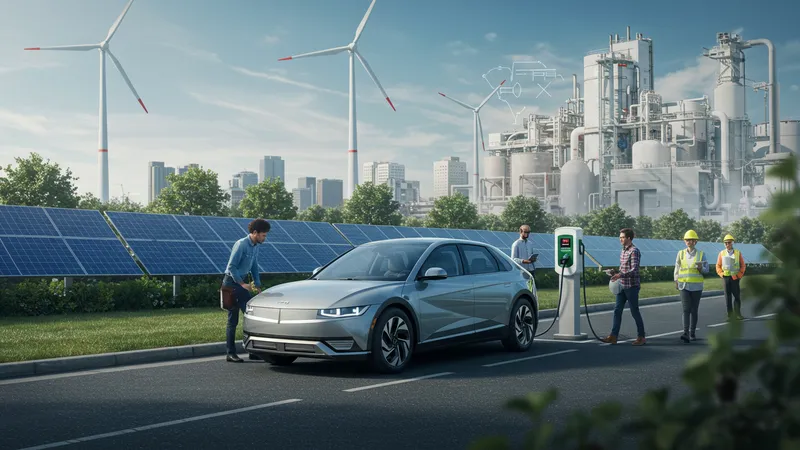
Vehicle manufacturers and industry consortia are collaborating to standardize processes, particularly for battery manufacturing and recycling. Efforts to improve transparency and traceability in mining for materials like lithium are underway, often via third-party certifications or best practice guidelines. Such initiatives aim to ensure that the whole value chain for EVs aligns more closely with environmental and social governance principles.
The sustainability potential of EVs also encompasses the prospects for battery advancements, including higher energy densities and faster charging times. Improvements in battery design may lower resource intensity and extend service life, which could further improve the emissions profile over a vehicle’s lifetime. Research continues on next-generation batteries using abundant, less problematic materials.
Consumer behavior plays a role in shaping the emission impact of EV adoption. Factors such as average driving distance, frequency of charging, and engagement with renewable energy tariffs all contribute to a given EV’s net impact. Typical outcomes may vary widely depending on regional grid mixes, user choices, and ongoing technological evolution in battery production and recycling.
Performance factors such as range, charging speed, and vehicle weight affect the overall efficiency and sustainability of electric cars. Advances in battery technology can lead to longer driving ranges, potentially reducing the frequency of charging and resource use over time. However, the energy consumed in manufacturing larger batteries must be balanced against these performance improvements from a sustainability perspective.
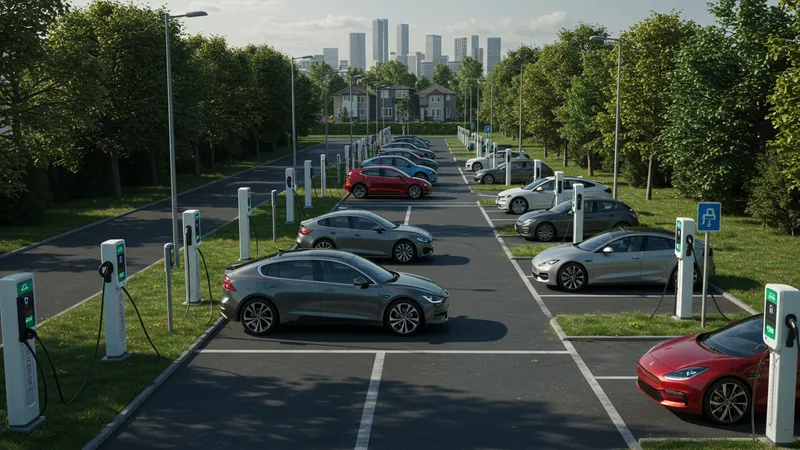
The location and convenience of charging infrastructure often shape practical adoption patterns, which can, in turn, impact the broader emission-reduction potential of EV fleets. Densely developed public charging networks may facilitate the shift toward zero-tailpipe emission vehicles in urban and suburban environments. Slow expansion of charging capacity, however, may impede uptake in certain regions, thus limiting total emission reductions at scale.
Cost factors—covering both upfront purchase prices and long-term maintenance—are relevant for assessing sustainability and emission-reduction prospects. While some EV models, like those previously listed, typically feature higher initial prices than many conventional vehicles, lower maintenance requirements and reduced energy costs over time can partly offset higher upfront expenditures. Actual costs vary based on local energy prices, support policies, and supply chain variables.
Incentives for installation of home charging stations, integration with smart grids, and capability for vehicle-to-grid energy return are other features influencing the emission and sustainability outcomes of EV adoption. These elements, together with ongoing technological progress, could enable more efficient energy use and potentially contribute to greater environmental benefits, depending on implementation context.
Research and analysis suggest that continuous improvements in technology, policy, and infrastructure could progressively enhance the emission-reduction potential of electric vehicles. Life-cycle studies indicate that as grids become less carbon-intensive, EVs may deliver greater reductions in net emissions, especially if manufacturing processes also shift toward renewably powered operations. The trajectory of these changes is influenced by international agreements and national climate targets.

Efforts to establish global standards for battery recycling and ethical sourcing of raw materials are expected to become more prominent. Such measures aim to mitigate the environmental and social impacts associated with large-scale EV deployment. Scaling up these initiatives may require international cooperation, stable regulatory frameworks, and continued investment in research and development.
The development and integration of second-life applications for EV batteries, such as stationary energy storage for homes or commercial buildings, can further enhance overall sustainability. Utilizing retired batteries in secondary uses may extend the operational lifespan of battery materials and contribute to grid stability as renewable energy adoption increases worldwide.
Looking ahead, the emission reductions and sustainability potential of electric cars will likely be shaped by a blend of technological, regulatory, and consumer factors. Stakeholder collaboration across industries and regions, informed by transparent data and ongoing assessment, may support continued progress toward environmental objectives as EV adoption expands.