
The transition from internal combustion engine vehicles to electric vehicles (EVs) represents a notable shift in automotive transportation. Selecting an EV involves evaluating key factors related to energy use, charging infrastructure, vehicle range, upfront and ongoing costs, and environmental impact. These considerations can shape both the practicality and value of an EV in daily life. Understanding these elements may help potential owners align technology choices with lifestyle and expectations.
Evaluating EVs involves examining specifications beyond conventional vehicles. Extensive factors include battery technology, charging compatibility, warranty provisions, and even regional support for incentives or infrastructure. While EV adoption has expanded over recent years, purchasing decisions remain multifaceted and benefit from a careful review of technical and non-technical features relevant to each model.
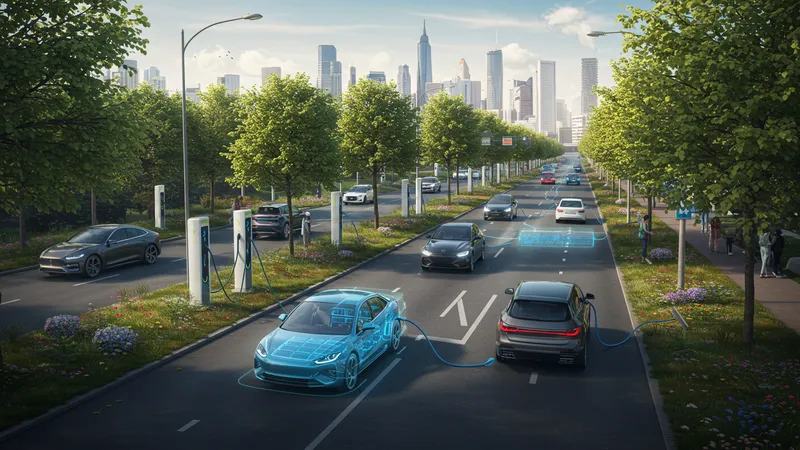
Battery range and capacity are central to the user experience with EVs. Real-world range may be influenced by factors such as driving style, temperature, and payload. Owners might typically find shorter or longer ranges compared to official ratings, so it is prudent to interpret range figures as estimates rather than guarantees.
The compatibility with available charging infrastructure is another significant factor. Public charging networks have expanded considerably but may still be inconsistent in some regions. Prospective purchasers often compare the options for home charging equipment and the time required for standard versus fast charging.
Cost considerations span both initial purchase price and ongoing expenses. While EVs generally incur fewer fuel and maintenance costs over their lifetimes, actual financial impact can depend on local electricity rates, battery replacement timelines, and access to incentives. Tax credits or rebates may be available in some regions, but eligibility typically depends on meeting specific criteria.
Warranty and manufacturer support also play a distinct role in the decision-making process. Many automakers provide extended battery warranties, reflecting confidence in battery longevity and offering a measure of reassurance to owners. Warranty terms and after-sales support may differ between brands and regions.
Considering all factors together can give prospective EV buyers a balanced perspective. Technical details, cost structures, infrastructure maturity, and support options should all be considered in context with personal requirements. The next sections examine practical components and considerations in more detail.
The battery range of an EV is commonly cited as a fundamental factor when selecting among electric vehicles. Range describes how far a car may typically travel on a single charge under specified test conditions. This measure can provide a benchmark, though individual use cases and environments often modify real-world outcomes.
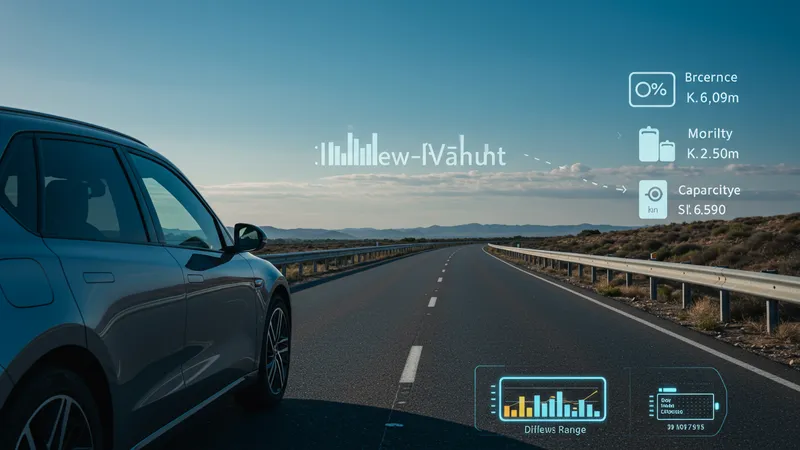
Battery capacity is measured in kilowatt-hours (kWh), with larger capacities generally associated with greater driving range. However, the overall efficiency of the vehicle, climate control usage, and speed can all significantly influence how many miles can be covered on a single charge. Prospective purchasers generally find it reasonable to relate listed range figures to personal driving needs and common patterns.
Regulatory authorities and industry groups often use standardized procedures to estimate range, but actual figures may differ due to variables like terrain, temperature, and driving speed. For instance, cold weather can temporarily reduce available range, while sustained highway speeds may also lead to higher energy consumption. Awareness of these influences is useful when interpreting manufacturer-provided range data.
Battery degradation is another topic of interest, as capacity typically diminishes gradually over time and uses. Although many EVs are engineered to retain the majority of their original capacity after several years, actual rates may differ. Battery warranties offered by manufacturers, typically ranging from 8 to 10 years or a certain mileage, can address owner concerns about long-term usability.
The effectiveness of EV ownership is often linked to the maturity and accessibility of charging infrastructure. For most users, this includes both home charging solutions and public charging networks. Having a home charging station can significantly enhance convenience, allowing routine charging during off-peak hours or overnight.
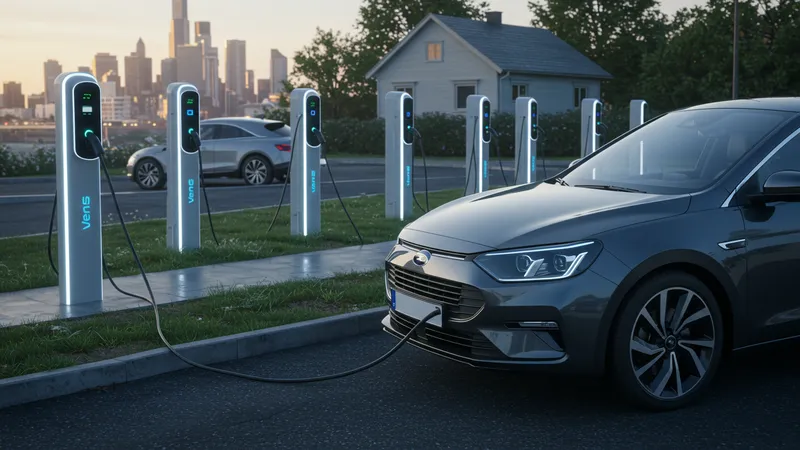
Public charging availability varies by location and network provider. In urban centers and along major travel corridors, the presence of fast-charging and regular charging sites has grown. However, rural areas and some regions may have sparser coverage. Vehicle buyers are advised to review charging options relevant for their typical routes or travel patterns prior to purchase.
Charging speeds depend on the charger type and the vehicle's onboard charging capability. Level 1 (120V) charging is slow but accessible for most households, while Level 2 (240V) outlets can recharge batteries more rapidly overnight. Direct Current (DC) fast charging provides the quickest option, though not all vehicles are compatible with every network or charging standard.
Compatibility involves connector types as well, with standards like CCS, CHAdeMO, and Tesla Supercharger designed for different brands and regions. Owning an EV typically means understanding these distinctions and determining which networks or at-home setups are available or suitable for the intended vehicle.
The initial outlay for an electric vehicle may often be higher than for a conventional car of similar features. This is largely attributed to the high cost of lithium-ion battery technology. However, ongoing expenses related to electricity use, maintenance, and repairs can often result in savings over time, although outcomes vary by region and driving habits.
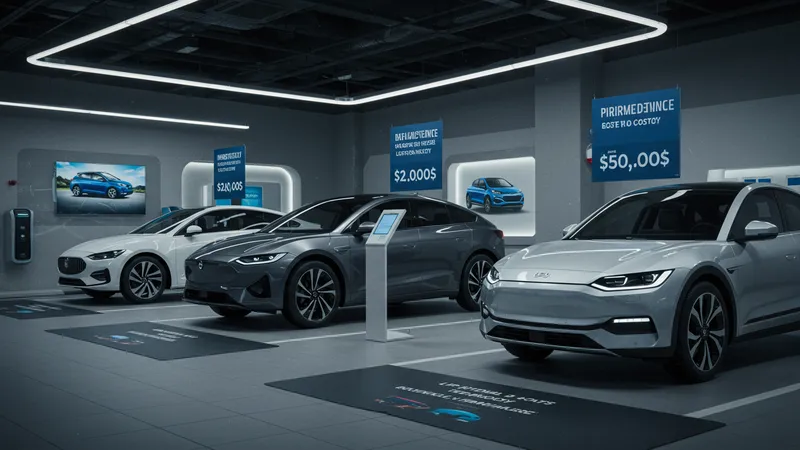
EV pricing spans a wide spectrum, from entry-level models to high-performance varieties. Entry models are typically priced between $25,000 and $40,000, while premium versions may exceed $60,000. Incentives in certain markets may affect these figures, but availability and criteria for such programs can change over time.
Electricity rates for charging vary by location, time of use, and provider. Some users benefit from lower overnight rates or time-of-use plans, which can reduce the cost of charging at home. Maintenance tasks for EVs are commonly less frequent due to the reduced number of moving parts, but specialized labor for battery issues or complex electronics may affect total cost calculations.
Insurance costs for EVs may differ from comparable gasoline vehicles due to the vehicle’s value, repair network familiarity, and parts availability. It is advisable for prospective buyers to assess not just purchase price but projected expenses over several years, factoring in their expected usage and local conditions.
Manufacturer warranty coverage for electric vehicles is a crucial component often evaluated by buyers. Many EV manufacturers extend specific warranties for batteries, frequently offering 8- to 10-year or mileage-based assurances. These provisions typically aim to address concerns about battery degradation and repair costs during early ownership years.
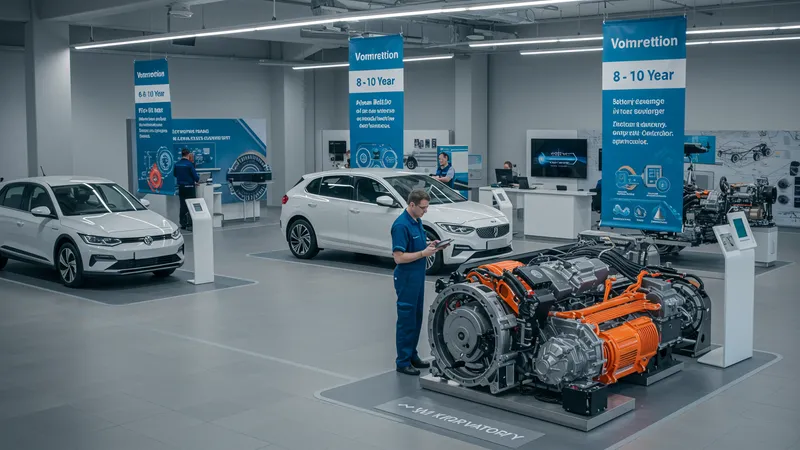
Aside from battery coverage, warranty terms for other components such as electric motors, inverters, and electronic controllers can differ among brands and regions. After-sales support infrastructure is also a factor, including the availability of trained technicians and replacement parts for specialized EV components.
Software updates are another aspect of modern EV ownership. Some manufacturers can frequently update vehicle systems remotely, which may enhance features or improve performance over time. The ability to receive over-the-air updates may reduce the need for service visits, yet also depends on the manufacturer's support model and data connectivity in the owner's area.
Additional purchasing considerations include potential resale value, regional incentives, and environmental impacts relating to battery production and recycling. Prospective owners may benefit from reviewing all these factors holistically. Each element contributes to building a complete and well-informed perspective on the suitability of a particular EV for intended use cases and local context.