
Electric vehicles (EVs) are designed with unique engineering principles and frequently adhere to distinct safety regulations compared to traditional internal combustion engine vehicles. The development and enforcement of safety standards for EVs may encompass various categories such as crashworthiness, battery safety, occupant protection, and electrical integrity. These standards are often established by international bodies, national regulators, and industry groups to ensure that EVs meet acceptable thresholds of safety for public road use.
Safety requirements for EVs typically take into account the high-voltage battery systems, advanced driver assistance technologies, and specific crash characteristics inherent in electric propulsion. Physical testing, compliance verification, and regular updates to existing requirements are common practices to keep pace with evolving vehicle technologies. By aligning with such standards, manufacturers can contribute to reducing the risks associated with the use and charging of EVs, including issues related to thermal management and emergency response.
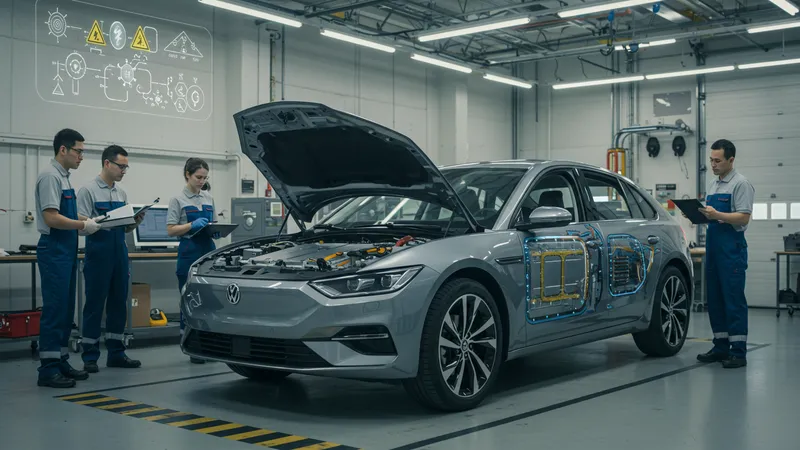
These examples illustrate the broad landscape of safety regulations that may apply to electric vehicles across different regions and organizations. International coordination helps ensure vehicles meet minimum safety baselines, but regional adaptations are common depending on specific infrastructure or public safety needs. Manufacturers are often expected to navigate both mandatory requirements and optional safety rating systems to bring their EVs to market.
UNECE Regulation No. 100 is widely referenced among international EV manufacturers, governing how electric powertrains are built to prevent electrical shock, short circuits, and battery hazards. Its application is crucial in regions participating in the 1958 UNECE Agreement and may serve as a foundation for further local rules. Testing protocols typically require both laboratory assessments and real-world validation to verify compliance with electrical safety criteria.
The U.S. FMVSS includes a range of crash and electrical safety requirements relevant to EVs. In the context of battery containment and post-crash protocols, manufacturers are generally required to demonstrate that electrical systems do not pose an undue risk following an accident. Periodic review and updates mean that these standards may evolve as new evidence or technologies emerge, making ongoing compliance a continuous process.
Euro NCAP’s voluntary protocols, while not legally binding, can influence automaker design choices by publicly rating vehicles on a spectrum of safety attributes. Their assessment often includes considerations unique to EVs, such as the ease of first responder access and secondary risks from high-voltage systems. Such programs typically complement, rather than replace, legal safety requirements.
In summary, electric vehicle safety standards are structured by a combination of international agreements, regional regulations, and voluntary programs. These frameworks aim to address the specific characteristics of EV technologies to promote safer operation and public reassurance. The next sections examine practical components and considerations in more detail.
Safety categories for electric vehicles often address a range of potential hazards and operational scenarios. Among the most significant are crashworthiness, which pertains to the vehicle's structural response during collisions; battery safety, focusing on management of thermal and electrical risks; and occupant protection, which examines seat restraints, airbags, and interior materials. Each category typically interacts with one or more of the regulations or protocols described on the first page.
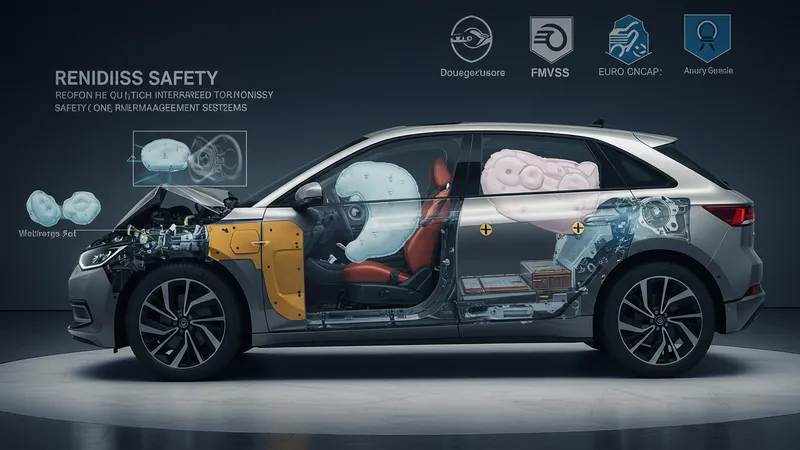
Crashworthiness involves not only the durability of the vehicle's frame but also the securement of high-voltage batteries within the vehicle's structure. Methods for testing crashworthiness in EVs may include frontal, side, and pole impact evaluations, as outlined by agencies like FMVSS and Euro NCAP. Results may influence vehicle design choices, such as reinforcements near battery compartments or protective shielding around critical components.
Battery safety is a distinct category for EVs, encompassing rules for preventing short circuits, containing thermal runaway events, and ensuring proper isolation of live electrical parts. UNECE Regulation No. 100 provides a baseline for these aspects, but manufacturers often perform additional tests to address region-specific environmental or usage patterns. These tests may simulate overcharging, puncture, water immersion, or extreme temperatures to verify battery stability.
Occupant protection in EVs typically incorporates enhancements found in traditional vehicles, such as crumple zones and airbags, while adding provisions for unique risks associated with high-voltage systems. Emergency shut-down mechanisms and labeling of high-voltage cables are often required to protect both occupants and first responders. As the specific safety features are continually updated, vehicle models can see varying configurations based on the year of manufacture and targeted sales region.
Ensuring the integrity of batteries is a central component of EV safety standards. International and national bodies often require that batteries withstand a series of mechanical, thermal, and electrical tests to demonstrate resilience under normal and abnormal conditions. Laboratory-based assessments may include shock, vibration, and penetration tests, while real-world procedures can address vehicle crashes and fire risks. These approaches help confirm that batteries typically remain structurally sound and isolated from occupants.
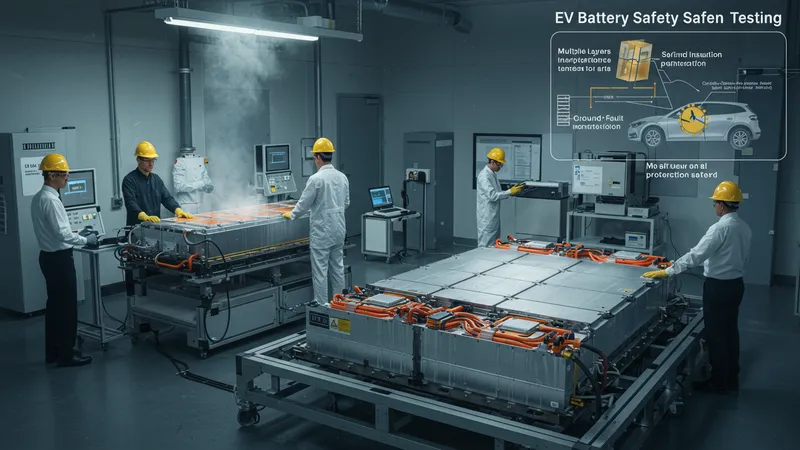
Electrical protection standards focus on minimizing the risk of electrocution or short circuit during vehicle operation and post-crash scenarios. Systems are often designed with multiple layers of insulation, ground-fault monitoring, and automatic disconnection features. For example, UNECE Regulation No. 100 outlines minimum requirements for live part isolation, which vehicle manufacturers interpret through design, material selection, and redundancy in critical components.
In terms of regulatory compliance, manufacturers are expected to provide documentation and testing results to authorities before market approval. This process may involve periodic re-assessment as battery chemistries and vehicle functions evolve. Additional requirements for labeling and user warnings are designed to inform operators and emergency personnel about the presence and condition of high-voltage systems in the event of an accident or malfunction.
Electrical safety measures may also extend to charging protocols and infrastructure compatibility. Adherence to recognized standards helps mitigate the risk of overheating, electrical arcing, or incompatible voltages when connecting to public or private charging stations. Performance validation under routine and extreme usage scenarios can provide increased assurance for vehicle owners and service providers.
Crash testing is a cornerstone for certifying the roadworthiness of electric vehicles. Manufacturers typically subject their vehicles to controlled simulations such as frontal, side, rear, and rollover impacts in accredited facilities. These assessments are generally required by authorities like the U.S. NHTSA or conducted according to protocols set by organizations such as Euro NCAP to evaluate occupant safety and overall vehicle resilience.
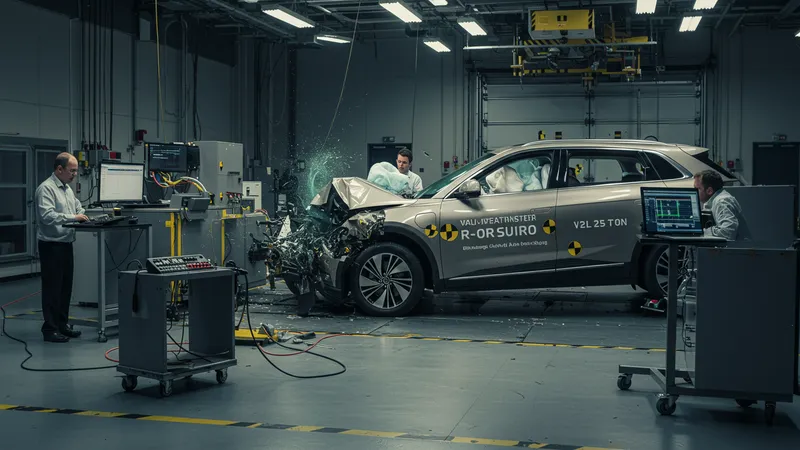
Certification processes often include independent audits to verify data integrity and adherence to the relevant safety standard. This ensures that results shared with the public or regulators reflect actual vehicle performance. In some regions, voluntary crash tests may coexist with mandatory protocols, providing an additional layer of transparency for consumers and industry stakeholders.
For electric vehicles, crash tests frequently incorporate specific evaluations for battery containment and the prevention of short circuits during and after impacts. Procedures examine whether high-voltage systems remain isolated and whether there are risks of thermal events or exposure to occupants and first responders. Success in these criteria usually precedes the granting of sale certifications or safety ratings.
Ongoing certification may be necessary for vehicles that undergo design updates or incorporate new battery technologies. Detailed records of tests and modifications are typically kept by both manufacturers and regulatory bodies to track compliance over time. This adaptive approach may help manage emerging risks as EV design and component specifications evolve.
EV safety standards may continue to evolve as new propulsion systems, autonomous features, and battery chemistries are introduced into the market. Industry stakeholders often collaborate on setting future requirements, factoring in lessons learned from incident investigations and real-world performance data. Continuous research aims to address potential vulnerabilities that may arise from increased connectivity and power density in vehicle systems.
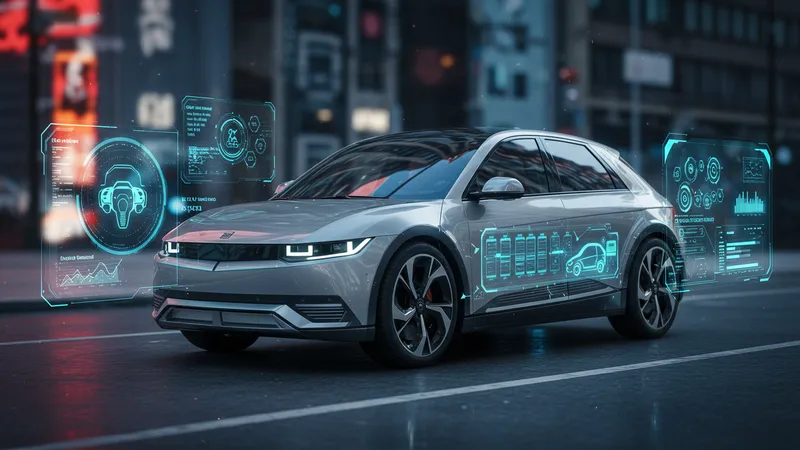
The integration of advanced driver assistance systems (ADAS) and semi-autonomous functions may impact safety frameworks for EVs. These technologies can introduce new operational scenarios and require supplementary testing for emergency shutdown, fault tolerance, and vehicle communication protocols. Authorities and standard-setting organizations may periodically publish updates or amendments to guide these evolving areas.
Global harmonization of safety standards remains a stated goal among international regulatory bodies to streamline certification and facilitate cross-border trade. Differences in local conditions, infrastructure, and consumer expectations can, however, result in region-specific rules and adaptations. As a result, automakers often design vehicles with modular or configurable safety features to navigate diverse regulatory environments.
In summary, the progression of EV safety requirements typically reflects a balance between technological innovation and practical risk management. Adherence to evolving standards allows manufacturers and policymakers to address both current needs and foreseeable future developments in the sector. These ongoing adaptations aim to uphold safety without inhibiting advancements in electric mobility.