
Electric vehicles (EVs) are designed to use electricity as their primary source of power, operating with electric motors rather than internal combustion engines fueled by gasoline or diesel. This shift in vehicle design is positioned within an ongoing global transition toward sustainable modes of transportation. By relying on stored electrical energy—often sourced from renewable generation where available—EVs may contribute to a reduction in the environmental impact traditionally associated with conventional vehicles.
The environmental considerations of EVs include not only their direct operational emissions but also the entire lifecycle, including battery production, energy sourcing, and end-of-life recycling. Analysts examine these factors to gauge whether the adoption of electric vehicles often correlates with lower greenhouse gas footprints and air pollution levels, especially when compared to internal combustion engine vehicles. The potential impact of EVs on local air quality, global emissions, and long-term environmental goals is regularly assessed by researchers, policy organizations, and industry stakeholders.
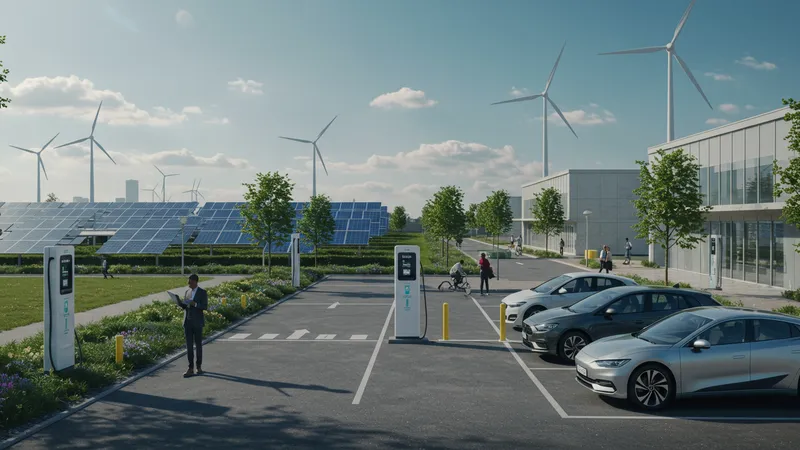
These examples represent commonly referenced EV models that highlight the main features and design priorities found in today’s electric vehicle market. Selection is based on their international availability, alignment with major automotive manufacturers, and representation across various price segments. Each model has been involved in studies or pilot programs concerning environmental performance, making them relevant for evaluating the practical outcomes of EV adoption.
EVs may reduce direct tailpipe emissions in urban environments, contributing to improvements in air quality where electrification is coupled with low-carbon energy sources. This feature has led several city administrations to integrate EVs into public transport fleets, aiming for a decrease in particulate matter and nitrogen oxide concentrations. The broader effect, however, may depend on the composition of the underlying power grid, as higher percentages of renewable energy usage typically improve the carbon balance of electric mobility.
The manufacturing phase, particularly battery production, is a notable contributor to the total environmental impact of EVs. Batteries require extracting and processing materials like lithium, cobalt, and nickel, processes that can entail substantial energy consumption and environmental risks. Effective recycling programs and advances in battery chemistry are ongoing areas of research and development, as these may help address concerns related to resource use and environmental degradation over the full lifespan of electric vehicles.
Energy efficiency is another aspect where electric vehicles are frequently highlighted. When compared with many internal combustion engines, EVs can convert a higher percentage of grid energy into vehicle movement. This attribute does not guarantee a uniformly superior environmental outcome but suggests that, under favorable energy generation conditions, EVs typically produce fewer greenhouse gases per kilometer traveled.
In summary, electric vehicles offer a pathway that may lead to reductions in emissions and improvements in energy efficiency under specific conditions. Environmental benefits and impacts are closely tied to factors such as manufacturing processes, battery composition, power source mix, and recycling systems. The next sections examine practical components and considerations surrounding the adoption and evaluation of EVs in greater detail.
Battery technology plays a central role in shaping the environmental profile of electric cars as it determines not only vehicle range and performance but also resource usage and recyclability. Lithium-ion batteries remain the most prevalent in modern EVs, balancing energy density with rechargeability. The production phase involves complex supply chains for minerals, and current research is focused on minimizing the ecological footprint associated with mining, processing, and transportation of battery materials.
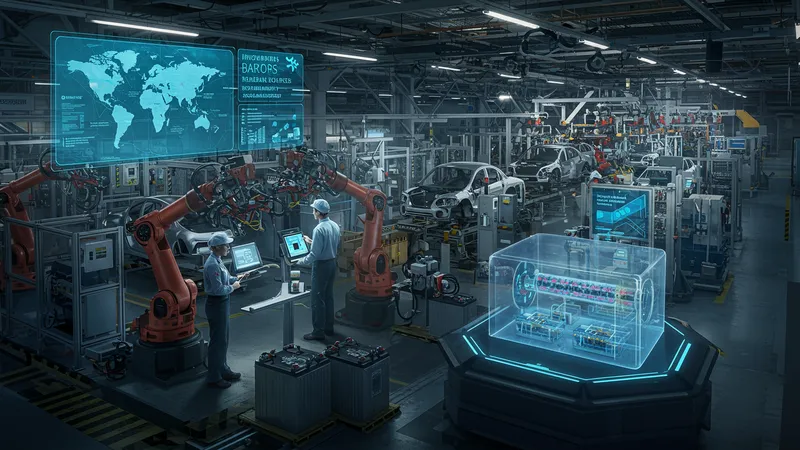
Material sourcing for EV batteries may involve regions with varying regulatory oversight, potentially affecting the environmental and social impacts of extraction. Companies and industry groups have increasingly adopted traceability and certification approaches to manage these impacts more transparently. Additionally, introducing new chemistries, such as solid-state batteries, could further influence the lifecycle impact by reducing reliance on scarce materials and improving recyclability.
Battery end-of-life management is another critical consideration. Recycling initiatives aim to recover valuable materials and reduce landfill waste. However, recycling processes can be energy-intensive, and global infrastructure for EV battery recycling is still growing. Life cycle analyses suggest that integrated recycling strategies may help decrease the cumulative energy and resource demand linked to battery usage, particularly as battery technology standardizes over time.
Industry collaborations with scientific institutes and policy makers are facilitating the development of stewardship standards intended to strengthen the sustainability of battery manufacturing and end-of-life management. These efforts typically involve environmental monitoring, technology innovation grants, and public-private partnerships designed to encourage responsible practices throughout the EV battery value chain. As battery technology evolves, its role in supporting the overall environmental benefits of EVs remains an area of ongoing reassessment and innovation.
The broader environmental impact of EV cars is closely tied to the composition of the electricity grid from which they draw power. Where energy grids feature a high proportion of renewable sources, such as wind, solar, or hydro, the indirect emissions associated with EV charging may be significantly lower than in regions dependent on fossil fuels. This variance means that overall environmental benefits can fluctuate based on location and seasonal grid variations.
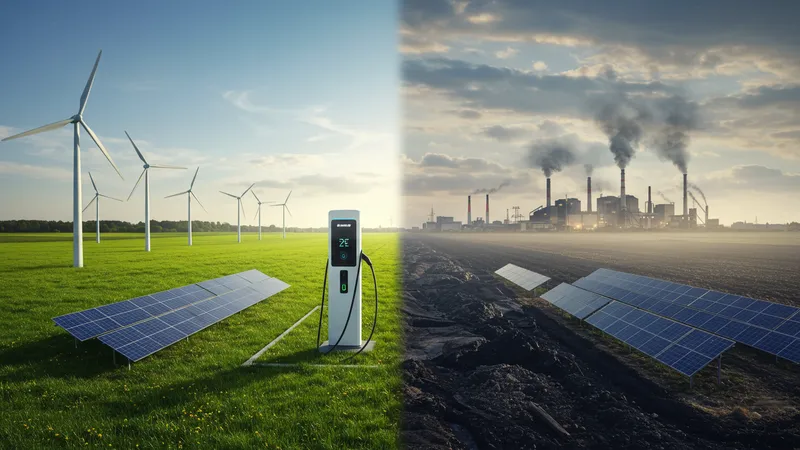
A grid dominated by coal or natural gas typically results in electric vehicles having a less pronounced emissions advantage compared to areas with substantial renewable energy inputs. Tracking the carbon intensity of electricity in various jurisdictions is regularly performed by organizations such as the International Energy Agency (IEA), providing benchmarks for policymakers and consumers seeking to assess the comparative efficiency of EVs.
Many countries have introduced policies designed to encourage further decarbonization of the grid, including investment incentives for renewable energy projects and infrastructure upgrades for smart charging systems. Smart charging technology may allow EVs to prioritize charging during periods of lower grid emissions, smoothing demand peaks and integrating seamlessly with renewable output fluctuations.
Ongoing research focuses on how the growth in EV adoption may affect overall electricity demand and the potential requirement for grid modernization. Policy institutes and academic studies highlight scenarios in which managed charging and distributed energy resources, including home solar systems, may support stability and sustainability of the electricity grid in tandem with expanding EV fleets.
Lifecycle assessments (LCAs) are analytical tools employed to evaluate the complete environmental impact of electric vehicles, including all phases from raw material extraction to disposal or recycling. LCAs attempt to quantify energy usage, emissions, and resource consumption over the entire lifespan of an EV, providing a holistic view that extends beyond immediate tailpipe performance.
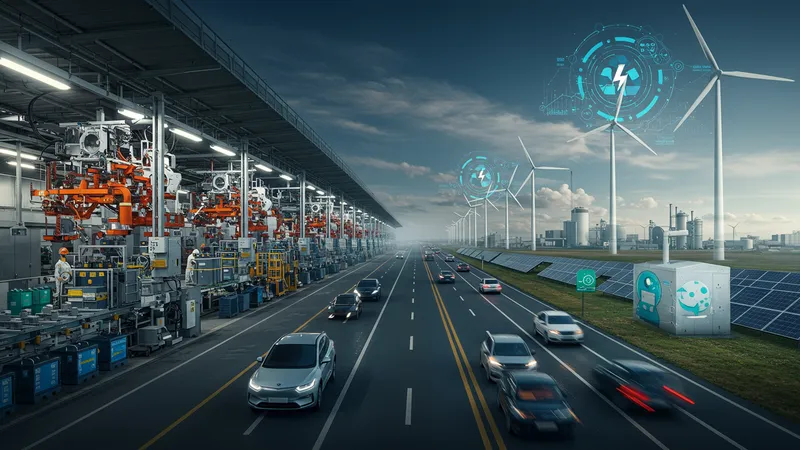
Studies often compare the full lifecycle emissions of EVs with those of internal combustion engine vehicles, incorporating factors such as manufacturing, operational use, and end-of-life management. EVs typically exhibit higher emissions during the production phase, mainly due to battery manufacturing, but may compensate through reduced operational emissions, especially in regions with clean electricity generation.
The results of lifecycle assessments can vary depending on input assumptions, local grid mix, vehicle model, and technological advancements. Changes in battery efficiency, improved supply chain practices, and increased recycling rates may all influence the trajectory of total environmental impact over time. This continual reassessment emphasizes the importance of evolving data and ongoing monitoring.
Lifecycle considerations have become increasingly acknowledged in policy frameworks, influencing vehicle emission targets, incentive programs, and the development of comprehensive recycling strategies. Future improvements in lifecycle analysis methodologies may support more precise environmental benchmarking of current and emerging EV technologies.
National and local policies play a significant role in the expansion and environmental impact of EV cars. Many governments have enacted measures such as tax incentives, emissions regulations, and investment in charging infrastructure to support the adoption of electric vehicles. These policy approaches can alter the pace of EV uptake, the scale of charging networks, and the degree of integration with broader renewable energy initiatives.
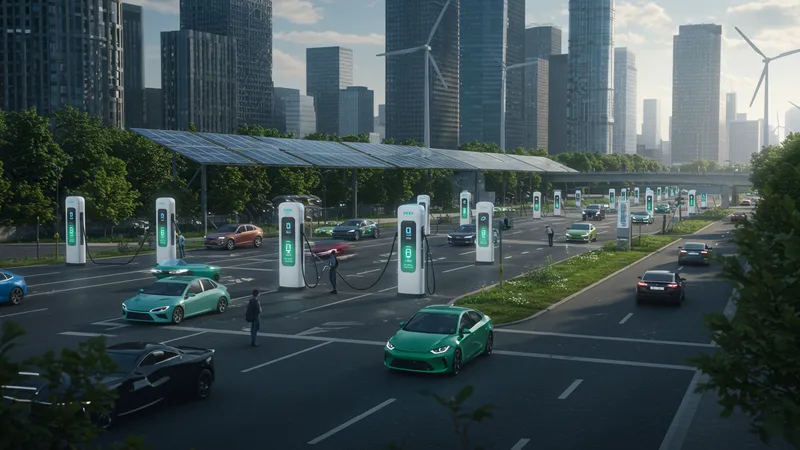
Public charging infrastructure is a pivotal component, influencing consumer confidence and practical usability of EVs. The density, accessibility, and power ratings of charging stations vary by region, often reflecting both public and private investment priorities. Expanding charging infrastructure, especially in urban centers and along transit corridors, may support the acceleration of EV deployment with associated environmental benefits.
Urban planning and zoning policies may also impact the success of EV integration. Some cities encourage the use of EVs in public transport fleets, provide incentives for replacing conventional taxis or delivery vehicles, or designate low-emission zones to improve air quality. These targeted initiatives complement broader legislative frameworks shaping the environmental outcomes of electric vehicle adoption.
In conclusion, evaluating the environmental benefits and impact of EV cars is multidimensional, involving advances in technology, changes in the energy landscape, responsible resource management, and supportive public policy. As EV-related technologies and infrastructure develop, continued monitoring and adaptation are essential to realize potential gains in sustainability and air quality.