
Green technologies refer to innovations designed to address environmental concerns through resource efficiency, reduced emissions, and sustainable production methods. In Switzerland, these solutions are integral to tackling ecological challenges across energy, manufacturing, and transportation sectors. Green technologies encompass various systems and materials that may contribute to conserving resources and limiting negative impacts on the ecosystem.
Many organizations and policymakers in Switzerland are increasingly adopting green technologies to align with sustainability goals. Approaches typically emphasize renewable energy sources, environmentally conscious construction, and improvements in industrial processes. Such strategies broadly aim for a balanced relationship between progress and ecological responsibility, adhering to Switzerland’s regulatory frameworks and environmental targets.
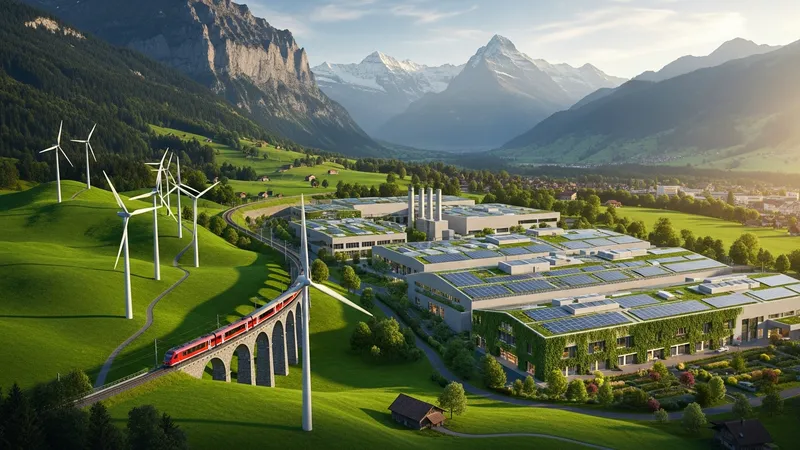
Switzerland’s experience with renewable energy integration highlights how expanding solar and hydroelectric resources can diversify energy supplies while lowering reliance on fossil fuels. The technical implementation often requires grid upgrades, digital monitoring, and demand-response strategies.
Rail transport in Switzerland is recognized for prioritizing energy efficiency, leveraging electrified lines and regenerative braking. These features may lower energy consumption across the network and can set a benchmark for sustainability in public transit systems.
Advanced waste management, as promoted by Switzerland’s Federal Office for the Environment, includes initiatives for recycling, composting, and material recovery. Such programs typically encourage both citizens and manufacturers to reduce landfill dependency by innovating in material use and disposal practices.
The benefits and complexities of adopting these technologies often depend on existing infrastructure, financial support, and coordinated national policies. Adaptations are ongoing, as Switzerland seeks to balance industrial growth with its environmental commitments. The next sections examine practical components and considerations in more detail.
Green technologies implemented in Switzerland span multiple categories. Renewable energy remains a focal area, especially due to the country’s extensive hydroelectric infrastructure. Additionally, solar installations on public buildings and private residences have been expanding in recent years, contributing to decentralized energy generation and broader access to clean power sources.
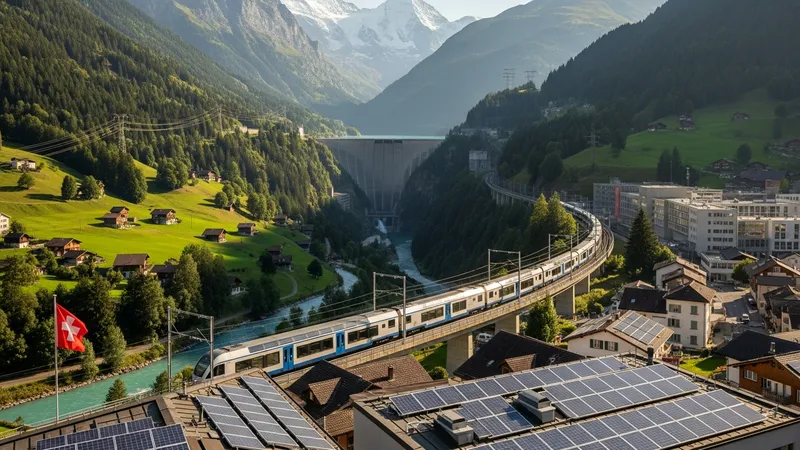
Energy-efficient transportation systems are widely utilized, with rail networks and public buses increasingly powered by electricity or hybrid systems. Switzerland continues to invest in electric vehicle charging infrastructure, facilitating greater adoption of electric mobility options. These efforts may reduce carbon emissions associated with passenger and freight transport.
Waste management and the circular economy also play a significant role in Swiss green technology initiatives. Systems are in place to sort, recycle, and reprocess materials such as glass, metals, plastics, and organic waste. The combination of strict regulatory oversight and public participation often supports progress in reducing landfill contributions and improving the lifecycle of consumer goods.
Smart grid technology is another area of development, allowing for efficient monitoring, load balancing, and integration of variable renewable energy sources. Companies and public agencies are collaborating on pilot programs that use digital platforms to autonomously adjust consumption, thereby better matching supply and demand in real time.
The adoption of green technologies in Switzerland may offer several ecological benefits, including reductions in greenhouse gas emissions and maintenance of natural resources. By prioritizing renewable energy and efficient waste management, Swiss cities and regions can foster urban environments with cleaner air and decreased noise pollution.
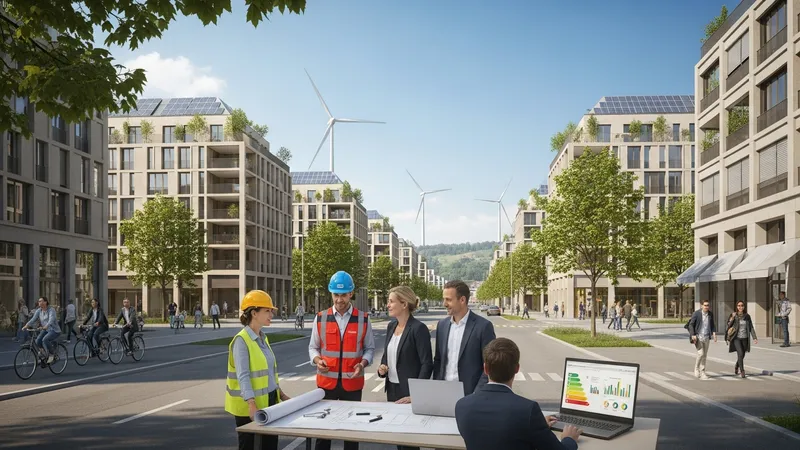
Economic considerations are frequently evaluated alongside environmental outcomes. Investments in green technologies may stimulate sectors such as construction, energy, and information technology, supporting workforce development and new business practices aligned with sustainability objectives.
However, practical challenges are often encountered. The initial costs for infrastructure upgrades—such as retrofitting grid systems or installing new solar arrays—can be significant. Regulatory requirements and permitting processes may require careful planning to ensure compliance and stakeholder alignment during implementation phases.
Technology integration in established urban and rural settings may pose logistical hurdles, especially when harmonizing new and existing systems. Ongoing research and pilot projects are intended to assess the scalability and reliability of different approaches, helping to inform gradual rollout of more advanced solutions across Switzerland.
Switzerland’s governance landscape is characterized by a combination of federal, cantonal, and municipal initiatives that frame the adoption of green technologies. Policies are enacted to set renewable energy targets, encourage research, and provide incentives for both industry and consumers to utilize sustainable solutions in various contexts.
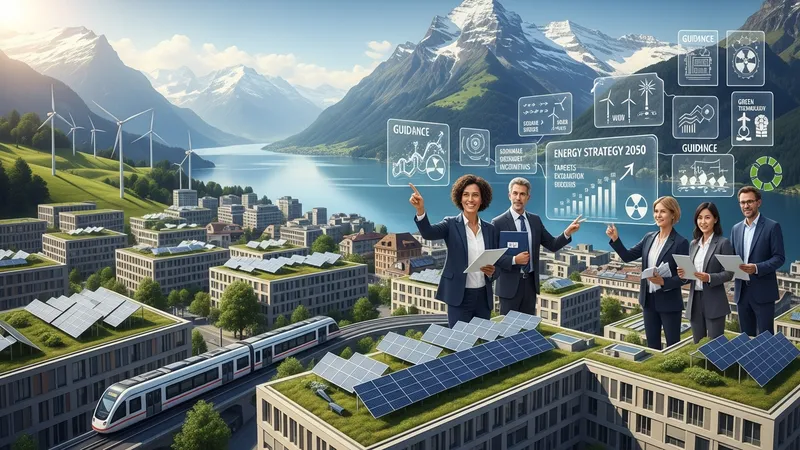
The Energy Strategy 2050 is a significant policy measure, aiming to reduce nuclear energy dependence while increasing the share of renewables. Specific programs often provide guidance on building standards, energy labeling, and subsidies for environmentally friendly retrofits, with information disseminated through official portals and agencies.
Collaboration among governmental bodies, academic institutions, and private sector stakeholders fosters a supportive ecosystem. Research funding, pilot demonstration projects, and educational campaigns are used to share innovations and broaden the impact of green technologies throughout the country.
Public awareness is encouraged via communication campaigns and community engagement. These efforts may help increase acceptance and user adoption of new technologies, as well as drive demand for sustainable products and practices that meet Switzerland’s environmental objectives.
Research continues to shape the future of green technologies in Switzerland. Emerging trends include further integration of artificial intelligence in energy systems for predictive maintenance and optimization, as well as development of smart materials in construction that offer better resource efficiency and insulation properties.
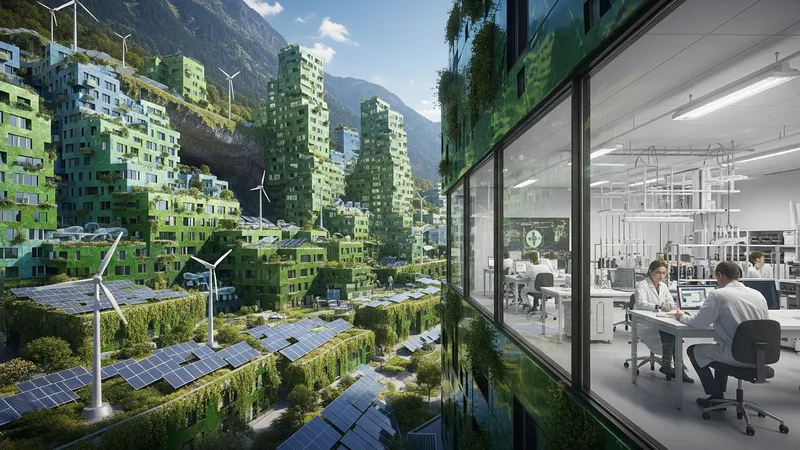
Carbon capture and utilization is another research area gaining attention. Swiss universities and startups are collaborating to investigate methods that could reduce industrial emissions. These projects typically rely on government and industry partnerships and international knowledge exchange to gauge feasibility and effectiveness.
Hydrogen infrastructure is under consideration as a potential energy carrier, particularly for freight mobility and heavy industry. Pilot programs are exploring the role of hydrogen production from renewable sources, alongside the distribution networks needed to support broader deployment.
As Switzerland moves forward with its sustainability agenda, a continued emphasis on interdisciplinary research, public–private collaboration, and adaptable policy frameworks can be observed. The evolving landscape indicates a measured approach to balance ecological stewardship with innovation in technology and infrastructure.