
Home automation systems refer to collections of connected devices, software, and controllers that coordinate various household functions. These systems often integrate lighting, security, climate regulation, and appliance management through wireless or wired networks. The goal is to provide streamlined home management and allow occupants to monitor, adjust, or schedule tasks such as lighting and temperature using central apps, voice control, or programmed routines.
In practice, these systems are built on a foundation of sensors and actuators that gather information and enact commands. Communication occurs over established wireless protocols like Wi-Fi, Zigbee, or Z-Wave, managed through a centralized hub or platform. This integration enables everyday activities to be automated, potentially enhancing convenience, resource efficiency, and security awareness throughout a residence.
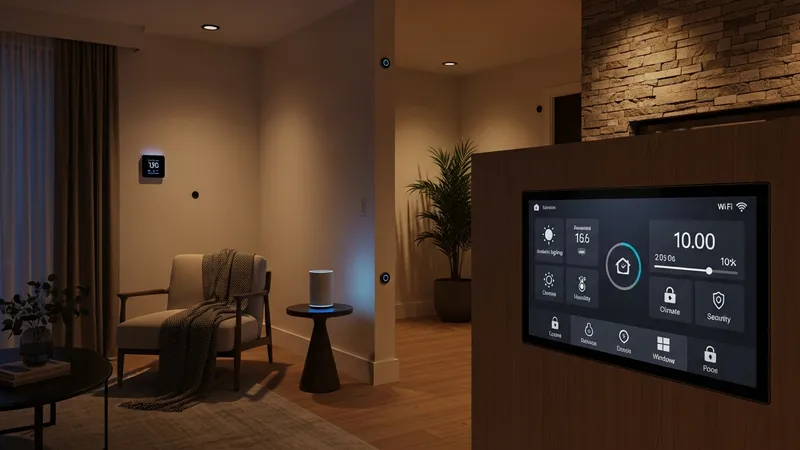
Many homeowners in the United States implement these systems in stages, focusing on areas of the home that may benefit most from automation, such as entrances or high-energy-use zones. Gradual adoption allows individuals to familiarize themselves with device operation and integration without requiring overhauls of existing infrastructure. Compatibility with major voice platforms, such as Amazon Alexa or Google Assistant, may also influence product selection.
Typical automation platforms provide central dashboards or mobile apps, presenting status updates and allowing users to create routines. For example, lights may be scheduled to turn on at sunset, or thermostats may adjust settings automatically when occupants leave. The breadth of device compatibility varies by platform; some systems are designed to support a wide array of manufacturer's products, while others prioritize proprietary integration.
As the market expands, smart home devices are often developed with enhanced privacy and security measures, such as encryption and customizable access controls. However, experts recommend that users configure strong passwords and regularly update software to reduce potential risks. Studies from U.S. organizations suggest adoption rates have steadily increased over the past five years, particularly among households seeking greater energy management or security awareness.
Home automation systems typically operate with minimal ongoing input, relying on programmed behaviors and learning algorithms. For instance, a smart thermostat may employ occupancy sensors to create more accurate temperature schedules. While these features can offer increased efficiency, manual overrides are typically available through accompanying apps or physical switches for flexibility.
In summary, the adoption of home automation technology involves integrating a variety of connected devices to manage everyday household functions. The next sections examine practical components and considerations in more detail.
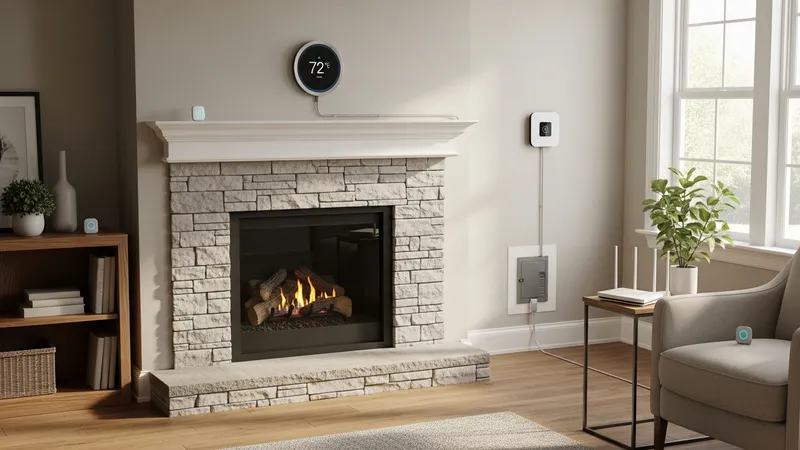
Core components of home automation systems in the United States generally include control hubs, sensors, and user interfaces. Hubs act as the central management points, enabling communication between various smart devices. Sensors—including those detecting motion, temperature, and light—play a crucial role in facilitating automated actions by supplying real-time information to the system’s controller.
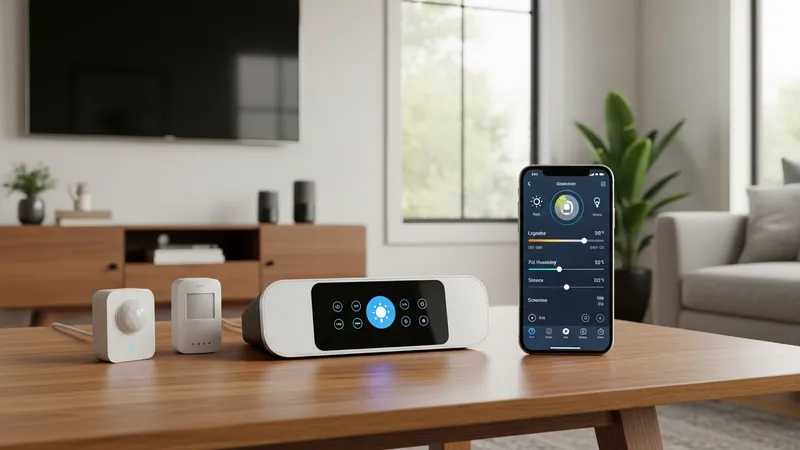
Features offered by these systems may vary widely but typically cover automated lighting control, scheduled device operation, security notifications, and climate regulation. Users may manage these features through mobile apps or dedicated touch panels situated within the home. Voice integration with devices like Amazon Alexa or Google Assistant frequently extends control convenience.
Device interoperability is a key consideration for U.S. consumers, as it impacts the range of products that can be consolidated under one platform. Some systems support a broad ecosystem by relying on open protocols, while others operate best within the manufacturer’s product line. This affects how new devices are added or integrated as technology evolves.
Password security, firmware updates, and user permission management are increasingly emphasized as fundamental features due to data privacy concerns. Leading manufacturers in the United States typically incorporate multi-factor authentication and regular patches, though users are advised to monitor security settings regularly. These safeguards aim to help reduce vulnerabilities in increasingly connected households.
Home automation devices in the United States are generally grouped into several categories: environmental controls (such as thermostats and lighting), security systems (cameras, sensors, locks), and entertainment (media controllers, smart speakers). These categories reflect the diverse needs and preferences of homeowners aiming to enhance or automate different facets of their daily routines.
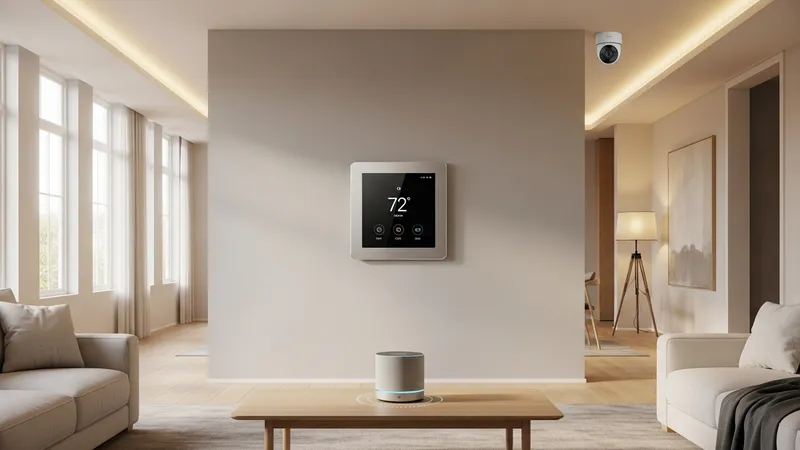
Integration methods can range from simple plug-and-play devices to more complex systems involving wired connections and professional installation. Wireless technologies dominate the U.S. market, with Wi-Fi, Zigbee, and Z-Wave being widely implemented for communication between sensors, hubs, and end-user devices. This supports flexibility in placement and future expansion.
Multi-device integration is often facilitated through platforms or ecosystems that act as intermediaries, allowing disparate products to communicate effectively. For instance, a homeowner in the United States might use a central hub or compatible mobile app to synchronize their smart locks, thermostats, and cameras, setting routines that link security modes to climate adjustments or lighting changes.
Over the past decade, many new products have been released with enhanced integration capabilities, including support for Matter, an interoperability standard adopted by several U.S. manufacturers. This trend may enable broader device compatibility and simpler onboarding, making it easier for homeowners to build comprehensive systems tailored to their evolving needs.
Data privacy and security are significant considerations for U.S. consumers adopting home automation systems. These platforms collect information such as occupancy, activity patterns, and usage data to enable automated features. To address concerns, manufacturers and service providers often implement encryption and customizable permissions frameworks, aiming to secure communication between devices and cloud platforms.
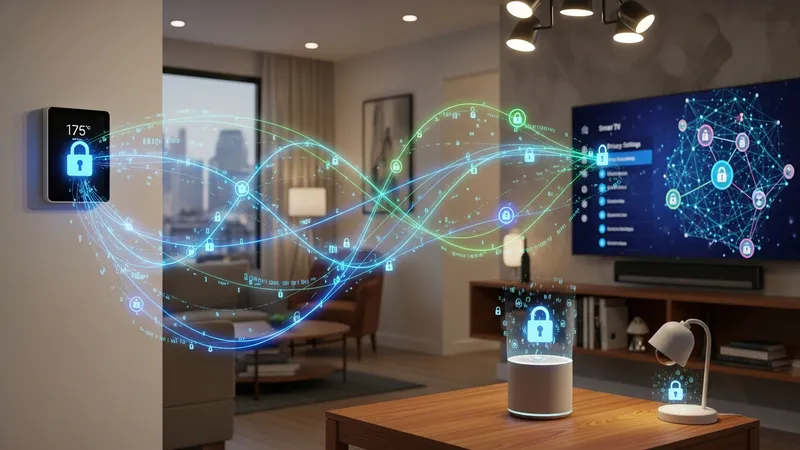
Industry guidelines from organizations like the Consumer Technology Association and the National Institute of Standards and Technology (NIST) inform many standard security practices in the United States. Common recommendations include the use of unique, strong passwords for each device, enabling two-factor authentication, and regularly updating software or firmware. These measures are intended to mitigate risks associated with unauthorized access or data breaches.
Homeowners may also encounter privacy choices within automation platforms, allowing them to limit certain types of data collection or to anonymize reported usage information. This can enhance user control over personal data, although policies vary by manufacturer and service provider. Reading privacy statements and reviewing permission settings is advised as part of system setup or maintenance.
Real-world instances have demonstrated both the value and challenges of maintaining privacy within connected environments. Reports from U.S. media and technology analysts indicate that, when properly configured and updated, home automation systems typically provide robust protections. However, continued vigilance regarding updates and policy changes remains critical for ongoing security awareness.
In the United States, homeowners planning to implement automation systems may evaluate compatibility with existing devices and home infrastructure. Wiring, internet bandwidth, and the placement of hubs or sensors can influence overall effectiveness. Consulting manufacturer documentation or certified installers may be helpful for more complex integrations, especially when working with legacy heating or electrical systems.
Another practical consideration is ongoing cost. While entry-level devices can be installed individually with modest upfront investment, more advanced systems incorporating professional monitoring or extended warranties may involve additional monthly fees. Consumers typically compare features, local support options, and software update policies before expanding their systems to new areas of the home.
Accessibility features are often highlighted in U.S. product literature to support individuals with mobility or sensory limitations. Voice control, programmable routines, and remote monitoring capabilities may enhance system usability for a wider range of residents. This inclusivity trend is reflected in device design and user interface improvements across many U.S.-based manufacturers.
Looking forward, ongoing advances in artificial intelligence and machine learning may increase automation system adaptability and accuracy over time. U.S. research and consumer demand continue to shape the evolution of smart home technologies, with an emphasis on energy efficiency, security, and user privacy. Homeowners typically monitor industry updates for new device releases and evolving integration standards.