
Home healthcare services encompass a range of support delivered to individuals in their own residences. These services are designed to meet clinical, therapeutic, and daily living needs, often coordinated by licensed professionals such as nurses, therapists, or home health aides. The goal is typically to promote comfort, maintain health, and enable greater independence for those experiencing chronic health conditions, recovering from procedures, or needing assistance with routine activities.
The scope of home healthcare services often includes skilled nursing care, physical or occupational therapy, and personal support for bathing or medication management. Services are typically tailored following physician recommendations or care plans, and delivery is regulated by both federal and state standards in the United States. This model is utilized in many situations where hospital-level care is not required, yet consistent monitoring and assistance are necessary for safety and well-being.

Home healthcare may support a range of individuals, from older adults recovering after hospital stays to those managing long-term illnesses or disabilities. Payment options often include Medicare, Medicaid, private insurance, or out-of-pocket, with eligibility and coverage typically determined by medical necessity and certification by a healthcare provider.
Unlike institutional care settings, home healthcare can provide services in familiar environments, which may foster psychological comfort and extended independence. The approach also allows for personalized plans and flexible schedules that adapt to evolving health needs, often involving family members in decision-making.
Regulatory frameworks in the United States set quality standards for home health agencies, including licensing, staff credentialing, and patient safety protocols. Oversight by organizations such as the Centers for Medicare & Medicaid Services (CMS) helps maintain consistency and accountability in the sector. These guidelines may change periodically, so staying informed is recommended for both providers and recipients.
Technological advances have expanded what can be managed at home, enabling remote monitoring and virtual consultations. As a result, conditions such as diabetes or congestive heart failure are frequently monitored through digital tools, allowing adjustments to care without the need for hospital readmission in many scenarios.
In summary, home healthcare services in the United States are multifaceted and guided by professional standards to address medical, rehabilitative, and daily living needs. They may offer notable flexibility and comfort but depend on strict oversight and individualized planning. The next sections examine practical components and considerations in more detail.
Home healthcare services in the United States typically cover a broad range of needs, from medical management to support for daily activities. Flexibility in service plans allows patients to receive specific care based on their individual requirements and physician-directed protocols. This personalized approach accommodates varying medical conditions, recovery goals, and family involvement, supporting continuity in routines and care coordination across disciplines.

Customization often begins with a comprehensive assessment by a healthcare professional, which determines eligibility for certain services and shapes the patient’s care plan. Recommendations may include the frequency of nursing visits, required therapies, or the level of assistance with self-care tasks. The adaptability of home healthcare can be an important consideration for families seeking to address evolving health needs in a non-institutional setting.
Technological integration is increasingly common, enabling remote health monitoring and communication with healthcare providers. Devices such as glucose monitors or telehealth platforms can extend a professional’s reach, potentially reducing hospital admissions or facilitating early intervention. These tools are governed by privacy and security regulations to safeguard health information.
Coordination among multidisciplinary teams is central to effective home healthcare delivery. Communication is maintained through shared records, regular care plan reviews, and collaboration with primary physicians or specialists. This framework enhances consistency and may support prompt adjustments as conditions change, reinforcing the individualized nature of these services.
Receiving care at home can offer psychological benefits, as familiarity with one’s environment often leads to greater comfort and reduced stress. Individuals may prefer home healthcare settings because they enable the continuation of established routines, which may, in turn, promote adherence to treatment plans and a sense of stability. This personal context can also facilitate engagement from family or informal caregivers.

Continuity of care is an important advantage of the home healthcare model. Patients can interact with a stable care team that understands their history, preferences, and support networks. Frequent coordination among nurses, therapists, and aides enables responsive updates to care plans, which may help address emerging needs before they require more intensive interventions.
Cost considerations in the United States can influence the selection of home healthcare over facility-based alternatives. While expenses vary according to service intensity and geographic region, some individuals may find that home care reduces the need for extended hospital or skilled nursing stays, particularly when covered by Medicare or private insurance. For verified details on typical costs and eligibility, consult the U.S. Long-Term Care resource.
Home healthcare services must adhere to national and state-level regulations regarding safety, staffing, and quality assurance. Agencies are frequently audited to ensure compliance, and consumers may review publicly reported metrics through the Medicare Care Compare tool. These measures aim to support transparency and informed decision-making in selecting a home care provider.
Eligibility for home healthcare services in the United States is generally determined by a combination of medical need, physician certification, and the individual’s ability to participate safely in care at home. Medicare typically outlines criteria requiring that the patient be homebound and in need of intermittent skilled care. Private insurance plans may have different qualifications, but most align closely with federal definitions.

Coverage for home healthcare can be structured under Medicare Part A or B, Medicaid, private insurance, or direct payment. The scope of covered services, such as skilled nursing and therapy, depends on medical necessity and approved provider networks. Out-of-pocket costs, coinsurance, or deductible amounts may apply. Detailed guidance is found on the Medicare Costs overview and insurer-specific guidelines.
Regulatory oversight in the United States involves both federal and state agencies. The Centers for Medicare & Medicaid Services (CMS) establish conditions of participation, while state health departments may enforce additional requirements. Accreditation bodies like The Joint Commission also evaluate and certify compliance with quality benchmarks, aiming to protect patient safety and well-being.
Routine audits, inspections, and consumer feedback contribute to accountability in this sector. Public resources, such as the CMS website, provide access to agency performance data and regulatory updates. These measures encourage continuous review and adaptation within the evolving landscape of home healthcare.
Home healthcare services in the United States face several challenges, including staffing shortages, regional disparities in access, and balancing regulatory compliance with individual preferences. Workforce demand is expected to rise alongside an aging population, potentially leading to increased reliance on technology and new care delivery models. Agencies may adopt flexible scheduling or expand training to address these needs.
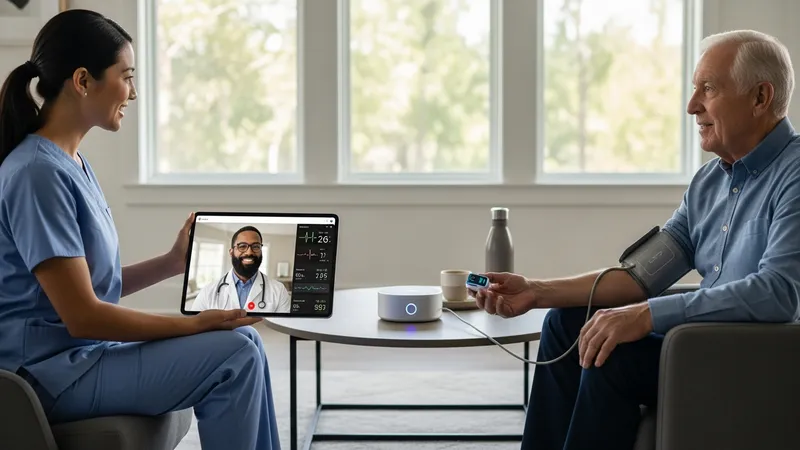
Trends in home healthcare are shaped by advancements in medical devices, telehealth, and integrated care platforms. Electronic health records, real-time monitoring, and virtual visits may enhance service efficiency and data accuracy. Current policy initiatives also aim to streamline reimbursement and promote coordination among home-based and primary care providers, as noted in government and industry reports.
Emerging approaches often incorporate family and informal caregivers as integral support partners. Organizations offer guidance and educational resources to help non-professionals navigate medication management, fall prevention, and chronic disease monitoring at home. These efforts may supplement services provided by licensed professionals and reinforce the broader continuity of care model.
Looking ahead, the future of home healthcare appears closely linked to demographic shifts and innovations in medical practice. Initiatives focused on quality measurement, workforce development, and equitable access are likely to influence how services evolve. Continued monitoring of outcomes, patient satisfaction, and regulatory adaptations will shape best practices and system sustainability over time.