
Residential hot water systems that develop leaks or deliver uneven temperature often require a methodical assessment of their components and operating conditions. Repairs typically focus on locating the source of fluid escape—such as joints, valves, or the tank body—and identifying electrical or fuel-delivery elements that influence water temperature. A clear diagnostic approach separates visible plumbing faults from internal component failures, and frames subsequent interventions as either targeted part replacement, routine maintenance, or larger system work when the tank or heat exchanger is compromised.
Understanding the relationships among corrosion, pressure, sediment, and control devices can clarify why a system leaks or why output varies from tap to tap. For example, mineral accumulation can insulate heating elements and shorten their effective life, while rusted fittings can allow slow seepage. Likewise, thermostat drift or a failing temperature-and-pressure component can cause intermittent temperature changes. Observing patterns—time of day, which taps are affected, whether the issue follows recent work—helps narrow likely causes before any repair steps are taken.
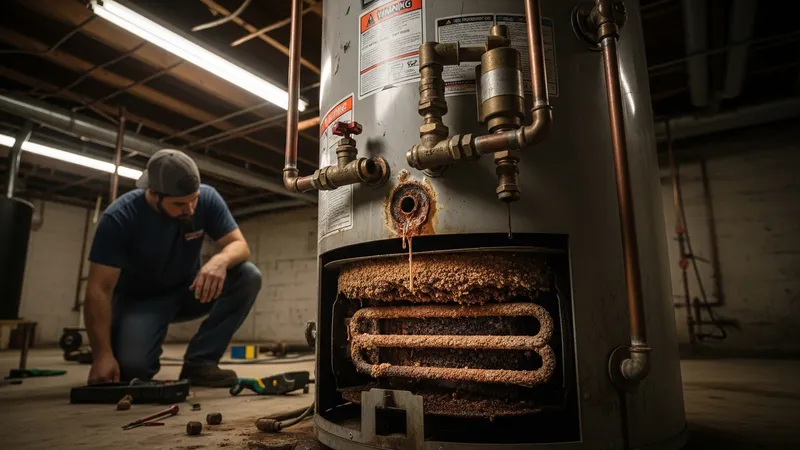
Corrosion and deposit-related degradation often contribute to both leaks and temperature irregularities. Corrosion can form at weak points on tanks or fittings and may be visible as rust stains or pitting; deposits tend to collect near the bottom of tanks and around heating elements. These processes may progress slowly, so routine observation and documentation of any new wetness, stains, or noises can provide diagnostic clues. When diagnosing, isolating the system (shutting off water or power) before inspecting pressurized components is a typical safety precaution to reduce unintended water flow or electrical hazards.
Electrical and control issues commonly explain inconsistent hot water delivery in electric systems. Heating elements can develop hot spots or open circuits, and thermostats may drift from setpoints with age. In gas-fired systems, burner performance, pilot stability, or blocked vents can affect heat transfer to the water. Testing components with a multimeter, observing burner flame behavior, and comparing inlet and outlet temperatures at the tank can help identify which subsystem may be responsible for temperature variation. Such diagnostic steps may often be performed by informed homeowners or service technicians using basic tools and measurement techniques.
Valve-related leaks and pressure problems frequently stem from mechanical wear or improper settings. The temperature-and-pressure relief valve is designed to discharge under overpressure or overtemperature conditions and may drip if partially stuck or if system pressure exceeds expected ranges. Supply-line fittings and drain valves may loosen over time or develop worn threads and seals. Addressing these issues typically involves tightening, replacing seals or washers, or installing new valves when components show signs of material failure. Accurate assessment requires observing the leak source during both idle and operational states.
Maintenance routines such as periodic flushing, checking sacrificial anode rods, and inspecting external fittings often reduce the rate at which leaks or temperature inconsistencies develop. Flushing may dislodge sediment that otherwise insulates elements or abrades tank linings; replacing anode rods can slow corrosion within steel tanks. These measures may extend component life and stabilize performance patterns, although they may not reverse advanced corrosion or mechanical failure. Careful records of service dates and observed conditions can inform decisions about more extensive repairs or system replacement over time.
In summary, systematic evaluation of plumbing connections, valves, heating elements, controls, and internal deposits can clarify why a water heater leaks or provides uneven hot water. Early inspection often reveals manageable issues such as loose fittings or sediment accumulation; more advanced signs like widespread corrosion or repeated control failures indicate broader repair considerations. The next sections examine practical components and considerations in more detail.
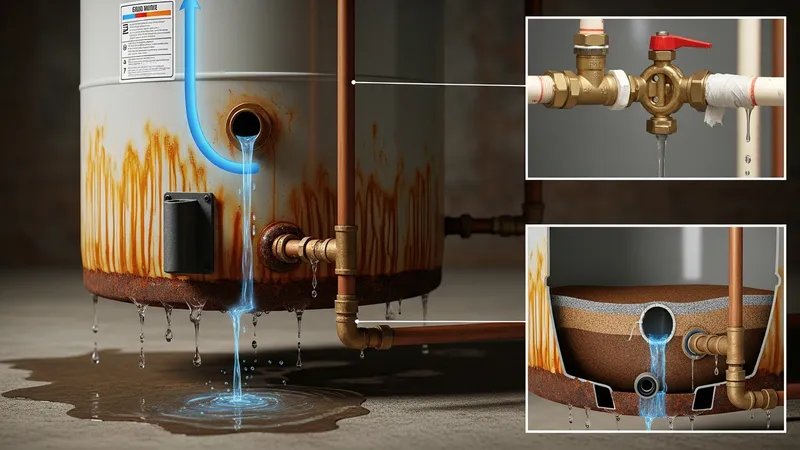
Visible leaks often originate at accessible plumbing fittings and valves before they appear at the tank body. Compression fittings, union joints, and threaded pipe connections may develop weeps as sealant degrades or fittings loosen from thermal cycling. Drain valves and inlet/outlet connections also may leak when internal seals wear. When a leak is present near a connection, the water may track along the exterior and make the true origin ambiguous, so isolating sections and rechecking after drying can help identify the primary source. These plumbing-related leaks can sometimes coincide with localized temperature effects if cold-water intrusion occurs near the outlet.
The tank exterior itself can indicate internal problems when corrosion appears as rust streaks or bulging. Corrosion that penetrates the tank shell usually produces consistent leakage and often correlates with age and water chemistry. Internally, sediment settles and can accelerate corrosion at the bottom, which may present as pooled moisture at tank base or persistent puddles despite valve-tightening efforts. While minor fitting leaks may be repairable with new seals or tightened fittings, tank body leakage from corrosion typically signals a more significant failure that can affect temperature regulation and safety systems.
Valves, including the temperature-and-pressure relief device, may discharge intermittently under certain pressure or temperature conditions and present as drip locations near the tank. A valve that opens regularly could indicate a pressure management issue elsewhere in the plumbing system or a malpositioned thermostat producing higher-than-intended water temperature. Intermittent discharge differs from steady leakage and often requires assessing both plumbing pressure (e.g., via inlet pressure checks) and thermostat settings. Documenting when discharge occurs—after long draws, during heating cycles, or at rest—provides useful context for diagnosis.
When investigating leaks, consider ambient factors that may mask or mimic tank problems. Condensation on tank surfaces in humid environments can appear like leakage but typically disappears when the tank warms. Likewise, leaks from fixtures above or connected pipes may drip onto tank areas and be misinterpreted as tank-origin leaks. Careful drying and repeated observation during a heating cycle often help differentiate condensation or external sources from genuine tank or fitting failures. These diagnostic distinctions are useful in planning whether targeted component servicing is likely to resolve the problem.
Variability in delivered hot water temperature can trace to heating elements, thermostats, or sediment that affects heat transfer. In electric units, two elements may operate sequentially; a failed upper or lower element can reduce capacity and create runs of lukewarm water. Thermostats may drift, causing incorrect cycling. In gas units, burner issues, faulty thermocouples, or restricted flues can reduce heat input. Sediment layers act as insulation around heating elements or the tank floor, requiring longer heat-up periods and producing inconsistent temperatures at taps served by different branches of the system.
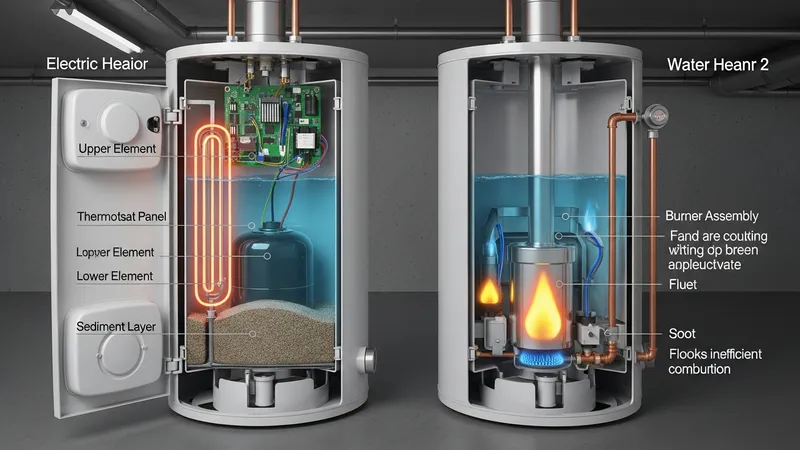
Diagnostic methods typically include measuring temperature at the tank outlet and at affected fixtures, testing element continuity with a multimeter, and observing control response. For electric systems, isolating and activating individual elements can reveal whether one element is failing. In gas systems, observing burner flame shape, color, and stability while measuring exhaust temperatures can indicate combustion or heat-exchange problems. These steps often clarify whether the issue lies with the heat source, the controls, or a downstream distribution problem before parts replacement is considered.
Dip tube integrity also factors into perceived temperature stability. A degraded dip tube that mixes incoming cold water too close to the outlet can reduce delivered hot temperature even when the tank is producing adequate hot water. This condition may produce cold returns at top taps while lower taps still receive hotter supply during low-demand periods. Inspecting or testing dip tube function by tracing cold-water inlet routing and monitoring temperature stratification in the tank can indicate whether replacement of the dip tube or flow-pattern adjustments are likely to help.
Frequency of temperature issues often correlates with water quality and usage patterns. In areas with harder water, mineral buildup can accumulate more rapidly, leading to more frequent heating-element failures and the need for periodic flushing. Systems serving multi-bath households may experience more pronounced temperature dips during simultaneous draws. Understanding typical operating patterns and local water characteristics helps frame the likely causes and informs whether maintenance, component repair, or system adjustments should be prioritized as next steps.
Regular maintenance may reduce the incidence of both leaks and temperature irregularities by addressing the common precursors of component failure. Flushing tanks periodically to remove settled mineral deposits is a commonly advised practice; frequency may depend on water hardness and usage but often ranges from annual to multi-year intervals. Inspecting sacrificial anode rods and replacing them when significantly depleted can slow internal corrosion that ultimately leads to tank leaks. Visual checks of fittings, valves, and external components may reveal early wear that can be addressed before leaks develop.
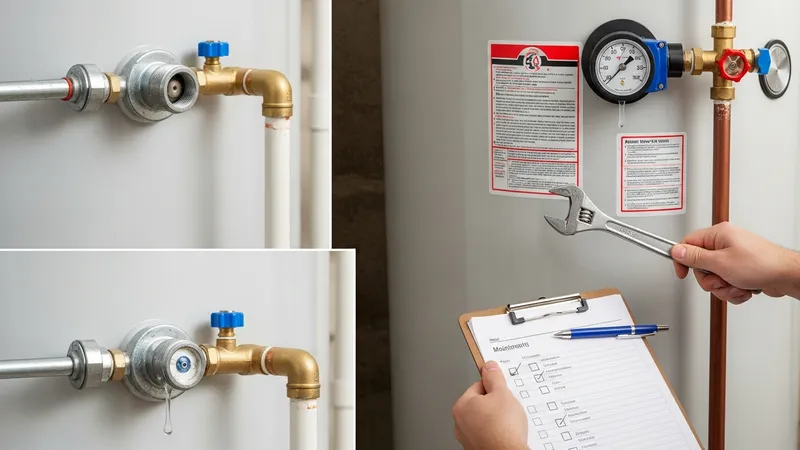
Valve and pressure management maintenance is another consideration. Checking the operation of the temperature-and-pressure relief valve ensures it functions properly if overpressure or overtemperature occurs; a sticking valve may drip or fail to open when needed. Additionally, monitoring supply pressure and ensuring expansion controls are present in closed systems can limit stress on fittings and valves. Documenting maintenance actions and observed conditions over time can help detect accelerating issues before they present as sudden leaks or loss of hot water capacity.
When flushing or servicing, consider safety and sequencing to avoid unintended outcomes. Draining a tank requires adequate drain capacity and awareness of water temperature; in systems with electrical elements, power should typically be isolated to avoid element burnout when the tank is empty. Reassembly should ensure correct torque on fittings and proper seating of seals. For those less familiar with these procedures, understanding the typical steps and common pitfalls assists in communicating effectively with a technician or in performing basic maintenance with appropriate caution.
Maintenance can extend component life but may not reverse advanced degradation. Heavy sediment load or severe corrosion may have already compromised elements or the tank shell, and maintenance in such cases may improve short-term performance without addressing the fundamental failure. Recognizing the limits of maintenance—by noting recurrent leaks, frequent valve discharge, or repeated element replacements—helps frame longer-term planning for more comprehensive repair or replacement when appropriate.
Repair decisions typically weigh the scale of the problem, component accessibility, system age, and safety implications. Small leaks at accessible fittings may be repairable with seal replacement or tightening, while tank-shell leaks from corrosion generally indicate more extensive intervention. Electrical repairs involving heating elements or thermostats often require isolating power and confirming proper wiring; gas-related repairs involve burner inspection, gas-valve operation checks, and ensuring proper venting. In all cases, safety steps such as de-energizing circuits and relieving pressure before opening components are relevant considerations.
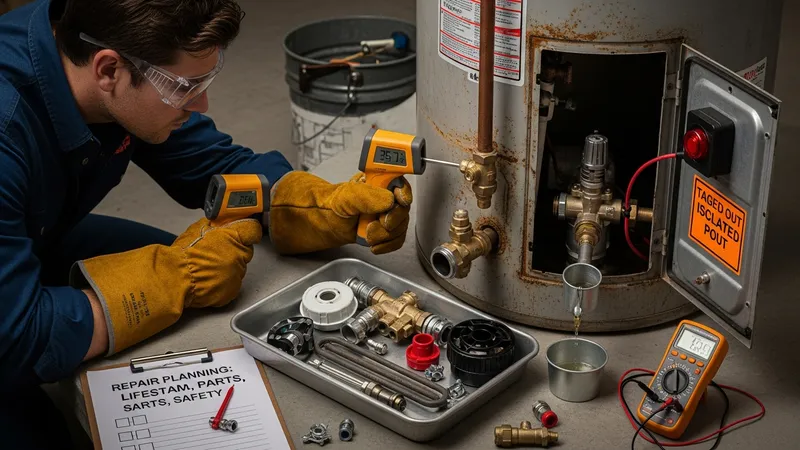
Estimating repair complexity can incorporate typical lifespan ranges for water heaters and their parts. Many conventional storage tanks may often operate for a decade or more under favorable conditions, while components such as heating elements, anode rods, and valves may require attention earlier. Repair planning may consider the remaining expected service life of the entire unit, the availability and cost of replacement parts, and whether repeated component failures suggest underlying system decline. These factors help inform whether part-level repair or system replacement is a practical path.
Permits, local codes, and disposal considerations also relate to repair planning in many jurisdictions. In some areas, certain types of gas or electrical work may require licensed professionals or inspection before a system is returned to service. Proper disposal of removed tanks, cartridges, or components containing hazardous materials should follow local regulations. Factoring these administrative and environmental considerations into repair planning can influence timelines and costs and helps ensure repairs conform to applicable safety and regulatory expectations.
When safety concerns are present—such as active gas leaks, electrical faults producing arcing, or severe tank corrosion producing rapid leakage—professional assessment may be prudent. Professional technicians can perform pressure tests, combustion analysis, and electrical diagnostics that require specialized equipment. Presenting a clear record of observed symptoms, maintenance history, and any prior repairs can assist a professional in making an informed assessment of whether targeted repairs will suffice or whether broader system replacement is advisable.