
Modern manufacturing processes frequently depend on the integration of industrial machines to carry out a wide range of repetitive or precision-driven tasks. These machines may be designed for functions such as handling materials, performing assembly, and enabling accurate operations within production environments. Their utilization is observed widely across both large-scale factories and smaller production sites, reflecting their adaptability and role in enhancing efficiency while minimizing manual intervention.
In practice, industrial machines encompass both automated and semi-automated systems. Examples include robotics, conveyor belts, and computer-numerically-controlled (CNC) machine tools. The evolution of these technologies has led to refined capabilities, such as precise control over process variables and the ability to work continuously with minimal interruptions. While there is significant potential for enhanced productivity, outcomes can vary depending on the integration level, staff proficiency, and the complexity of manufacturing requirements.
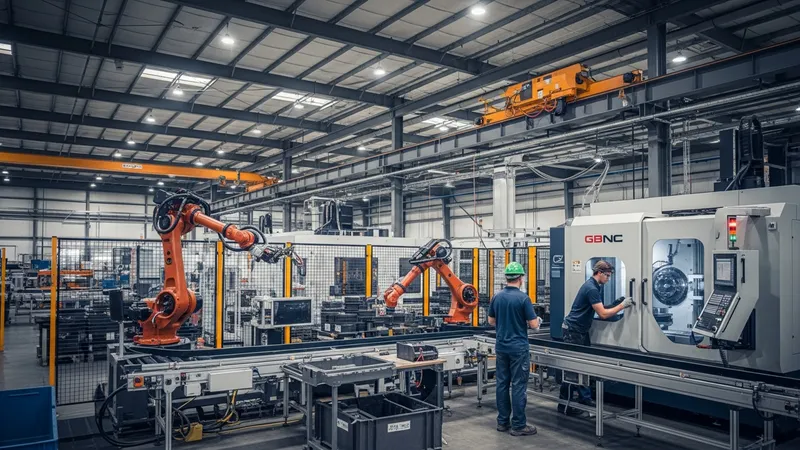
Robotic arms have become commonly referenced when discussing automation in manufacturing environments. These devices can undertake tasks that may be hazardous or require fine dexterity and can be programmed to repeatedly follow exact sequences. Their integration typically aims to coordinate alongside human workers, offering support in areas such as part handling or automated screwdriving tasks.
Automated conveyor systems play an important role in ensuring consistent material flow throughout the production process. By reducing the need for manual loading and unloading, these machines can help in maintaining a steady pace on the manufacturing floor. Their configuration is highly adaptable, with systems that may include straight belts, curved paths, or modular sections to fit specific workflow requirements.
CNC machines are widely used for their ability to provide accurate and repeatable movements when machining metal, composites, or plastics. They operate through digital instructions, which may lead to improved dimensional accuracy when compared to traditional manual machining. The speed and repeatability of CNC operations could contribute to higher yields in precision parts manufacturing.
Each type of industrial machine requires consideration of safety protocols, ongoing maintenance, and the training of operators. Many facilities develop protocols that include regular inspections, emergency stops, and personal protective equipment to align with local occupational safety guidelines. The selection and configuration of industrial machines are often based on production goals, cost considerations, and the degree of customization required for specific manufacturing tasks.
In summary, industrial machines serve as foundational elements in the transformation of raw materials into finished products. Their selective integration can often bring improvements in consistency and throughput. The next sections examine practical components and considerations in more detail.
Manufacturing facilities commonly utilize various types of industrial machines, each tailored to specific functions within the production cycle. Robotic arms are often deployed for repetitive or potentially hazardous assembly activities. These machines can be combined with sensor systems to adapt to changes in product configuration, offering flexibility in operations. Over time, developments in robotics have promoted integration with human workers through collaborative (cobot) solutions.
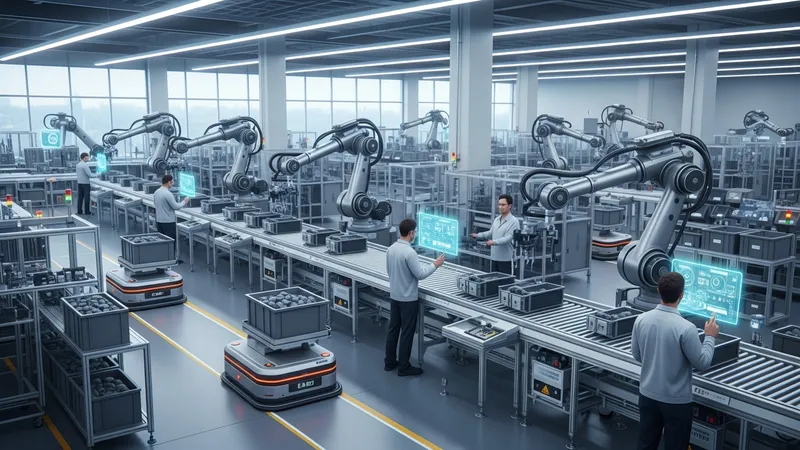
Automated conveyor systems are integral to managing the swift movement of materials and products through different stages of the manufacturing process. Their length, configuration, and load-bearing capacity may vary depending on facility size and production volume. Implementation of conveyors often leads to reduced manual handling and improved workplace ergonomics, which are considered important factors for sustained operations.
CNC machines represent another essential class in manufacturing, enabling programmed control over cutting, drilling, and shaping. The software-driven aspect allows quick adaptation to new production specifications, supporting both prototyping and mass production workflows. Facilities that utilize CNC machines may experience reduced material waste due to precise control of cutting paths.
In some cases, these different machine types operate in tandem to enable efficient production lines. For example, materials may be shaped on a CNC machine, transferred via conveyors, and assembled automatically by robotic arms. This interconnected approach is often seen in sectors such as electronics, automotive, and consumer products, where consistency and scale are priorities.
Many modern industrial machines incorporate advanced automation and control systems to enhance reliability and process monitoring. Programmable logic controllers (PLCs) are central to this development, providing real-time decision-making and coordination among equipment. The use of sensors and feedback mechanisms can assist in maintaining quality and identifying process variations before they impact output.
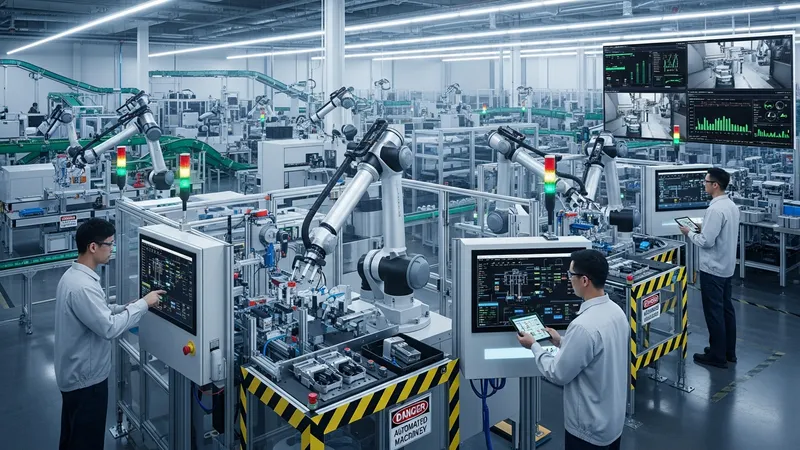
In robotic installations, motion controllers define precise pathways, speeds, and manipulation points for mechanical arms during assembly. Safety interlocks and vision systems may be integrated to detect obstacles or ensure alignment with specified quality standards. As a result, operators may experience increased confidence in process repeatability, though ongoing supervision and calibration remain necessary.
Automation within conveyor systems may include variable speed controls and automated sorting stations. These features enable dynamic adjustment of transport rates based on fluctuations in production demand. Monitoring tools can be used to generate real-time statistics, allowing operational adjustments such as prioritizing high-volume products or rerouting for inspection as needed.
The adoption of computer-controlled machining offers manufacturers the ability to standardize output and adapt to complex part geometries. Digital interfaces allow programming of intricate shapes and dimensions with high consistency. While initial setup may require careful tuning of system parameters, the long-term benefits often include repeatable performance in component manufacturing.
The successful operation of industrial machines requires careful attention to safety, regulatory compliance, and routine maintenance. Facilities often establish protocols aligned with national and international safety standards, including the use of physical barriers, emergency stops, and regular machine audits. Incorporating safety sensors and lockout systems helps protect employees from unintentional machinery activation.
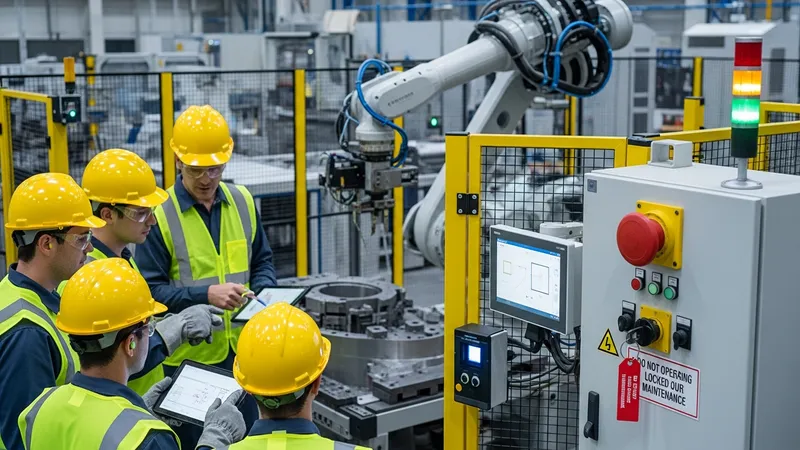
Training for personnel working with industrial machines is typically a persistent priority. Many organizations design comprehensive modules covering machine operation, emergency response procedures, and preventive maintenance schedules. These initiatives aim to reduce the likelihood of equipment malfunction or workplace injury and to support consistent operations.
Maintenance strategies may include scheduled inspections, lubrication, and periodic replacement of critical components. Predictive maintenance techniques—such as condition monitoring via sensors—are being increasingly adopted, as they enable early detection of wear and potential system faults. This approach could lead to minimized downtime and extended equipment lifespans.
Regulatory considerations also play a role, requiring manufacturers to maintain documentation and certifications for machine operation. Regular audits may be conducted by industry authorities to verify adherence to safety and environmental standards. Compliance with these regulations is regarded as essential for maintaining operational licenses and minimizing legal risks.
Industrial machines continue to evolve, incorporating smart technologies that may offer greater connectivity and adaptability. Developments in artificial intelligence and machine learning are enabling automated systems to optimize processes by analyzing real-time data. This shift toward “smart” manufacturing is often termed Industry 4.0 and is characterized by the integration of digital platforms and communication networks across factory environments.
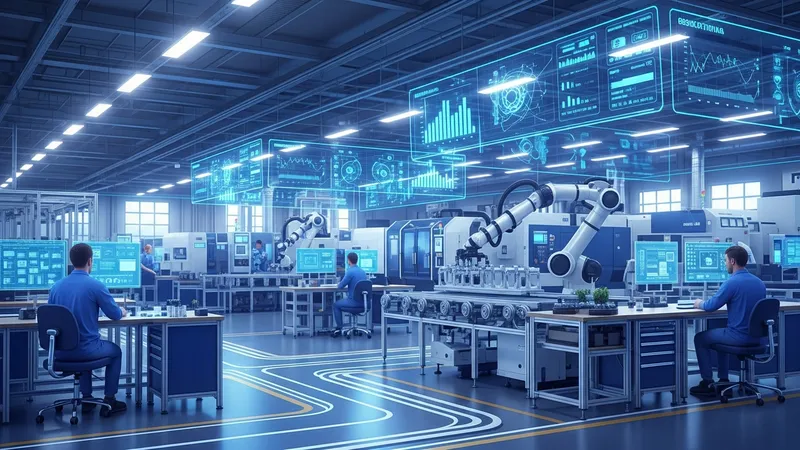
Collaborative robots, or cobots, are being introduced to perform tasks alongside human workers while supporting flexibility in production lines. With built-in safety features, these robots are suited for environments where workflows may change frequently or require human oversight. Their adjustable programming could make them suitable for short production runs or diverse product lines.
Sustainable manufacturing is another area shaping future use of industrial machines. There is increasing interest in equipment that supports energy efficiency, resource optimization, and lifecycle tracking of manufactured goods. Companies may explore options for machines that permit real-time monitoring of energy usage or easily adapt to renewable energy integration.
Despite ongoing innovations, successful adoption of new industrial machinery technologies depends on workforce readiness, supportive infrastructure, and continuous process evaluation. Anticipated benefits such as increased productivity and flexibility are typically realized when investments are matched by adequate training and process reengineering. As developments continue, manufacturing facilities are likely to consider both operational and strategic factors in their decision-making.