
Choosing clinical devices for use in hospitals, clinics, or outpatient facilities involves evaluating multiple technical and operational aspects. Decision-makers typically assess how a device will support specific clinical workflows, which patient populations it will serve, and how it interacts with existing systems. Important technical dimensions often include accuracy, reliability, user interface design, and compatibility with electronic records. Operational dimensions commonly considered are maintenance needs, staff training requirements, procurement timelines, and vendor support models. Framing selection around both clinical function and practical use helps teams align device features with day-to-day service delivery.
A thorough selection process also considers regulatory status, quality assurance, and documented performance in similar settings. Devices may differ in terms of required calibration, consumables, and consumable costs, which can influence total cost of ownership. Usability testing and clinician input often inform whether a device integrates smoothly into care pathways or introduces workflow friction. Risk assessment procedures may identify failure modes and maintenance contingencies that affect procurement timing. These elements together create a structured basis for comparing options objectively.
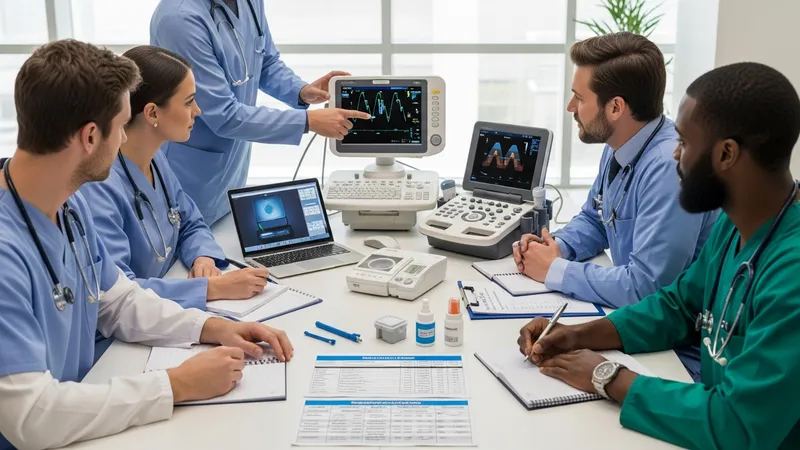
Comparing these device categories often requires a common evaluation framework so that clinical teams and procurement staff can weigh trade-offs consistently. Frameworks may include clinical suitability, technical specifications, safety features, interoperability, and service arrangements. Scoring systems can be used to make comparisons more transparent, assigning relative weights to clinical impact, lifecycle cost, and maintainability. Where possible, pilot evaluations or trials in a controlled clinical area may be arranged to observe real-world usability and to collect clinician feedback before full-scale acquisition decisions are made.
Regulatory and quality considerations typically influence device selection in multiple ways. Devices cleared or certified by recognised regulators and conforming to established quality standards often come with documented testing and traceability records, which may reduce procurement risk. Documentation of sterilisation, calibration procedures, and electrical safety testing may be requested during evaluation. Procurement teams frequently review post-market surveillance information and incident reports to understand typical failure modes and necessary mitigation steps, acknowledging that such reports may indicate patterns rather than guarantees.
Maintenance and lifecycle planning frequently affect long-term value assessments. Equipment maintenance schedules, availability of replacement parts, vendor or third-party service options, and expected useful life may influence total cost of ownership. Typical patterns show that service and consumables can represent a substantial portion of ongoing costs, and planning for periodic preventive maintenance may reduce unscheduled downtime. Warranty terms and extended service agreements can be compared cautiously, understanding that they may vary in coverage and response time depending on provider and location.
Training, user competency, and human factors play a central role in determining whether a device will function effectively in routine care. The complexity of device interfaces, availability of local training resources, and alignment with existing clinical protocols may determine the time needed for staff to use new devices safely. Simulation or stepwise introduction can reduce disruption. Documentation quality, availability of quick-reference guides, and language options are practical attributes often reviewed to support effective adoption and to lower the risk of misuse.
In summary, selecting clinical devices benefits from a multi-dimensional approach that connects clinical needs, technical performance, regulatory status, and operational realities. Evaluations that incorporate pilot testing, transparent scoring, and lifecycle cost projections may help teams compare options without assuming absolute outcomes. The next sections examine practical components and considerations in more detail.
Clinical requirements often drive the initial narrowing of device options by defining what functions are essential for patient care. For example, when choosing monitoring equipment, teams typically specify which vital signs, waveform accuracy, or alarm thresholds are clinically necessary. For infusion devices, required dosing accuracy and compatibility with specific medication protocols may be primary filters. Imaging equipment selection may focus on resolution, portability, or radiation shielding needs. Clarifying clinical endpoints and typical use scenarios can help ensure device capabilities align with intended patient care tasks rather than peripheral features.
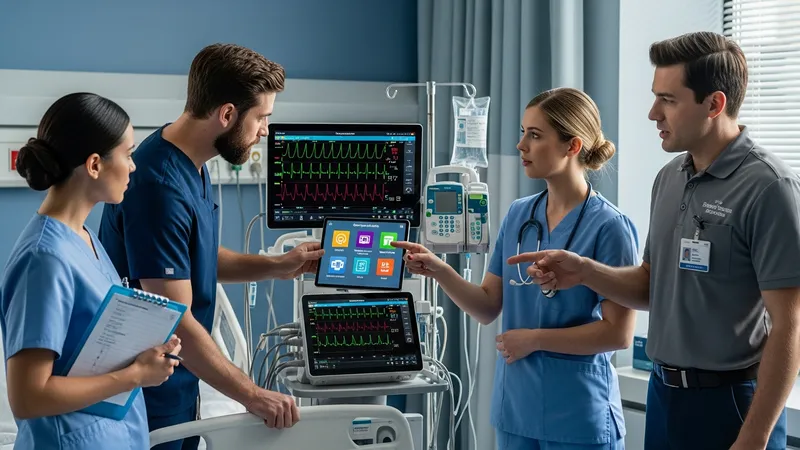
Functionality assessments typically examine both primary capabilities and secondary features that affect usability. Clinicians may evaluate whether data export formats are compatible with electronic health records, whether alarms are configurable to reduce nuisance alerts, and whether the device supports clinician workflows such as mobility between wards. Devices that allow customization of user profiles or integration with clinical decision support tools may offer flexibility, but these features also introduce additional configuration and governance requirements that should be considered in planning.
When assessing suitability for different clinical areas, teams often consider environmental constraints such as space, power availability, and infection control needs. Portable monitors or handheld imaging units may be preferred in emergency or ward-based care due to mobility, whereas fixed installations may be acceptable in dedicated imaging suites. Infection control features, like smooth surfaces for disinfection or disposable components, may affect selection for high-acuity or isolation areas. These practical constraints can influence which devices prove operationally feasible in specific settings.
Clinical input is commonly formalised through multidisciplinary committees or user group testing to capture a range of perspectives. Structured trials or staged rollouts may reveal workflow impacts and unanticipated user requirements. Collecting objective data during trials—such as setup time, error rates, or user satisfaction metrics—can support evidence-based comparisons. These data-driven observations may be used alongside technical specifications to reach more balanced decisions about which devices are most appropriate for particular clinical contexts.
Safety and compliance considerations frequently occupy a central role in device evaluation. Decision-makers often verify regulatory approvals or certifications that apply in their region, review quality management documentation, and request device testing records. Safety features such as alarm redundancy, fail-safe modes, and lockout functions are typically assessed for their relevance to patient risk profiles. Additionally, teams may examine existing incident reports and device recall histories to understand known issues and mitigation strategies.
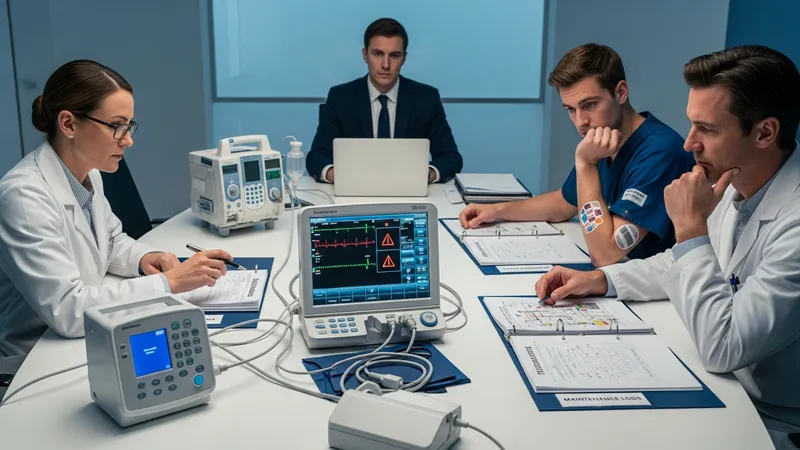
Quality assurance processes commonly include validation of manufacturer-supplied performance data and independent bench testing where feasible. For devices that affect critical care pathways, clinical validation studies or peer-reviewed literature may be reviewed to assess performance in similar environments. Procurement teams often request service records and maintenance logs for comparable units to estimate typical uptime and repair frequencies. These measures help to create a safety-focused picture rather than relying solely on promotional materials.
Interoperability and cybersecurity increasingly factor into safety assessments, particularly for networked monitors and imaging systems. Teams may verify compatibility with existing hospital networks, encryption standards, and user authentication protocols to reduce data integrity and privacy risks. Cybersecurity considerations may influence choices about software update policies and vendor responsibilities for patch management. Awareness of these elements supports safer long-term operation where digital integration is required.
Traceability and documentation are practical components of quality assurance that support ongoing device management. Maintaining records of calibration, preventive maintenance, and corrective actions can assist internal audits and regulatory inspections. Training materials and competency records for staff using the device also form part of the compliance narrative. Structured procedures for reporting and addressing adverse events are commonly established in parallel to device selection to ensure an organisational readiness for safe deployment.
Lifecycle cost considerations may extend beyond initial purchase price to include consumables, spare parts, calibration, and service contracts. Organisations often create a total cost of ownership estimate that accounts for typical consumable usage rates, estimated mean time between failures, and routine preventive maintenance intervals. These estimates may be adjusted based on experience with similar equipment, vendor transparency about parts pricing, and available in-house technical capability. Projected costs are commonly presented as ranges rather than precise figures to reflect variability.
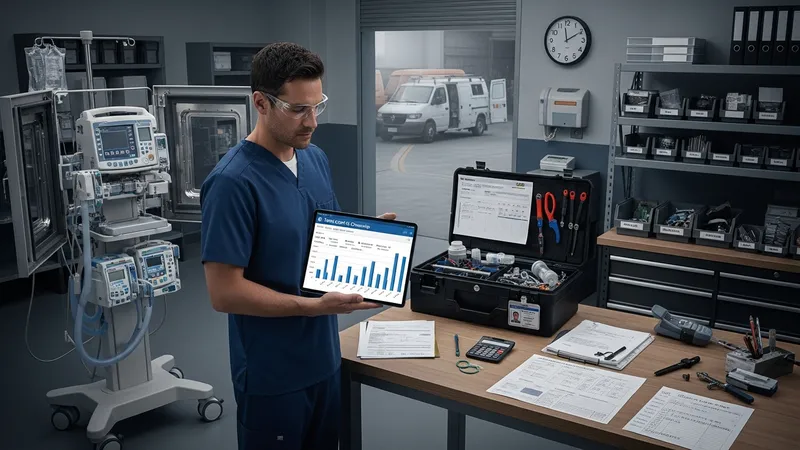
Maintenance planning frequently assesses whether technical support will be provided by the manufacturer, a third-party service provider, or internal biomedical engineering teams. Service response times, availability of certified technicians, and supply chain reliability for replacement components are practical factors that can affect downtime. Some facilities maintain critical spares in-house to reduce operational interruptions, especially for devices integral to acute care pathways. These strategies are evaluated in the context of acceptable risk tolerance for service interruptions.
Budgeting for upgrades and eventual replacement is often part of long-term asset management. Typical equipment lifecycles may vary by technology class and usage intensity, and organisations may set replacement cycles that reflect depreciation and technological obsolescence. Capital planning processes may incorporate scheduled refreshes or modular upgrades where devices allow component-level replacement. Documenting anticipated upgrade timelines can help align procurement schedules with broader fiscal planning.
Financial planning for devices may also consider bundled costs such as training, certifications, and integration work. Initial implementation may require staff training sessions, software configuration, or changes to clinical protocols, all of which carry time and resource implications. Including these items in budgetary estimates can provide a more realistic view of near-term operational impacts and help planners decide between alternatives with similar upfront costs but differing ancillary needs.
Integration with clinical information systems and existing hardware is a frequent determinant of whether a device functions effectively within an organisation. Interoperability standards, data export formats, and compatibility with electronic health record systems are technical elements often assessed prior to purchase. Implementation teams typically map data flows and identify any middleware or interface requirements to ensure that device data are accessible to clinicians and support staff in meaningful formats without introducing excessive manual work.
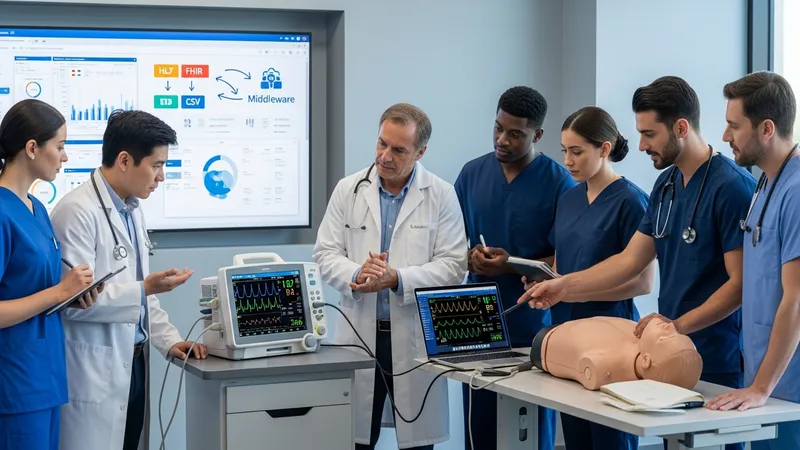
Training strategies are commonly tailored to device complexity and user roles. Clinicians, nursing staff, and technical personnel may each require different levels of instruction, and ongoing competency assessments may be planned. Training materials that include brief job aids, stepwise checklists, and scenario-based practice tend to support safer adoption. Organisations often consider whether on-site training is required or whether remote resources and digital modules can supplement hands-on practice for efficiency.
Procurement processes frequently include staged evaluation steps such as request for information, technical demonstrations, and pilot deployments. Cross-functional committees that combine clinical, technical, and procurement expertise may be used to evaluate bids against pre-defined criteria. Transparency in scoring and documentation of the rationale for choices can support accountability and provide a reference for future acquisitions. These steps help ensure that device selection aligns with institutional priorities and operational realities.
Post-procurement governance commonly defines roles for ongoing device oversight, including maintenance scheduling, incident reporting, and periodic re-evaluation of performance. Establishing clear responsibilities for lifecycle management and creating feedback loops for users to report issues support continuous improvement. Periodic review of device performance against initial expectations can inform future procurement cycles and foster a data-informed approach to updating clinical technology portfolios.