
In clinical operating rooms and procedural suites, a collection of manual tools and powered devices support the performance of invasive and minimally invasive tasks. These instruments include cutting and dissecting tools, grasping and clamping implements, retractors that expose surgical fields, and powered units that provide energy for coagulation or cutting. Design, material selection, and intended clinical use shape each instrument’s form and handling characteristics, and many items are made to be compatible with sterilization processes or single-use workflows.
These devices are organized by function and by the stage of a procedure in which they are used. Some are primarily tactile and operated by hand, while others integrate optics or electrical energy to assist with visualization or tissue modulation. Device selection in a clinical setting may account for factors such as precision, durability, sterilization method, and compatibility with other tools. This information-focused article outlines representative examples and examines practical considerations linked to these instruments.
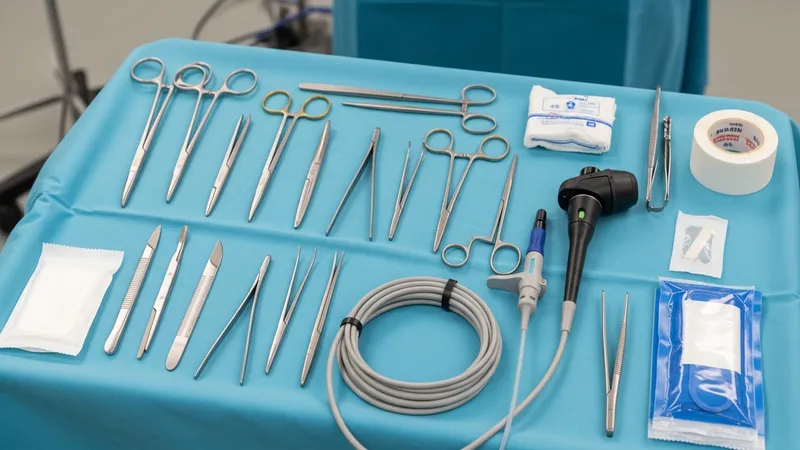
Materials and surface finishes commonly influence instrument performance and lifecycle. Stainless steel alloys are frequently used for durability and corrosion resistance, while polymers may appear in handles or single-use devices to reduce weight and manufacturing cost. Surface treatments such as passivation or electropolishing can reduce surface roughness and may make cleaning and sterilization more predictable. Manufacturers and clinical users often consider material trade-offs: metals for reusability and rigidity, polymers for disposability and reduced cross-contamination risk.
Sterilization and infection-control compatibility are fundamental considerations. Instruments intended for repeated use are often designed to tolerate autoclave temperatures and steam exposure, or alternative methods like low-temperature sterilization for heat-sensitive components. Single-use devices remove the need for reprocessing but add logistical and environmental considerations. Cleaning protocols, packaging approaches, and validation of sterilization cycles typically form part of facility policies and may influence selection and inventory practices.
Ergonomics and human factors design can affect intraoperative efficiency and operator fatigue. Handle size, weight distribution, and tactile feedback may vary among similar instrument types and can influence control during delicate maneuvers. In team settings, standardization of instrument layouts and clear labeling often helps reduce handling errors. Training and familiarity with instrument sets may reduce procedure time variability and support coordination between primary operators and assisting personnel.
Integration with visualization and energy-based systems is an increasing feature of many devices. Some instruments are designed to accept modular optics for magnification, while others interface with powered consoles for electrosurgery or ultrasonic cutting. Compatibility standards and connector types may vary, so facilities typically review interface requirements when combining devices from different sources. Such considerations may affect storage, maintenance, and equipment lifecycle planning.
In summary, the instruments used in operative and procedural settings encompass a range of manual and powered tools differentiated by function, materials, sterilization pathways, and ergonomic design. Selection and use are shaped by clinical needs, reprocessing capacity, and compatibility with other systems. The next sections examine practical components and considerations in more detail.
Classifying surgical instruments by functional category helps clarify their roles during procedures. Cutting instruments, grasping implements, exposure devices, and energy-delivering systems form broad groupings that may overlap in practice. For example, a device primarily used for exposure can also provide secondary retraction or integrated illumination. Categorization may assist in organizing instrument trays and in training staff on typical procedural sequences. Facilities often maintain standardized sets corresponding to common procedures so that team members can anticipate available instruments and their intended functions.
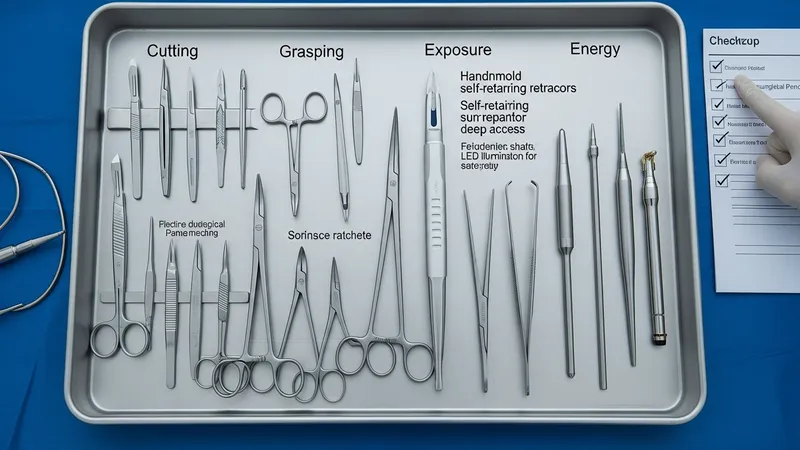
Within each category, variation in form factor addresses specific clinical needs. Cutting tools range from delicate scalpels for skin incisions to robust shears used in tissue trimming. Graspers and clamps may differ in tip geometry, jaw serration, and locking mechanisms to suit tissue types and surgical approaches. Exposure tools can be handheld or self-retaining and may be selected for access depth, stability, or minimal obstruction of the visual field. Recognizing these distinctions may aid in procedural planning and instrument selection.
Some instruments are designed for single use while others are reusable; this distinction often aligns with complexity, cost, and sterilization compatibility. Single-use items may reduce reprocessing workload and cross-contamination risk but contribute to consumable inventories. Reusable tools typically require validated cleaning and sterilization workflows and periodic inspection to ensure mechanical integrity. The decision framework for single-use versus reusable options often includes clinical frequency, sterilization capacity, and environmental or budget considerations.
Instrument modularity and compatibility also influence categorization. Modular handles, interchangeable tips, or standardized connectors for powered instruments can reduce the number of distinct items a facility needs to stock. Conversely, highly specialized instruments designed for niche procedures may be kept in dedicated specialty trays. Awareness of these organizational patterns can support logistics, staff training, and maintenance planning while keeping the focus on procedural requirements and safety.
Performance parameters for surgical instruments typically include precision, reliability, and repeatability of function. Precision relates to the instrument’s geometry and manufacturing tolerances and may affect how finely a surgeon can control tissue manipulation. Reliability covers consistent mechanical behavior over time, such as hinge action in scissors or locking strength in clamps. Repeatability refers to the ability to deliver the same functional outcome across multiple uses or across different units of the same model. Measurement and inspection protocols often form part of quality assurance for reusable instruments.
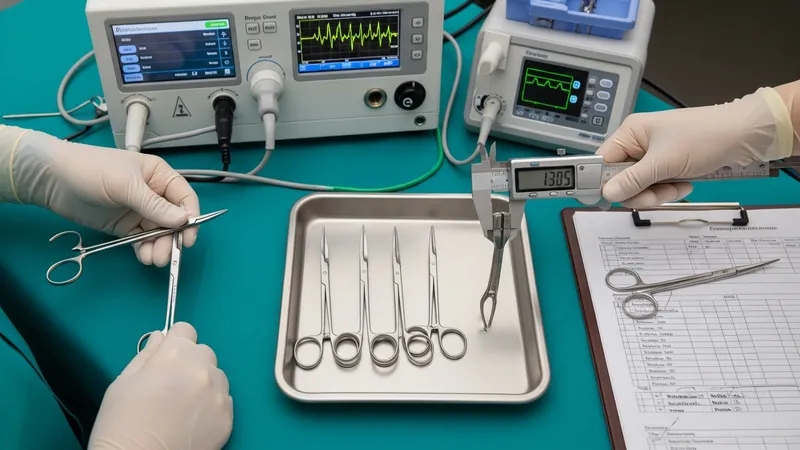
Powered devices introduce additional functional considerations such as energy output stability, compatibility with different electrodes or tips, and user-control ergonomics. Energy-delivering systems may provide settings for varying tissue effects; users typically adjust these settings while monitoring tissue response. Manufacturers and clinical teams often document recommended ranges and safety checks, but procedural teams remain responsible for verifying settings and maintaining logs as part of device management practices.
Precision instruments may require specific maintenance to preserve performance. Sharpening, alignment, and spring tension adjustments are common maintenance tasks for cutting and grasping tools. Reusable instruments that undergo repeated sterilization cycles can experience wear that alters functional characteristics over time. Regular inspection, repair, or replacement criteria are part of lifecycle management programs aimed at preserving instrument performance and reducing intraoperative variability.
Functional testing and validation are often applied prior to clinical use for complex or reusable items. Visual inspection, mechanical operation checks, and compatibility verifications with ancillary systems typically precede instrument tray assembly. Facilities may maintain checklists or standard operating procedures to ensure instruments meet functional expectations, and these protocols can support consistent performance during procedures.
Safety practices for surgical instruments address both infection control and mechanical integrity. Cleaning and decontamination steps remove biological material prior to sterilization, and validated sterilization cycles are chosen according to instrument materials and design. Mechanical safety checks—such as confirming that locking mechanisms engage properly and that cutting edges are free of chips—are commonly documented in maintenance procedures. These measures may reduce the likelihood of instrument-related complications and support predictable intraoperative behavior.
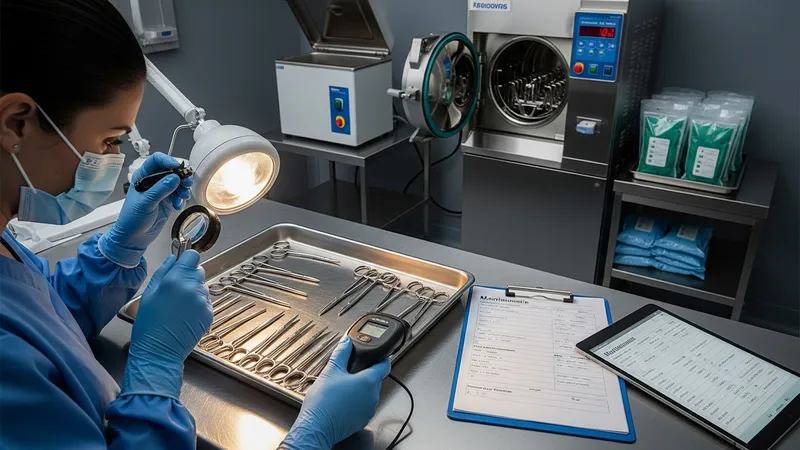
Tracking and traceability systems are increasingly used to monitor reusable instrument sets. Simple inventory tags or barcodes, and more advanced RFID systems, may help record sterilization cycles, repairs, and usage counts. Facilities often use such records to inform decisions about repair versus replacement and to ensure that instruments reaching end-of-life are retired before performance degrades. Traceability can also support incident investigations should a device-related issue arise.
Repair policies and access to qualified instrument technicians influence maintenance timelines and costs. Many institutions maintain agreements with specialized repair services or in-house biomedical teams for sharpening, refurbishment, and mechanical repair. Scheduling for routine maintenance and inspection is typically balanced against procedural demand to avoid shortages. Clear criteria for when an instrument should be removed from service often form part of governance to protect patient safety and staff confidence in instrument function.
User training contributes to safe instrument handling and longevity. Familiarity with correct assembly, disassembly, and handling techniques may reduce inadvertent damage. Training programs often include demonstrations of proper cleaning pathways, inspection points, and storage practices. Ongoing competency refreshers can help teams recognize early signs of wear and follow facility protocols for reporting and removing potentially compromised instruments.
Procurement considerations encompass the acquisition model, unit cost, and long-term operational expenses. Device pricing may reflect materials, complexity, and whether items are single-use or reusable. Procurement decisions often consider total cost of ownership, which includes purchase price, reprocessing costs, maintenance, and expected service life. Facilities typically evaluate supplier documentation on sterilization compatibility, warranty terms, and parts availability when considering new items for their inventories.
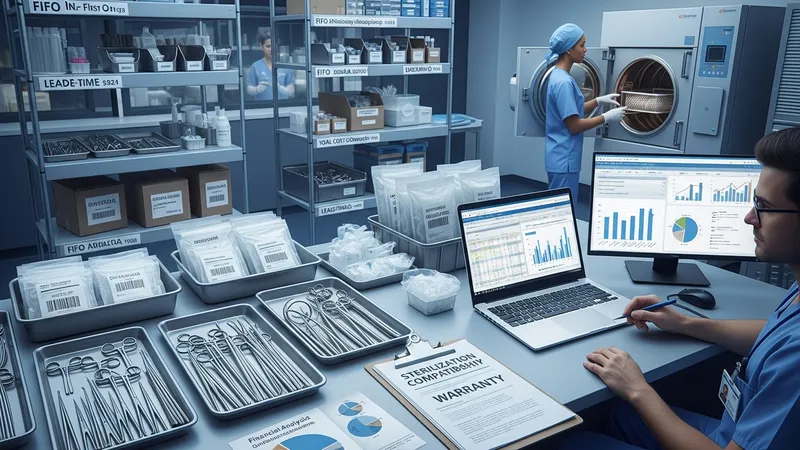
Inventory management strategies may influence procurement choices. Just-in-time stocking versus maintaining larger on-site inventories can affect lead times and storage requirements. Consumable rates for single-use instruments are examined alongside sterilization throughput for reusable items. Some organizations perform periodic usage analyses to align purchasing volumes with procedural demand, which may reduce excess stock while maintaining availability for scheduled and unscheduled procedures.
Standardization initiatives can shape purchasing patterns by reducing variability across surgical sets. Standardized instrument lists may simplify training, lower stocking complexity, and enable bulk procurement that could smooth acquisition costs. However, standardization efforts usually balance clinical preferences and procedural requirements to ensure that necessary functionality remains available for diverse surgical cases.
Regulatory and quality documentation may affect procurement timelines and vendor selection. Facilities commonly request Certificates of Conformity, sterilization validation details, and maintenance instructions from suppliers to support internal risk assessments. Decision-makers typically weigh these documents alongside clinical feedback and operational constraints to determine whether an instrument aligns with institutional practices and long-term equipment management plans.