
Microfluidic protein purification refers to a technique that employs microscale fluid channels and devices to separate and analyze proteins from complex mixtures. These systems allow for manipulation of small fluid volumes, often at microliter or nanoliter scales, offering potentially efficient protein isolation with integration of various analytical methods. The principles involved typically relate to physical and chemical properties of proteins and the microfluidic environment, including fluid dynamics, surface chemistry, and selective interactions within the device’s channels and separation modules.
In the context of microfluidic protein purification, workflow insights focus on the systematic sequence of processes within laboratory setups that incorporate these microscale devices. This workflow commonly comprises sample loading, protein separation through mechanisms like electrophoresis or affinity capture, and downstream analysis such as detection or characterization. The design of microfluidic devices, alongside the choice of separation techniques, contributes critically to establishing reproducible protocols that align with protein properties and the intended analytical applications.
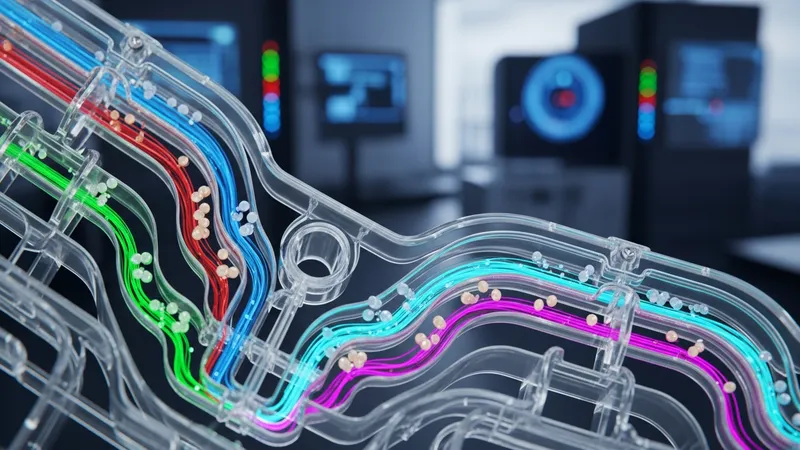
Each of these approaches exemplifies common principles underlying microfluidic protein purification. Pressure-driven chromatography in microfluidic chips often replicates established macroscale methods but on a reduced volume and faster timescale. Electrophoretic separations rely on known protein charge properties and may integrate visualization through optical detectors embedded within microdevices. Affinity methods adapt biochemical specificity into microscale environments, which may require tailored surface chemistries to maintain binding efficiency within fluidic constraints.
Workflow insights highlight steps including sample injection precision, flow control within microchannels, and managing potential adsorption or protein denaturation risks due to microscale confinement. Quality control and reproducibility are also essential considerations, often addressed through calibrated fluidic actuation and standardization of device fabrication methods. Understanding these elements provides analytical laboratories with structured guidelines for adopting microfluidic purification techniques within research or diagnostic frameworks.
Operational parameters in microfluidic protein purification generally depend on device design and separation principles. Variables such as channel dimensions, surface coatings, flow rates, and electrical field strengths can be optimized to improve separation resolution and throughput. Moreover, integrating detection methods like fluorescence or mass spectrometry directly in these platforms is sometimes possible, offering opportunities for multiparametric protein analysis within streamlined workflows.
Microfluidic protein purification is often characterized by its potential to reduce reagent consumption and shorten processing times compared to traditional bench-top methods. However, the effectiveness of these systems typically depends on careful coordination of device design and protocol parameters to suit specific protein targets and analytical goals. As such, an informed understanding of separation mechanisms and workflow requirements is essential for interpreting results and identifying appropriate applications.
In summary, microfluidic protein purification involves miniaturized systems that apply physicochemical principles to isolate and analyze proteins using controlled microenvironments. The combination of device architecture and workflow strategies can influence purification performance, analytical integration, and operational considerations. The next sections examine practical components and considerations in more detail.
Microfluidic devices for protein purification incorporate specific design elements aimed at controlling fluid behavior and facilitating targeted separation. Channel geometries, such as width, depth, and length, typically influence fluid dynamics and interaction time between proteins and functional surfaces. Additionally, materials used for fabrication—commonly polymers, glass, or silicon—can affect surface properties relevant to protein adsorption and nonspecific binding within microscale channels.
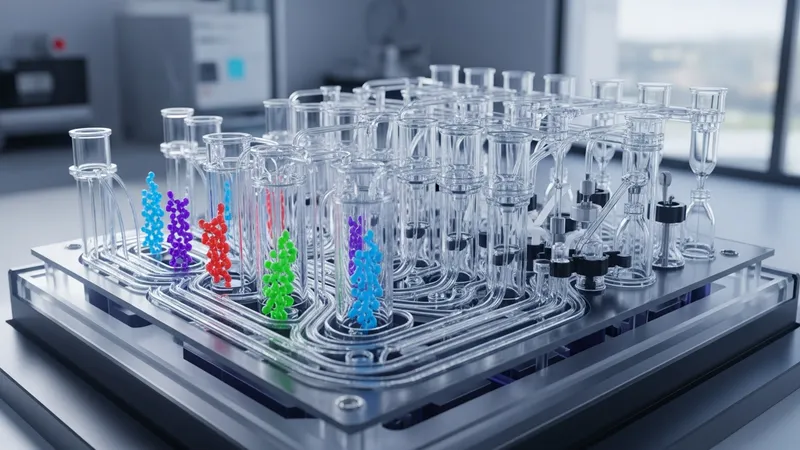
Surface functionalization inside microfluidic channels is often employed to optimize protein capture or reduce nonspecific interactions. This may involve coating channel walls with hydrophilic polymers, affinity ligands, or other chemistries tailored to the protein type. The overall device architecture can include integrated components like mixers, valves, and reservoirs that support precise sample handling, increasing workflow versatility and reducing external intervention.
In Mexico, the development and use of microfluidic purification devices are aligned with regional research activities in academic and industrial laboratories. Institutions such as Universidad Nacional Autónoma de México (UNAM) have investigated materials and microfabrication techniques relevant to device optimization. Local fabrication facilities may utilize photolithography, soft lithography, or other microfabrication approaches suitable for producing prototypes with controlled channel dimensions.
Typically, device design must balance performance characteristics such as separation resolution and throughput with practical considerations including ease of fabrication and cost. Smaller features may offer improved separation efficiency but could introduce challenges related to clogging or protein stability. Devising strategies to mitigate these factors informs ongoing development and adaptation of microfluidic protein purification devices in laboratory settings.
Separation methods adapted for microfluidic protein purification often derive from classical chromatographic and electrophoretic principles but are scaled down to suit microsystems. Pressure-driven chromatography frequently relies on miniature packed or monolithic stationary phases located within microchannels to separate proteins based on chemical affinities or size exclusion. The reduced scale facilitates rapid separations with small sample volumes.
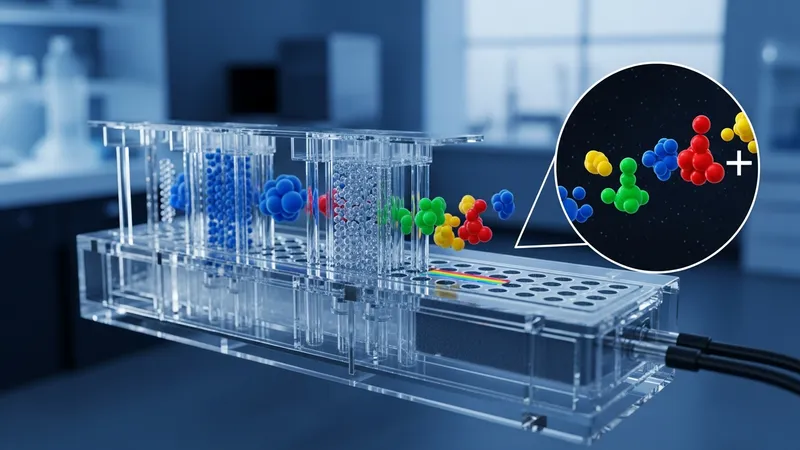
Electrophoretic techniques in microfluidics utilize electric fields established between electrodes embedded at channel ends, enabling proteins’ migration according to their charge and size. Microchip capillary electrophoresis variants can provide high resolution with rapid analysis times. Appropriate buffer systems and controlled voltages are essential to maintain protein integrity during separation procedures.
Affinity-based separations implement immobilized molecules such as antibodies, aptamers, or ligands that selectively interact with target proteins. Incorporation of these capture agents within microchannels adds specificity, which can be critical when working with complex mixtures. Magnetic beads functionalized with selective ligands are also sometimes integrated in microfluidic setups to assist in protein isolation processes.
Regions specializing in biotechnology within Mexico have reported varied applications of these separation techniques. Work by local research centers may focus on tailoring affinity ligands compatible with proteins prevalent in regional research contexts or optimizing electrophoretic conditions for specific native proteins. These advances contribute to a growing repository of methodological knowledge adapted for local analytical laboratories.
Integrating microfluidic protein purification into laboratory workflows requires considering sample preparation, device handling, and downstream analytical processes. Samples are generally introduced into microfluidic chips via controlled injection mechanisms, ensuring appropriate volume and concentration levels for reliable separation. Maintaining protein stability during transfer and processing is a typical concern addressed through buffer composition and temperature control.
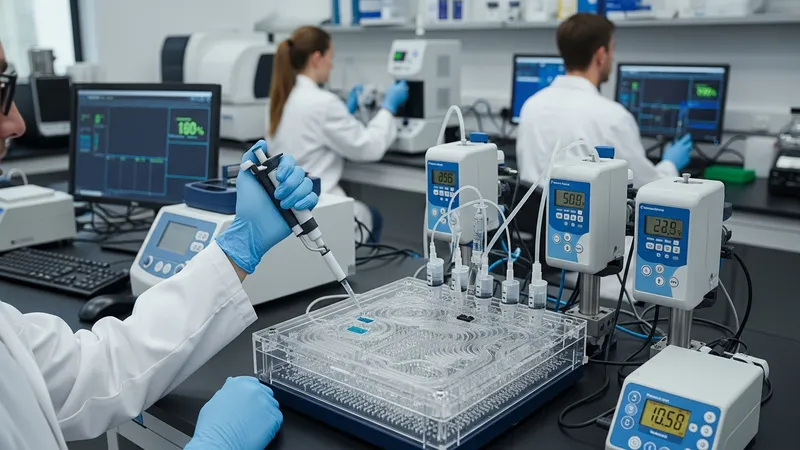
Flow control within devices may be implemented using syringe pumps, pressure controllers, or electrokinetic forces depending on the chosen separation technique. Accurate regulation is crucial to achieving reproducible results and preventing issues such as channel clogging or sample dilution. Operators often emphasize calibration routines and routine monitoring of flow rates during the purification runs.
Following purification, collected protein fractions frequently undergo further analysis using established methods like mass spectrometry, western blotting, or activity assays. Some microfluidic platforms incorporate inline detection sensors that provide real-time monitoring of protein elution, facilitating continuous quality assessment within the workflow.
Research institutions and biotechnology companies within Mexico sometimes integrate these microfluidic purification steps into broader proteomics or diagnostic workflows. Typical protocols adapt to the scale and throughput required, with an emphasis on maintaining analytical rigor and repeatability. This integration aspect is vital to establishing microfluidic methods alongside conventional laboratory practices.
Analytical factors influencing microfluidic protein purification encompass channel surface chemistry, flow dynamics, and detection sensitivity. The choice of materials and coatings can affect protein recovery and purity by influencing adsorption and retention within microchannels. Optimization may involve selecting hydrophilic surfaces or employing blocking agents to reduce nonspecific interactions.
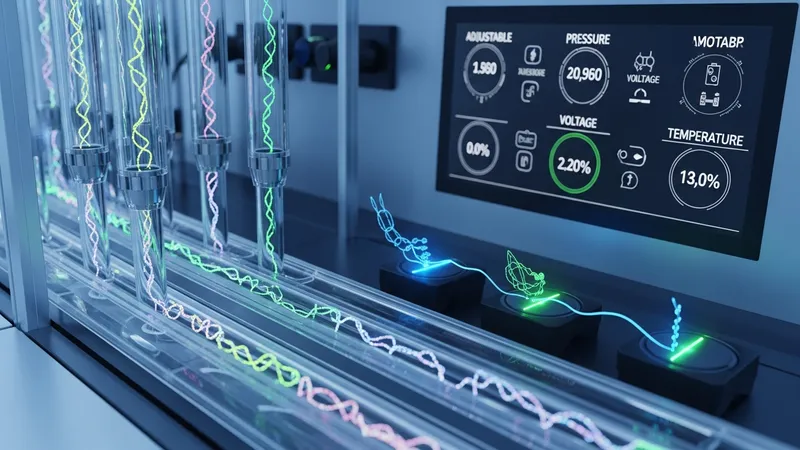
Operational parameters such as applied pressure or voltage, temperature, and buffer ionic strength often modulate separation efficiency and protein stability. Managing these factors carefully enables consistent performance across runs. Additionally, the small scale of microfluidic systems may require adaptations in sample concentration to stay within detection limits of analytical instruments.
Cost considerations for microfluidic purification devices in Mexico include materials, fabrication methods, and consumables. While devices designed for reuse may reduce per-run expenses, chip replacement or surface functionalization adds to operational costs. Balancing these aspects with analytical requirements supports informed decision-making in laboratory resource allocation.
Overall, these analytical and operational insights contribute to a nuanced understanding of microfluidic protein purification systems. Continuous developments in microfabrication and detection technologies are expected to further enhance capabilities, while considerations specific to regional contexts may influence adoption and optimization strategies.