
Modern luxury living that integrates smart home technology and comfort describes residences where automated systems, connected devices, and design converge to support convenience, environmental control, and daily routines. In this approach, lighting, climate systems, shading, audiovisual setups, and access controls are coordinated through centralized platforms or interoperable devices. The aim is to create living environments that adapt to occupant preferences while maintaining functional comfort; outcomes may include more consistent indoor conditions, streamlined household tasks, and simplified device management.
Implementation typically involves a mix of hardware, software, and services: sensors, actuators, control panels, mobile or voice interfaces, and connectivity infrastructure. Integration strategies can range from modular upgrades of single systems to comprehensive installations that link multiple domains (lighting, HVAC, security, energy). In Belgium, local suppliers, network operators, and installers often provide solutions tailored to regional building codes, electricity networks, and consumer support channels.
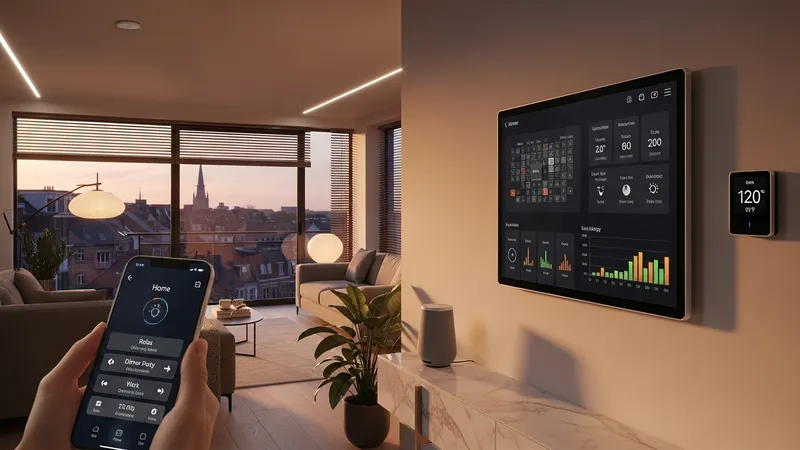
Integration and interoperability are central technical considerations. Systems may use wired (e.g., KNX) or wireless protocols (Zigbee, Z-Wave, Wi‑Fi), and compatibility across protocols can affect how easily lighting, climate, and security components operate together. In Belgian practice, KNX and IP-based integrations are commonly used in higher-spec homes, while consumer-level wireless devices may serve retrofit projects. The chosen architecture may influence latency, reliability, and future expandability; homeowners and designers in Belgium often weigh these factors against local installer experience and component availability.
User experience and accessibility shape perceived comfort. Interfaces that allow scheduled scenes, geofencing, or voice input can simplify routine adjustments, while manual overrides remain important for immediate control. In Belgian dwellings, multilingual interface support may be relevant, and installers commonly configure defaults that reflect seasonal heating and daylight patterns typical to the region. Accessibility considerations also include clear labelling, physical switch placement, and fallback methods in case of connectivity loss.
Security and data protection are recurring considerations when personal devices and sensors collect occupancy, energy use, or camera footage. Belgian data protection rules and guidance from the Belgian Data Protection Authority may apply to systems that process personal data. Practically, consumers and designers in Belgium may select devices with local data routing options, update procedures, and configurable privacy settings to align with regional expectations about data retention and access.
Costs and project scope can vary widely, typically influenced by the number of controlled zones, the mix of wired versus wireless components, integration complexity, and custom cabinetry or wiring work. In Belgium, modest smart lighting retrofits might often range from around €200 to €1,000 for limited zones, while comprehensive whole-house automation installations may commonly range from several thousand to tens of thousands of euros depending on customization. These figures are indicative and may change based on product choices and local labour rates.
In summary, integrating smart home technology into modern luxury living is a multidisciplinary practice that combines hardware, software, design, and local services to create adaptable, comfortable interiors. In Belgium, projects typically consider regional suppliers, regulatory guidance, and installer expertise when defining scope and budgets. The next sections examine practical components and considerations in more detail.
A practical breakdown of device types helps clarify integration needs. Lighting controllers and dimmers, shading actuators for blinds and curtains, thermostatic or smart HVAC controllers, occupancy and ambient sensors, security cameras and access control devices, and energy monitors are common categories. In Belgian installations, KNX-based lighting and shading controls are frequently specified for new builds, while wireless modules are often used in retrofit contexts. Designers may map control zones to living areas, service rooms, and façades to reflect daylight patterns and typical use cases in Belgian homes.
Interoperability choices affect system topology. An IP-centric approach can centralize device management on a home server or cloud service, whereas protocol-specific hubs may bridge devices using Zigbee, Z‑Wave, or KNX. In Belgium, installers sometimes use KNX gateways to link traditional wired automation with IP services supplied by operators such as Proximus or local integrators. Network resilience, such as segregating control networks from general Wi‑Fi, is often considered to reduce interference and improve reliability.
Audio-visual distribution and scene management are typical luxury features that interact with comfort systems. Scene-based triggers can set coordinated lighting, shading, and climate states for activities like dining, cinema, or sleeping. Belgian homes with constrained bandwidth or privacy preferences may store scene logic locally rather than relying solely on cloud platforms. When specifying multiroom AV in Belgium, integrators typically account for cabling paths, wall-surface finishes, and regional product availability.
Device lifecycle and modularity considerations are relevant for long-term comfort. Selecting components that are widely supported in Belgium, that allow firmware updates, and that can be serviced by local technicians may reduce replacement friction. Consumers and designers in Belgium often request documentation on spare-part sources and preferred installer networks so upgrades or repairs can proceed with known local channels rather than requiring cross-border support.
Security measures in integrated homes span physical access control, intrusion detection, and digital protections for device ecosystems. Belgian homeowners and integrators commonly evaluate camera placement, encryption support for device communications, and multi-factor authentication for remote access. The Belgian Data Protection Authority provides guidance relevant to handling personal data collected by cameras or occupancy sensors; installers may advise on retention periods and consent for shared living spaces.
Network security practices may include segregating IoT devices on separate VLANs, keeping routers and devices updated, and using strong credentials. Belgian internet service providers sometimes offer managed security or device support as part of their home packages; for example, local operators like Telenet and Proximus list residential connectivity and adjunct services that can interact with smart-home deployments. These services may influence how remote monitoring and maintenance are arranged.
Regulatory and insurance practices may also affect system design. In Belgium, specific installation requirements for electrical work and fixed wiring typically fall under regional building regulations and professional electrician standards. When security installations involve external cameras or recording in public spaces, privacy and signage rules can apply. Homeowners commonly consult with local installers and insurers to align systems with both legal and coverage expectations.
Data governance and user consent are practical concerns for communal living or properties with staff. Clear configuration of who can access logs, camera feeds, or control panels is often implemented via role-based accounts and audit logs. Belgian-based consumer organisations such as Test-Aankoop may publish guidance on privacy-conscious device selection that stakeholders use when evaluating tradeoffs between convenience and data exposure.
Budgeting for integrated systems usually separates equipment, installation labour, and commissioning. In Belgium, basic retrofit kits for lighting or individual smart thermostats may commonly cost a few hundred euros for components, whereas full rewiring and integrated control panels for new construction can add several thousand euros in materials and skilled labour. Typical regional labour rates and permit requirements may influence total project costs, and homeowners may obtain multiple local quotes to compare scope and service levels.
Customization levels strongly affect schedules and complexity. Custom cabinetry, motorised shades fitted to specific window geometries, and bespoke control surfaces increase design and installation time. Belgian integrators frequently coordinate with architects and electrical contractors to align conduit runs, switch locations, and cabinet spaces during planning phases. Projects that include European-standard wiring like KNX tend to require early-stage design decisions to accommodate bus wiring in walls.
Maintenance and service contracts may be arranged on a local basis. Belgium-based providers sometimes offer post-installation support, firmware management, and seasonal recalibrations for HVAC and shading. When choosing service arrangements, Belgian consumers often consider proximity of certified technicians, scope of included tasks, and whether spare parts are sourced within Belgium or imported, which can affect lead times for repairs.
Financing and incremental upgrade strategies are common practical approaches. Some households in Belgium phase installations by starting with lighting and security and later adding climate or energy-management modules. This staged method can spread costs over time and allow occupants to evaluate which automations most effectively enhance comfort. Budget estimates should typically include contingencies for unforeseen wiring or mounting work encountered during installation.
Operational routines for integrated homes include scheduled inspections, firmware updates, and seasonal recalibrations. Energy-management devices and strategies can influence operational costs and comfort patterns. Belgian energy-monitoring systems, such as those from Smappee, may provide consumption breakdowns that inform HVAC or EV charging schedules. Users in Belgium often align schedules with local electricity tariffs and grid conditions, which can affect when appliances or storage systems are operated for cost or carbon considerations.
Preventive maintenance may address actuator wear, sensor drift, and control-network health. Belgian installers sometimes recommend annual checks for motorised shading, battery replacement schedules for wireless sensors, and thermal balancing for HVAC systems. Maintaining device documentation and firmware change logs can aid troubleshooting and ensure compatibility when adding new devices to an existing Belgian-installed system.
Energy and sustainability considerations can be integrated with comfort strategies. Monitoring-supported control can reduce unnecessary heating or cooling in unoccupied rooms, and shading automation may mitigate solar gains during summer months. In Belgium, coordination with local grid operators such as Fluvius may be relevant for homes with rooftop photovoltaics and export limits, and installers typically consider feed-in rules when specifying inverter and storage interactions.
Long-term adaptability is often planned by using modular platforms and open standards where feasible. Belgian homeowners may prioritise solutions that allow component replacement without whole-system replacement, and local installer networks can support incremental changes. Documentation of wiring, scene configurations, and user accounts is typically retained to simplify future maintenance or upgrades in the Belgian context.